1 hour agoBusiness
29LENS
2 SourcesJapan
 thebalanced.news
Bank of Japan Considers Interest Rate Hikes Amid Inflation and Economic Shifts
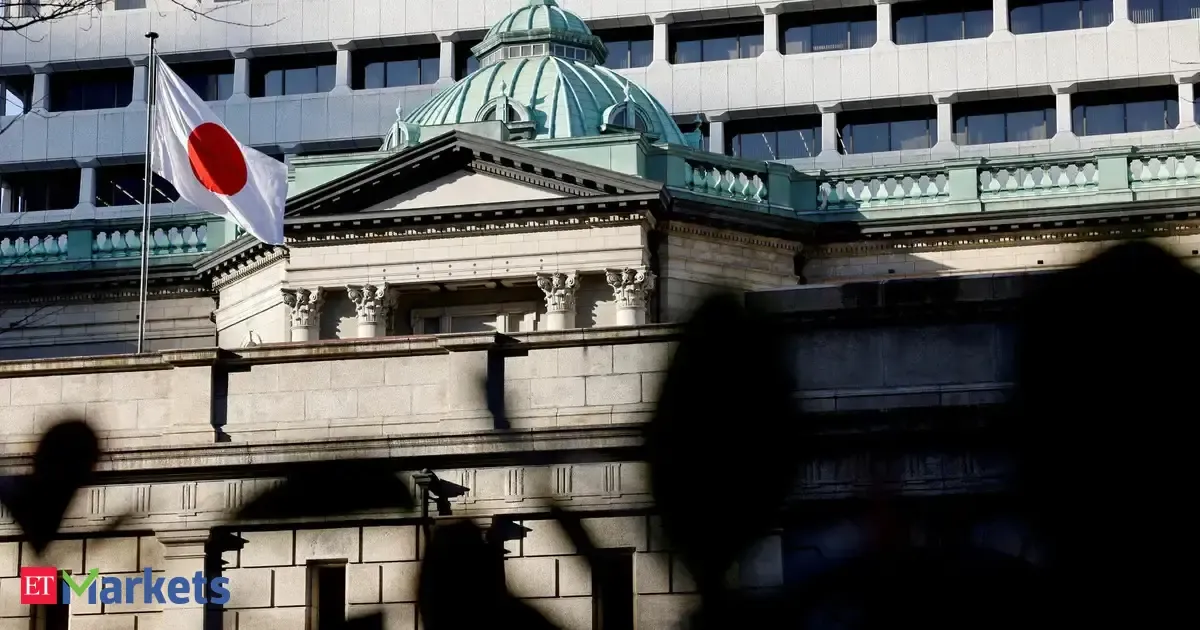
Japan's central bank is facing increasing pressure to raise interest rates amid rising inflation concerns fueled by surging oil prices linked to the Iran conflict. Some policymakers suggest a rate hike as early as June, signaling a shift from the long-standing low-rate policy. The OECD projects the benchmark rate could reach 2% by 2027, reflecting stronger domestic demand and wage growth. Despite geopolitical uncertainties, the BOJ is expected to adopt a tighter monetary stance to address inflation risks and support economic transition.
Political Bias
0%100%0%
Sentiment
60%
AI Analysis
Political bias across 2 sources
● Left 0%● Center 100%● Right 0%
The articles primarily present economic and policy perspectives without partisan framing. They include viewpoints from the Bank of Japan policymakers and the OECD, focusing on monetary policy decisions and economic forecasts. The coverage emphasizes technical assessments and institutional outlooks, avoiding political commentary or ideological bias.
Sentiment — Neutral (60/100)
The tone across the articles is neutral to cautiously optimistic, highlighting concerns about inflation and geopolitical risks while noting positive economic indicators like wage growth and domestic demand. The sentiment balances the challenges posed by external shocks with confidence in Japan's economic resilience and policy responses.
How 2 sources covered this story
Each source's own headline, political lean, and sentiment — so you can see framing differences at a glance.
| Source | Their headline | Bias | Sentiment |
|---|---|---|---|
| economictimes | Global Market: OECD sees Bank of Japan raising rates to 2 by 2027 amid inflation shift | Center | Neutral |
| economictimes | Global Market: Bank of Japan turns increasingly hawkish as oil shock fuels inflation concerns | Center | Neutral |
Coverage timeline
economictimes broke this story on 12 May, 05:07 am. Other outlets followed.
- 1economictimes12 May, 05:07 amGlobal Market: Bank of Japan turns increasingly hawkish as oil shock fuels inflation concerns
- 2economictimes13 May, 04:10 amGlobal Market: OECD sees Bank of Japan raising rates to 2 by 2027 amid inflation shift
Lens Score breakdown
29/100
Public interest0/100
Coverage gap100%
Well-covered story — coverage matches public importance.
Story context
- Category
- Business
- Location
- Japan
- Sources analysed
- 2
- Last analysed
- 13 May 2026
- Key entities
- Bank of JapanInflationCentral bankJapanInterest rateMonetary policyEconomy of JapanGovernment of JapanStimulus (economics)CommodityReutersPrice of oil
Related Coverage
Select a news story to see related coverage from other media outlets.