44 minutes agoBusiness
30LENS
3 SourcesBangladesh
 thebalanced.news
Bangladesh Raises Fuel Prices Amid Rising Global Oil Costs and West Asia Conflict
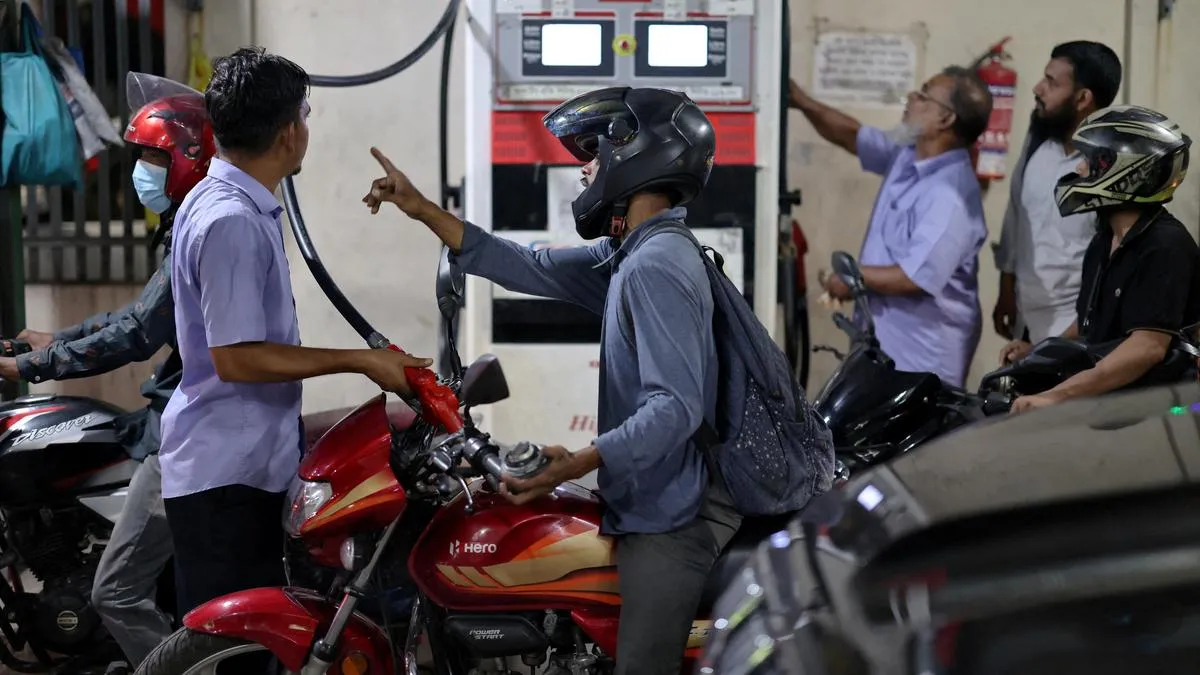
Bangladesh has increased retail fuel prices by 10 to 15 percent due to rising global crude oil costs and supply constraints linked to the ongoing conflict in West Asia, particularly the Iran war. Petrol now costs 135 taka per litre, up from 116 taka, with diesel and kerosene prices also raised. The government attributes the hike to higher import expenses, supply disruptions, and increased freight costs, which are expected to intensify inflation and strain foreign exchange reserves amid fuel shortages and panic buying.
Political Bias
0%100%0%
Sentiment
35%
AI Analysis
Political bias across 3 sources
● Left 0%● Center 100%● Right 0%
The articles present a primarily economic and administrative perspective, focusing on government explanations for the fuel price increase without partisan framing. They include official statements and contextualize the impact on Bangladesh's economy and consumers, reflecting a neutral stance without political critique or opposition viewpoints.
Sentiment — Neutral (35/100)
The tone across the articles is largely neutral to cautious, emphasizing the necessity of the price hike due to external factors and its potential inflationary effects. While acknowledging challenges like fuel shortages and economic pressures, the coverage avoids emotive language, maintaining an informative and measured sentiment.
How 3 sources covered this story
Each source's own headline, political lean, and sentiment — so you can see framing differences at a glance.
| Source | Their headline | Bias | Sentiment |
|---|---|---|---|
| httpswwwoutlookindiacom | Bangladesh Hikes Fuel Prices By 10-16 as Iran War In West Asia Drives Up Global Oil Costs Outlook India | Center | Negative |
| thehindu | Bangladesh raises fuel prices as conflict in West Asia drives up costs | Center | Neutral |
| economictimes | Bangladesh raises fuel prices as Iran war drives up costs | Center | Neutral |
Coverage timeline
economictimes broke this story on 19 Apr, 01:58 am. Other outlets followed.
- 1economictimes19 Apr, 01:58 amBangladesh raises fuel prices as Iran war drives up costs
- 2thehindu19 Apr, 03:22 amBangladesh raises fuel prices as conflict in West Asia drives up costs
- 3httpswwwoutlookindiacom19 Apr, 04:11 amBangladesh Hikes Fuel Prices By 10-16 as Iran War In West Asia Drives Up Global Oil Costs Outlook India
Lens Score breakdown
30/100
Public interest0/100
Coverage gap100%
Well-covered story — coverage matches public importance.
Who's involved
Institutions and figures named across source coverage.
Government
Bangladesh Energy MinistryEnergy Ministry of Bangladesh
Story context
- Category
- Business
- Location
- Bangladesh
- Sources analysed
- 3
- Last analysed
- 19 Apr 2026
- Key entities
- BangladeshPrice of oilBangladeshi takaWestern AsiaKeroseneDiesel fuelGasolineMiddle EastIranDhakaForeign exchange reservesSupply chain
Related Coverage
Select a news story to see related coverage from other media outlets.