2 hours agoBusiness
25LENS
3 SourcesIran
 thebalanced.news
Gold Prices Steady Amid U.S.-Iran Tensions and Inflation Concerns
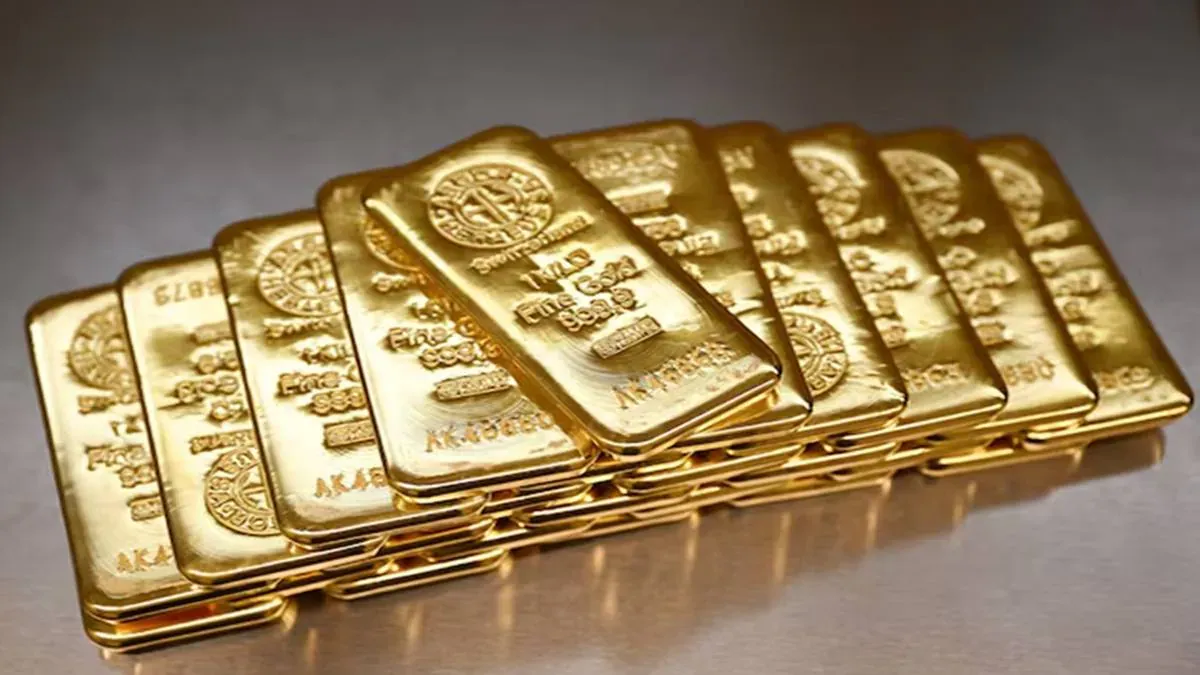
Gold prices have remained relatively steady around 4,800 per ounce despite escalating tensions in the Middle East, including renewed U.S.-Iran conflicts and the closure of the Strait of Hormuz. While geopolitical risks have pushed oil prices higher, contributing to inflation concerns, gold has declined nearly 10% since the Iran war began. Traders are closely watching upcoming U.S.-Iran peace talks and Federal Reserve developments, which could influence gold's trajectory amid inflation and interest rate uncertainties.
Political Bias
0%100%0%
Sentiment
43%
AI Analysis
Political bias across 3 sources
● Left 0%● Center 100%● Right 0%
The articles present multiple perspectives including U.S. and Iranian actions in the Middle East, statements from political leaders, and economic implications without favoring any side. Coverage includes official U.S. positions, Iranian responses, and market reactions, reflecting a balanced view of geopolitical and economic factors influencing gold prices.
Sentiment — Neutral (43/100)
The overall tone is cautious and neutral, highlighting market uncertainty and mixed signals. While geopolitical tensions and inflation fears create pressure, the coverage avoids sensationalism, focusing on factual developments and their potential impact on gold and oil markets.
How 3 sources covered this story
Each source's own headline, political lean, and sentiment — so you can see framing differences at a glance.
| Source | Their headline | Bias | Sentiment |
|---|---|---|---|
| mint | Gold Steadies as Traders Weigh Next Round of US-Iran Peace Talks Stock Market News | Center | Neutral |
| thefinancialexpress | 5 reasons gold is stuck around 4,800 despite the Iran war and rising oil prices | Center | Neutral |
| thehindu | Gold falls on stronger dollar amid renewed U.S.-Iran tensions | Center | Neutral |
Coverage timeline
thehindu broke this story on 20 Apr, 06:07 am. Other outlets followed.
- 1thehindu20 Apr, 06:07 amGold falls on stronger dollar amid renewed U.S.-Iran tensions
- 2thefinancialexpress20 Apr, 01:13 pm5 reasons gold is stuck around 4,800 despite the Iran war and rising oil prices
- 3mint20 Apr, 10:49 pmGold Steadies as Traders Weigh Next Round of US-Iran Peace Talks Stock Market News
Lens Score breakdown
25/100
Public interest0/100
Coverage gap90%
Well-covered story — coverage matches public importance.
Story context
- Category
- Business
- Location
- Iran
- Sources analysed
- 3
- Last analysed
- 20 Apr 2026
- Key entities
- Price of oilGoldInflationMiddle EastIranDonald TrumpFutures contractPakistanInterest rateStrait of HormuzGeopoliticsSupply shock
Related Coverage
Select a news story to see related coverage from other media outlets.