1 hour agoBusiness
29LENS
2 SourcesIndia
 thebalanced.news
Iran Conflict Disrupts Strait of Hormuz Shipping, Impacting Global Supply Chains and Costs
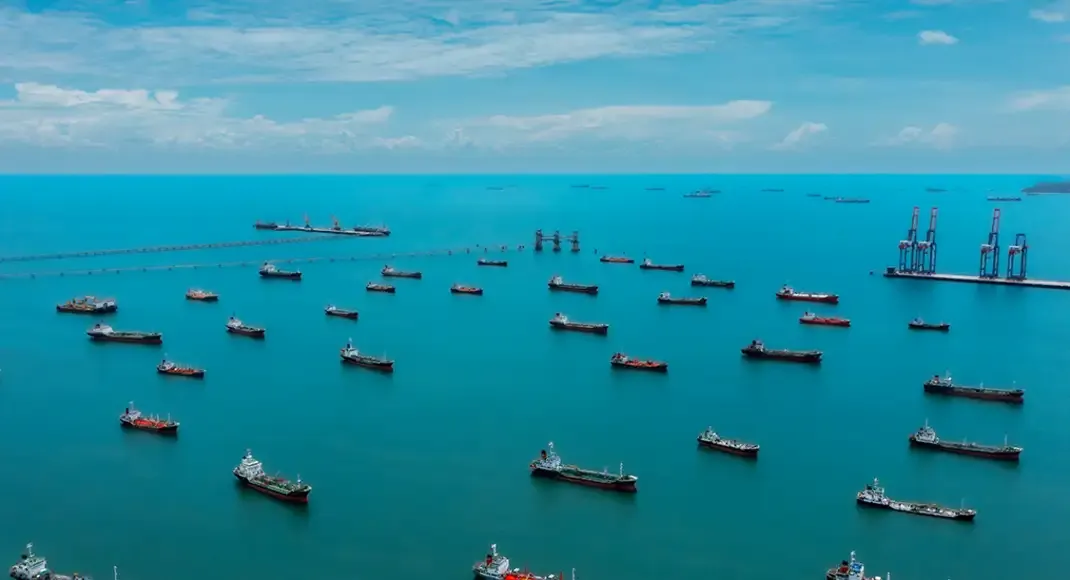
The ongoing conflict involving Iran has disrupted shipping through the Strait of Hormuz, a vital maritime chokepoint, causing delays for nearly 80 vessels, including many bound for India. This disruption affects global supply chains by increasing fuel costs, particularly for bunker fuel used by cargo ships. As shipping expenses rise, these costs may be passed on to importers and consumers, potentially leading to higher prices for imported goods in countries reliant on maritime trade like India.
Political Bias
0%100%0%
Sentiment
35%
AI Analysis
Political bias across 2 sources
● Left 0%● Center 100%● Right 0%
The articles present a primarily economic and logistical perspective on the Iran conflict's impact, focusing on trade and supply chain disruptions without attributing blame or political judgment. They highlight concerns from trade and shipping sectors and emphasize the effects on consumers, particularly in India, reflecting a neutral stance centered on factual reporting of consequences rather than political analysis.
Sentiment — Neutral (35/100)
The overall tone across the articles is cautionary and concerned, emphasizing the negative economic and logistical impacts of the conflict on shipping and consumer costs. While not alarmist, the coverage underscores challenges and potential price increases, conveying a predominantly negative sentiment regarding the disruption's effects on trade and everyday consumers.
How 2 sources covered this story
Each source's own headline, political lean, and sentiment — so you can see framing differences at a glance.
| Source | Their headline | Bias | Sentiment |
|---|---|---|---|
| economictimes | Iran war impact: Oil prices may be just one among many to pinch you | Center | Neutral |
| news18 | Why Your Online Orders And Imported Goods Could Get Costlier Soon | Center | Neutral |
Coverage timeline
news18 broke this story on 12 May, 04:40 pm. Other outlets followed.
- 1news1812 May, 04:40 pmWhy Your Online Orders And Imported Goods Could Get Costlier Soon
- 2economictimes12 May, 10:43 pmIran war impact: Oil prices may be just one among many to pinch you
Lens Score breakdown
29/100
Public interest0/100
Coverage gap100%
Well-covered story — coverage matches public importance.
Who's involved
Institutions and figures named across source coverage.
Corporate
Kpler
Story context
- Category
- Business
- Location
- India
- Sources analysed
- 2
- Last analysed
- 12 May 2026
- Key entities
- Strait of HormuzIndiaContainer shipFuel oilPetroleumMaritime transportCargo shipIranCooking oilSupply chainWestern AsiaInternational trade
Related Coverage
Select a news story to see related coverage from other media outlets.