1 hour agoBusiness
37LENS
2 SourcesDubai, United Arab Emirates
 thebalanced.news
West Asia Conflict Impacts Luxury Brands as Gulf Tourism and Demand Decline
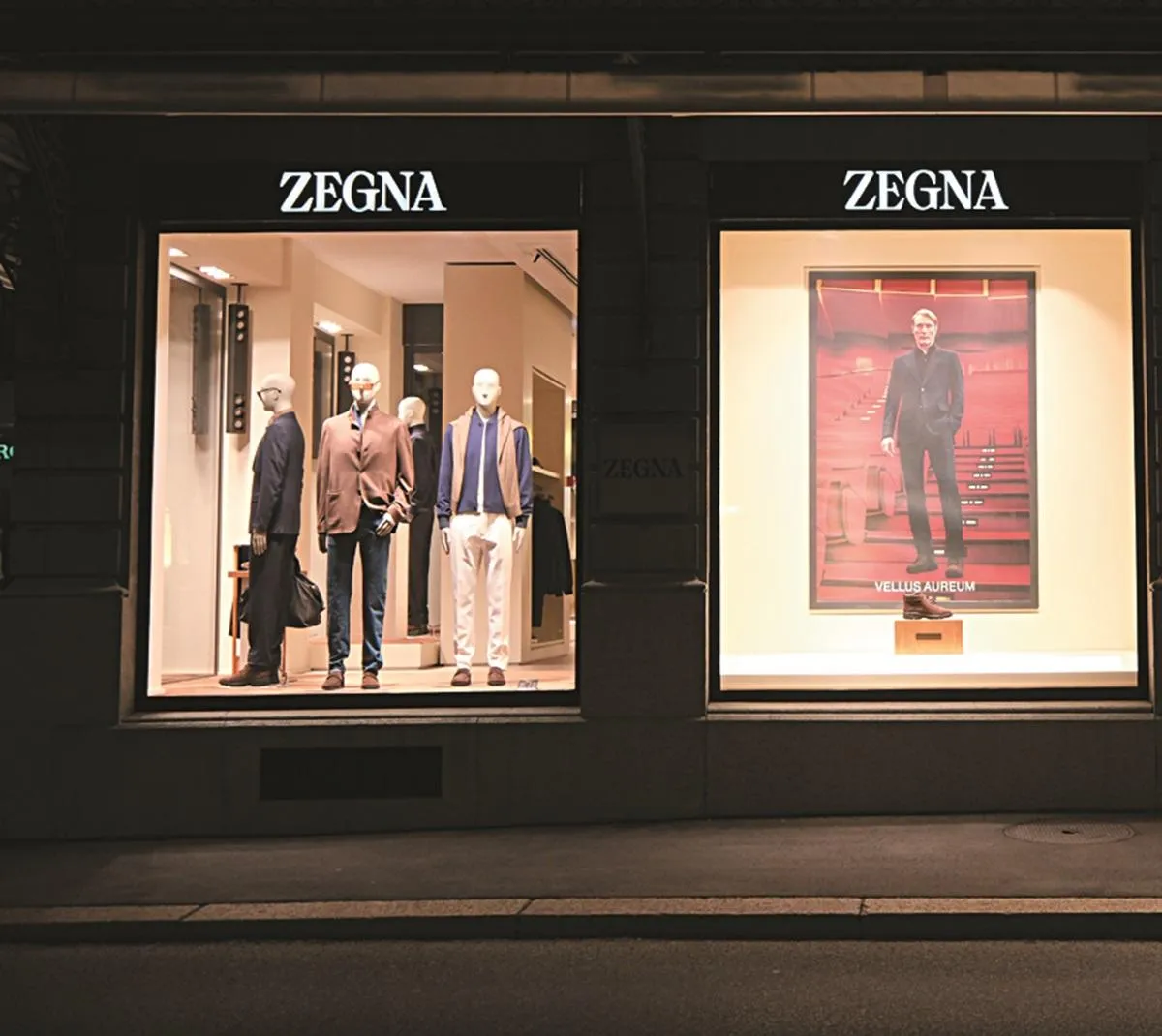
Nearly two months of conflict in West Asia have disrupted a key market for global luxury brands, leading to reduced tourism and lower demand in Gulf countries like the UAE, Bahrain, and Qatar. Brands such as Zegna are relocating inventory to more stable markets like London and Paris, hoping expatriates and tourists will continue spending elsewhere. West Asia had been a significant growth region amid slowing sales in Europe and Asia, with many luxury companies expanding retail and e-commerce operations there. The ongoing instability leaves limited short-term relief for the sector.
Political Bias
0%100%0%
Sentiment
38%
AI Analysis
Political bias across 2 sources
● Left 0%● Center 100%● Right 0%
The articles present a primarily economic perspective on the West Asia conflict's impact on luxury brands, focusing on business responses and market shifts. They include viewpoints from company executives and mention geopolitical tensions without assigning blame or endorsing any side. The coverage remains neutral, emphasizing commercial consequences rather than political analysis.
Sentiment — Neutral (38/100)
The tone across the articles is cautiously negative, reflecting concerns over disrupted markets and slowed tourism affecting luxury sales. While there is some optimism about shifting demand to other regions, the overall sentiment highlights uncertainty and challenges faced by brands due to ongoing conflict and instability.
How 2 sources covered this story
Each source's own headline, political lean, and sentiment — so you can see framing differences at a glance.
| Source | Their headline | Bias | Sentiment |
|---|---|---|---|
| thetelegraph | West Asia war dents luxury brands as Gulf demand drops and tourism slows | Center | Neutral |
| businessstandard | How the war has disrupted the plans of global luxury brands in West Asia | Center | Neutral |
Coverage timeline
businessstandard broke this story on 19 Apr, 05:33 pm. Other outlets followed.
- 1businessstandard19 Apr, 05:33 pmHow the war has disrupted the plans of global luxury brands in West Asia
- 2thetelegraph20 Apr, 02:39 amWest Asia war dents luxury brands as Gulf demand drops and tourism slows
Lens Score breakdown
37/100
Public interest0/100
Coverage gap100%
Story is receiving appropriate media attention relative to public interest.
Who's involved
Institutions and figures named across source coverage.
Corporate
KeringHermèsZegna GroupLVMH Moët Hennessy Louis VuittonBrunello CucinelliLVMH Moët Hennessy Louis Vuitton
Story context
- Category
- Business
- Location
- Dubai, United Arab Emirates
- Sources analysed
- 2
- Last analysed
- 20 Apr 2026
- Key entities
- ZegnaLuxury goodsWestern AsiaEuropeDubaiPersian GulfAsiaLVMHHandbagDiamondChief financial officerTourism
Related Coverage
Select a news story to see related coverage from other media outlets.