7 hours agoBusiness
36LENS
2 SourcesKarnataka, India
 thebalanced.news
Karnataka Implements Alcohol Content-Based Excise Duty Affecting Liquor Prices
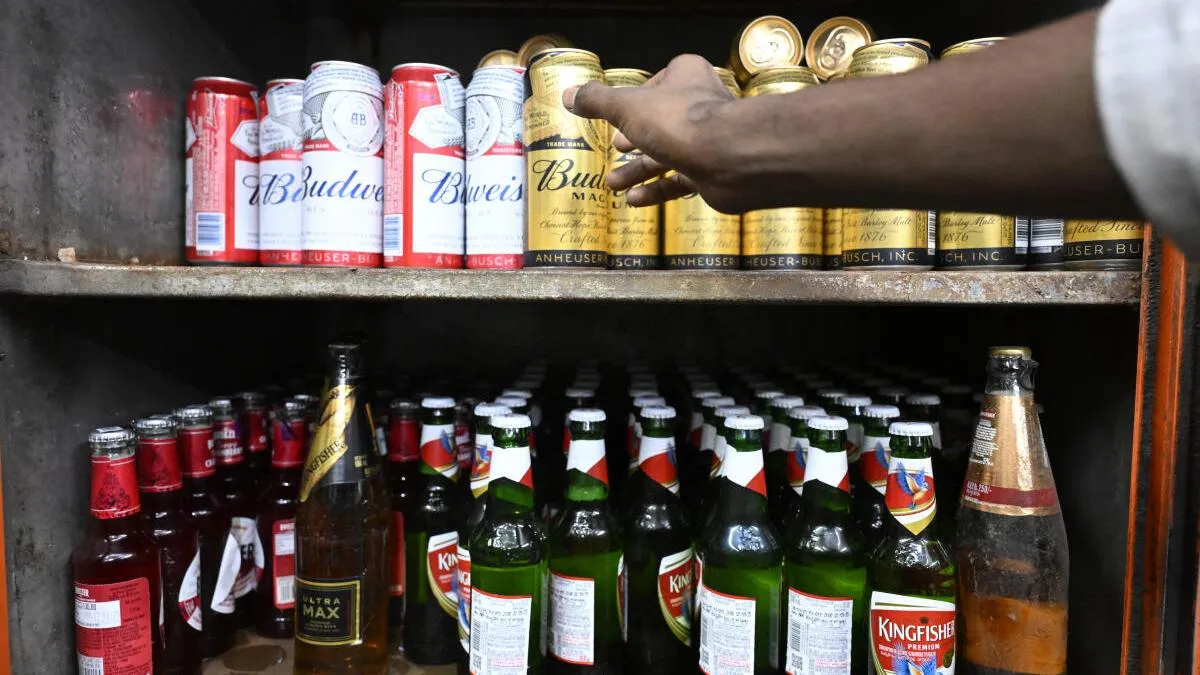
Karnataka has introduced a new excise duty structure based on Alcohol in Beverage (AIB), taxing alcohol according to its alcohol content rather than volume or value. This approach aims to address social costs like health issues and domestic violence by encouraging consumption of lower-alcohol drinks. While lower-end liquors have become more expensive, some premium brands are now cheaper. Karnataka is the first Indian state to adopt this harm-proportionate taxation model.
Political Bias
5%93%2%
Sentiment
58%
AI Analysis
Political bias across 2 sources
● Left 5%● Center 93%● Right 2%
The articles present the government's policy change neutrally, focusing on the rationale behind the new excise duty without partisan commentary. They include perspectives from industry representatives and government officials, reflecting both the policy intent and its market impact. The coverage emphasizes factual explanation over political debate, representing administrative and expert viewpoints.
Sentiment — Neutral (58/100)
The tone across the articles is informative and neutral, outlining the new tax structure and its implications without expressing approval or criticism. The coverage highlights both price increases and decreases, providing a balanced view of the policy's effects on consumers and businesses. Overall, the sentiment is factual and explanatory rather than emotional or evaluative.
How 2 sources covered this story
Each source's own headline, political lean, and sentiment — so you can see framing differences at a glance.
| Source | Their headline | Bias | Sentiment |
|---|---|---|---|
| thehindu | Karnataka's new excise regime: What are the revised alcohol prices? | Center | Neutral |
| thehindu | Karnataka revises liquor prices. What does it mean and will your beer get cheaper? | Center | Neutral |
Coverage timeline
thehindu broke this story on 22 May, 07:24 am. Other outlets followed.
- 1thehindu22 May, 07:24 amKarnataka revises liquor prices. What does it mean and will your beer get cheaper?
- 2thehindu22 May, 08:23 amKarnataka's new excise regime: What are the revised alcohol prices?
Lens Score breakdown
36/100
Public interest0/100
Coverage gap100%
Story is receiving appropriate media attention relative to public interest.
Who's involved
Institutions and figures named across source coverage.
Government
Karnataka State GovernmentKarnataka State Excise DepartmentOffice of the Chief Minister of Karnataka
Corporate
United Breweries LimitedMannheim Craft BreweryBrewers Association of India
Political
Indian National Congress
Story context
- Category
- Business
- Location
- Karnataka, India
- Sources analysed
- 2
- Last analysed
- 22 May 2026
- Key entities
- Alcohol (drug)Alcohol by volumeExciseKarnatakaAlcoholic drinkDomestic violenceDrinkBeerTaxIndian rupeeHeinekenKingfisher
Related Coverage
Select a news story to see related coverage from other media outlets.