1 hour agoBusiness
20LENS
2 SourcesPakistan
 thebalanced.news
Pakistan Seeks to Diversify Economy Amid Gulf Dependence and Regional Instability
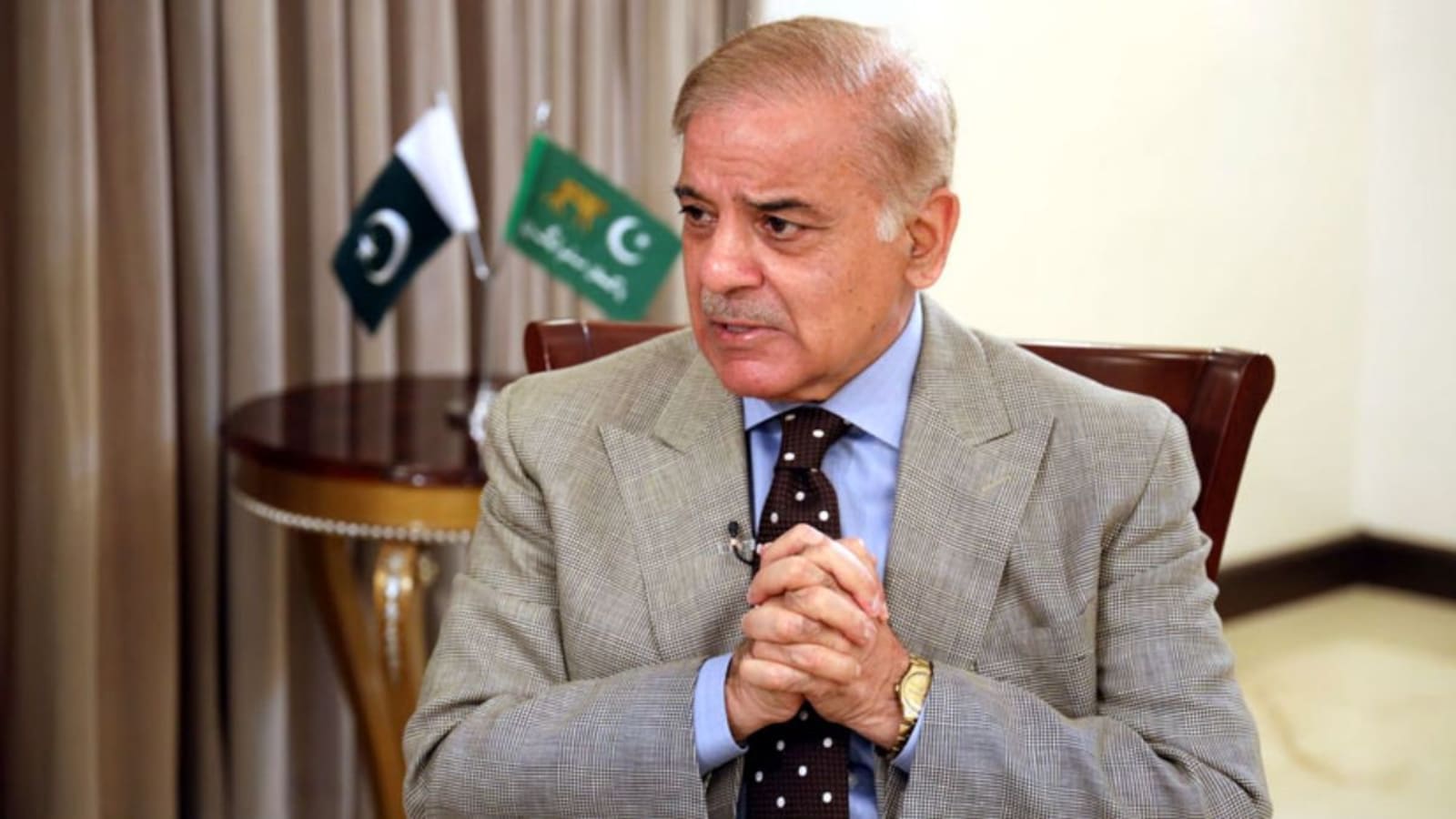
Amid disruptions from the Iran conflict, Pakistan is navigating economic challenges linked to its heavy reliance on Gulf countries for fuel imports and remittances. Despite concerns from the IMF about vulnerabilities due to this dependence, Pakistan recently reentered the global bond market and maintained currency stability. Policymakers are exploring strategies to diversify economic partnerships, including strengthening ties with China, Turkey, Russia, and Central Asia, aiming to reduce reliance on the Gulf amid rising energy costs and financial pressures.
Political Bias
15%77%8%
Sentiment
55%
AI Analysis
Political bias across 2 sources
● Left 15%● Center 77%● Right 8%
The articles present a range of perspectives including economic analysis, IMF concerns, and Pakistani policy responses. They highlight Pakistan's economic resilience and challenges without partisan framing. Views from experts and international institutions are included, reflecting both caution about risks and recognition of strategic diversification efforts, maintaining a balanced political perspective.
Sentiment — Neutral (55/100)
The overall tone is mixed, combining acknowledgment of economic difficulties and regional instability with recognition of Pakistan's recent financial resilience and proactive policy measures. Coverage balances concerns about vulnerabilities with cautious optimism about diversification plans, avoiding overly negative or positive sentiment.
How 2 sources covered this story
Each source's own headline, political lean, and sentiment — so you can see framing differences at a glance.
| Source | Their headline | Bias | Sentiment |
|---|---|---|---|
| ndtv | Opinion Pakistan Is Defying Some Long-Held Investing Myths | Center | Neutral |
| zeenews | Money or oil: Is Pakistan breaking away from Gulf despite IMF warning? | Center | Neutral |
Coverage timeline
zeenews broke this story on 26 May, 12:25 am. Other outlets followed.
- 1zeenews26 May, 12:25 amMoney or oil: Is Pakistan breaking away from Gulf despite IMF warning?
- 2ndtv26 May, 06:05 amOpinion Pakistan Is Defying Some Long-Held Investing Myths
Lens Score breakdown
20/100
Public interest0/100
Coverage gap100%
Well-covered story — coverage matches public importance.
Who's involved
Institutions and figures named across source coverage.
Government
State Bank of Pakistan
Story context
- Category
- Business
- Location
- Pakistan
- Sources analysed
- 2
- Last analysed
- 26 May 2026
- Key entities
- International Monetary FundPakistanForeign exchange reservesArab states of the Persian GulfPetroleumIslamabadTurkeyIranIndiaRemittanceChinaRupee
Related Coverage
Select a news story to see related coverage from other media outlets.