2 hours agoBusiness
30LENS
2 SourcesIndia
 thebalanced.news
India Aims for $250 Billion Textile Production and $100 Billion Exports by 2030
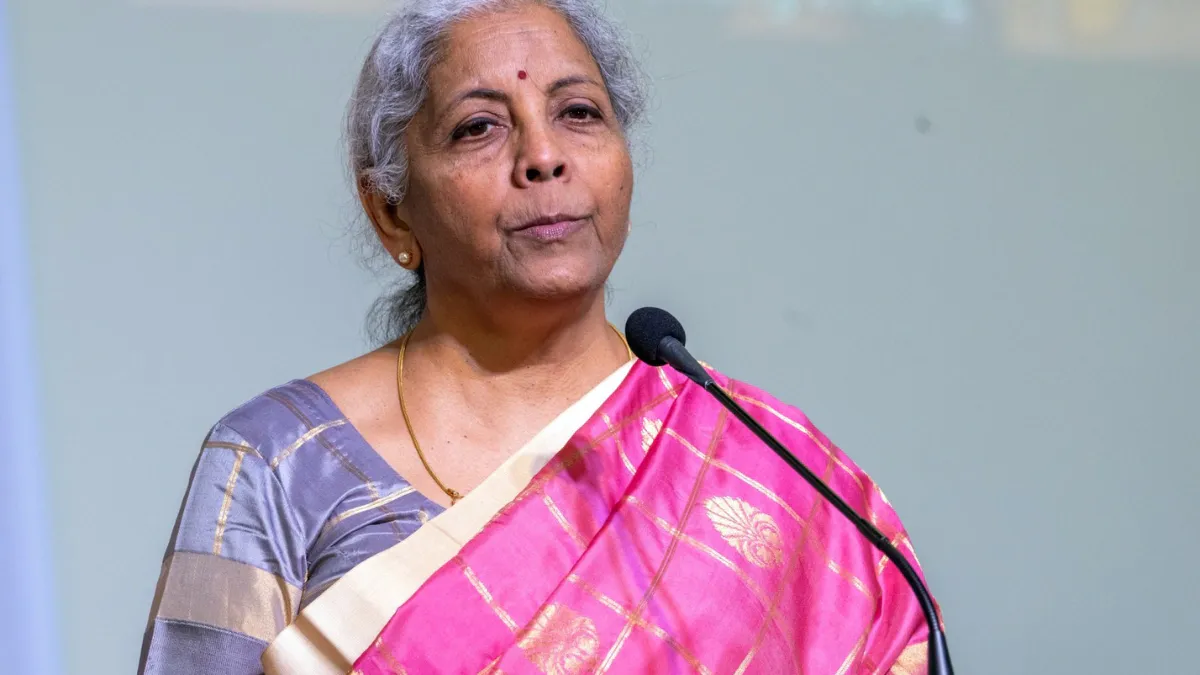
Finance Minister Nirmala Sitharaman highlighted India's textile sector's potential amid global challenges like protectionism, climate change, and supply chain disruptions. Speaking at industry events, she emphasized the need to strengthen the entire textile value chain and adapt to evolving trade rules, including sustainability requirements. Under the Viksit Bharat 2047 vision, India aims to achieve $100 billion in textile exports and $250 billion in production by 2030, supported by increased fibre production and diversification of sourcing.
Political Bias
10%80%10%
Sentiment
75%
AI Analysis
Political bias across 2 sources
● Left 10%● Center 80%● Right 10%
The articles primarily reflect the government's perspective, focusing on official statements by Finance Minister Nirmala Sitharaman regarding the textile sector's growth plans and challenges. They emphasize policy goals and strategic visions without presenting opposition views or critical analysis, thus representing a pro-government developmental narrative centered on economic ambitions.
Sentiment — Positive (75/100)
The tone across the articles is generally positive and forward-looking, highlighting opportunities and growth targets for the textile industry despite acknowledging global challenges. The coverage underscores optimism about India's potential in the sector, with cautious recognition of external risks, resulting in a balanced but predominantly constructive sentiment.
How 2 sources covered this story
Each source's own headline, political lean, and sentiment — so you can see framing differences at a glance.
| Source | Their headline | Bias | Sentiment |
|---|---|---|---|
| businessstandard | India to target USD 250 billion in textile production by 2030, says Finance Minister | Center | Positive |
| thefinancialexpress | Major opportunity for textile sector in challenging time: FM | Center | Positive |
Coverage timeline
thefinancialexpress broke this story on 25 May, 03:07 pm. Other outlets followed.
- 1thefinancialexpress25 May, 03:07 pmMajor opportunity for textile sector in challenging time: FM
- 2businessstandard26 May, 04:09 amIndia to target USD 250 billion in textile production by 2030, says Finance Minister
Lens Score breakdown
30/100
Public interest0/100
Coverage gap100%
Well-covered story — coverage matches public importance.
Who's involved
Institutions and figures named across source coverage.
Government
Ministry of FinanceMinistry of Finance and Corporate Affairs
Story context
- Category
- Business
- Location
- India
- Sources analysed
- 2
- Last analysed
- 26 May 2026
- Key entities
- TextileIndiaTextile industryFrequency modulationTrade barrierSupply chainInternational tradeProtectionismCottonLabour economicsClimate changeMumbai
Related Coverage
Select a news story to see related coverage from other media outlets.