1 hour agoBusiness
28LENS
13 SourcesIran
 thebalanced.news
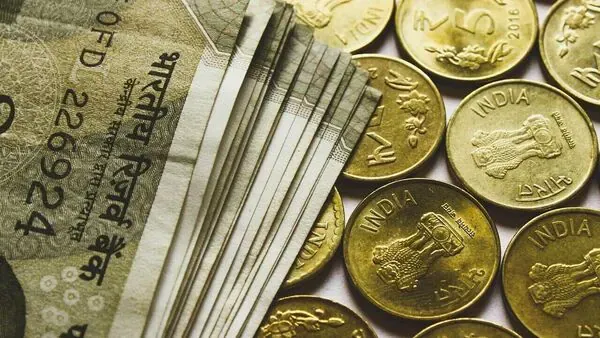
Indian Rupee Hits Record Low Amid High Oil Prices and West Asia Tensions
The Indian rupee weakened against the US dollar, closing at a record low of 95.23 on May 4, amid sustained pressure from elevated Brent crude oil prices near $108-$110 per barrel and ongoing geopolitical tensions in West Asia. Market participants noted that stalled US-Iran negotiations and concerns over the Strait of Hormuz contributed to volatility. Persistent foreign capital outflows and importer demand for dollars further strained the currency, while the Reserve Bank of India is reportedly exploring measures to support the rupee amid these challenges.
Political Bias
3%95%2%
Sentiment
38%
AI Analysis
Political bias across 13 sources
● Left 3%● Center 95%● Right 2%
The article group presents a range of perspectives focusing on economic and geopolitical factors affecting the rupee, including US-Iran tensions, oil prices, and domestic market responses. Sources include market analysts, government advisors, and traders, reflecting both external geopolitical concerns and internal economic policy considerations without favoring any political ideology or party.
Sentiment — Neutral (38/100)
The overall tone across the articles is cautious and concerned, highlighting negative impacts on the rupee due to geopolitical instability and high oil prices. While some reports mention potential easing measures and market support, the sentiment remains predominantly negative, emphasizing risks of inflation, capital outflows, and economic uncertainty.
How 13 sources covered this story
Each source's own headline, political lean, and sentiment — so you can see framing differences at a glance.
Coverage timeline
moneycontrol broke this story on 4 May, 03:40 am. Other outlets followed.
- 1moneycontrol4 May, 03:40 amCurrency Watch: Rupee opens lower amid elevated oil prices and US-Iran tensions- Moneycontrol.com
- 2mint4 May, 03:43 amRupee opens 4 paise lower at 94.95 against US dollar Stock Market News
- 3moneycontrol4 May, 04:23 amRupee opens four paise lower at 94.95 against the dollar, Brent still a worry- Moneycontrol.com
- 4businessstandard4 May, 04:51 amRupee falls 11 paise to 94.95 against US dollar amid West Asia crisis
- 5freepressjournal4 May, 05:03 amRupee Depreciates 11 Paise To 94.95 Against Dollar, Brent Oil Near 108
- 6thehindu4 May, 05:21 amRupee falls 11 paise to 94.95 against U.S. dollar
- 7economictimes4 May, 05:57 amRupee falls to 94.86 per USD as modest inflows, oil prices retreat
- 8businessstandard4 May, 06:40 amINR lingers around 95 per US dollar mark
- 9thehindu4 May, 10:56 amRupee falls 39 paise to close at all-time low of 95.23 against U.S. dollar
- 10timesnow4 May, 11:09 amRupee Hits All-Time Low, Ends At 95.23 Against US Dollar
Lens Score breakdown
28/100
Public interest0/100
Coverage gap100%
Well-covered story — coverage matches public importance.
Story context
- Category
- Business
- Location
- Iran
- Sources analysed
- 13
- Last analysed
- 4 May 2026
- Key entities
- United States dollarPrice of oilBrent CrudeCurrencyIndian rupeeIndiaPaisaForeign exchange marketStrait of HormuzRupeeMiddle EastDonald Trump
Related Coverage
Select a news story to see related coverage from other media outlets.