3 hours agoBusiness
32LENS
2 SourcesIran
 thebalanced.news
EU Explores Alternative West Asia Energy Routes to Bypass Conflict Zones
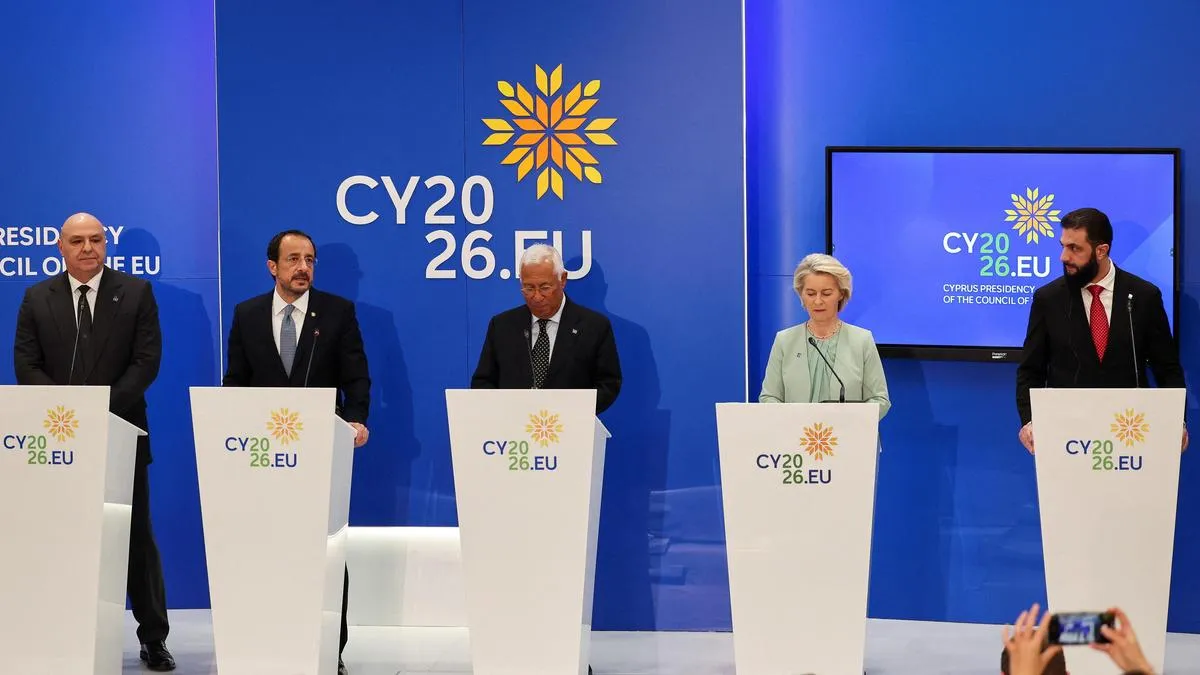
The European Union is exploring funding alternative energy routes in West Asia to bypass conflict zones like the Strait of Hormuz amid rising fuel prices caused by the Iran war. European Commission President Ursula von der Leyen emphasized cooperation with Persian Gulf countries to develop new energy infrastructure and repair damaged sites, aiming to reduce reliance on vulnerable chokepoints and enhance maritime security in the region.
Political Bias
10%88%2%
Sentiment
58%
AI Analysis
Political bias across 2 sources
● Left 10%● Center 88%● Right 2%
The articles present a primarily neutral perspective focused on the EU's strategic response to energy supply disruptions caused by the Iran war. They highlight official EU statements without partisan framing, emphasizing cooperation with Gulf countries and security concerns. The coverage reflects a policy-oriented viewpoint centered on energy security and geopolitical stability.
Sentiment — Neutral (58/100)
The tone across the articles is measured and pragmatic, acknowledging challenges like fuel price increases and conflict-related disruptions while focusing on constructive EU initiatives. The sentiment is neither overtly positive nor negative but underscores urgency and the need for strategic action to mitigate risks in energy supply.
How 2 sources covered this story
Each source's own headline, political lean, and sentiment — so you can see framing differences at a glance.
| Source | Their headline | Bias | Sentiment |
|---|---|---|---|
| thehindu | EU considers helping with West Asia energy infrastructure to bypass conflict zones | Center | Neutral |
| economictimes | EU considers helping with Mideast energy infrastructure to bypass conflict zones | Center | Neutral |
Coverage timeline
economictimes broke this story on 25 Apr, 05:07 am. Other outlets followed.
- 1economictimes25 Apr, 05:07 amEU considers helping with Mideast energy infrastructure to bypass conflict zones
- 2thehindu25 Apr, 06:00 amEU considers helping with West Asia energy infrastructure to bypass conflict zones
Lens Score breakdown
32/100
Public interest0/100
Coverage gap100%
Well-covered story — coverage matches public importance.
Who's involved
Institutions and figures named across source coverage.
Government
European CommissionEuropean CouncilGulf Cooperation Council
Story context
- Category
- Business
- Location
- Iran
- Sources analysed
- 2
- Last analysed
- 25 Apr 2026
- Key entities
- Fossil fuelEuropean UnionIranStrait of HormuzUrsula von der LeyenRenewable energyPresident of the European CommissionArab states of the Persian GulfGeopoliticsWestern AsiaMiddle EastCyprus
Related Coverage
Select a news story to see related coverage from other media outlets.