2 hours agoBusiness
31LENS
4 SourcesNew Delhi, India
 thebalanced.news
Cabinet to Approve Rs 37,500 Crore Incentive Scheme for Coal Gasification Projects
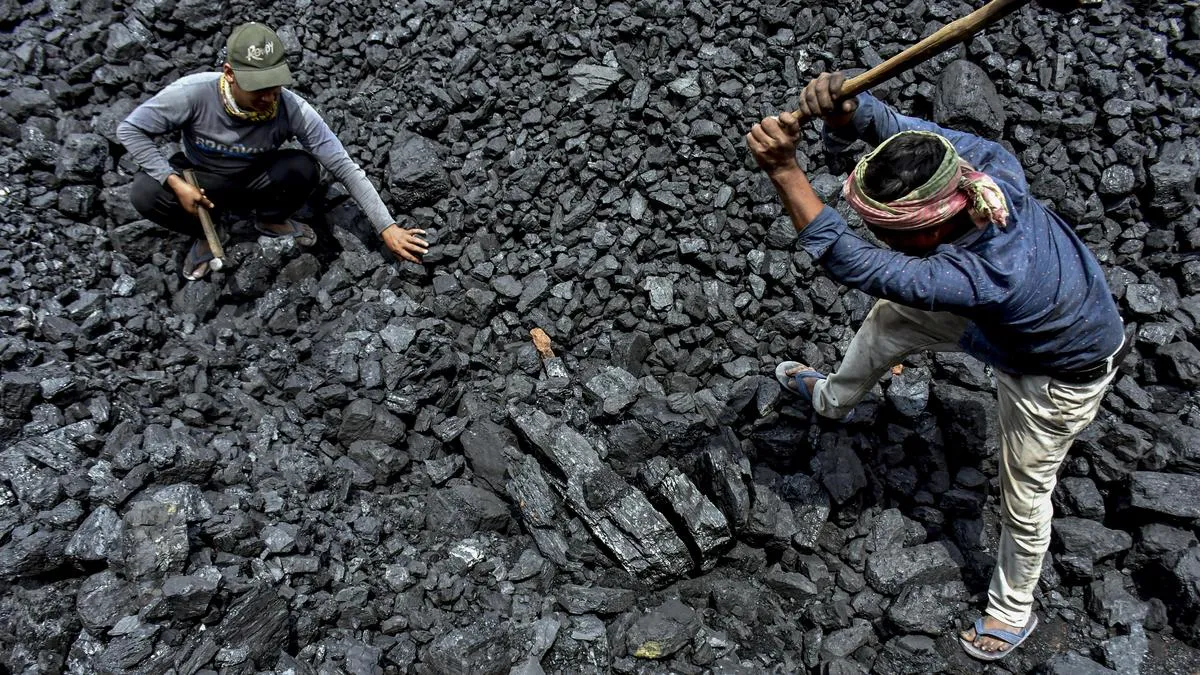
The Indian Cabinet is expected to soon approve a Rs 37,500 crore incentive scheme to promote coal gasification projects, aiming to boost clean energy production and reduce import dependence on commodities like LNG, urea, and ammonia. The unified scheme offers up to Rs 3,000 crore per project, supporting a national target of 100 million tonnes coal gasification capacity by 2030. This initiative responds to recent global supply disruptions and seeks to enhance domestic coal utilization for fuels and chemicals.
Political Bias
10%80%10%
Sentiment
69%
AI Analysis
Political bias across 4 sources
● Left 10%● Center 80%● Right 10%
The articles present a government-focused perspective emphasizing policy initiatives to enhance energy security and self-reliance. Industry analysts are cited to contextualize the scheme amid global supply challenges. The coverage is largely descriptive, reflecting official plans without partisan critique or opposition viewpoints, maintaining a neutral stance on the policy's implications.
Sentiment — Positive (69/100)
The overall tone across the articles is neutral to cautiously optimistic, highlighting the scheme's potential to boost clean energy and reduce import reliance. While acknowledging external factors like West Asia tensions, the coverage avoids overtly positive or negative language, focusing on factual reporting of the government's proposed measures and their strategic rationale.
How 4 sources covered this story
Each source's own headline, political lean, and sentiment — so you can see framing differences at a glance.
| Source | Their headline | Bias | Sentiment |
|---|---|---|---|
| thehindu | Cabinet to soon approve 37,500 crore incentive scheme to promote coal gasification projects | Center | Neutral |
| economictimes | Cabinet to soon approve Rs 37,500 cr incentive scheme to promote coal gasification projects | Center | Positive |
| moneycontrol | Cabinet may clear Rs 37,500 crore coal gasification push as India races to cut LNG, urea imports- Moneycontrol.com | Center | Positive |
| businessstandard | Cabinet to soon clear 37,500 cr coal gasification incentive scheme | Center | Positive |
Coverage timeline
businessstandard broke this story on 3 May, 05:39 am. Other outlets followed.
- 1businessstandard3 May, 05:39 amCabinet to soon clear 37,500 cr coal gasification incentive scheme
- 2moneycontrol3 May, 06:16 amCabinet may clear Rs 37,500 crore coal gasification push as India races to cut LNG, urea imports- Moneycontrol.com
- 3economictimes3 May, 06:23 amCabinet to soon approve Rs 37,500 cr incentive scheme to promote coal gasification projects
- 4thehindu3 May, 06:33 amCabinet to soon approve 37,500 crore incentive scheme to promote coal gasification projects
Lens Score breakdown
31/100
Public interest0/100
Coverage gap90%
Well-covered story — coverage matches public importance.
Who's involved
Institutions and figures named across source coverage.
Government
CabinetCoal MinistryFinance Ministry
Story context
- Category
- Business
- Location
- New Delhi, India
- Sources analysed
- 4
- Last analysed
- 3 May 2026
- Key entities
- Coal gasificationSustainable energyCroreCoalIndian rupeeLigniteAmmonium nitrateUreaLiquefied natural gasCoke (fuel)AmmoniaGasification
Related Coverage
Select a news story to see related coverage from other media outlets.