2 hours agoBusiness
31LENS
2 SourcesIran
 thebalanced.news
Middle East Conflict Spurs Increased Biofuel Demand and Ethanol-Diesel Blending Efforts
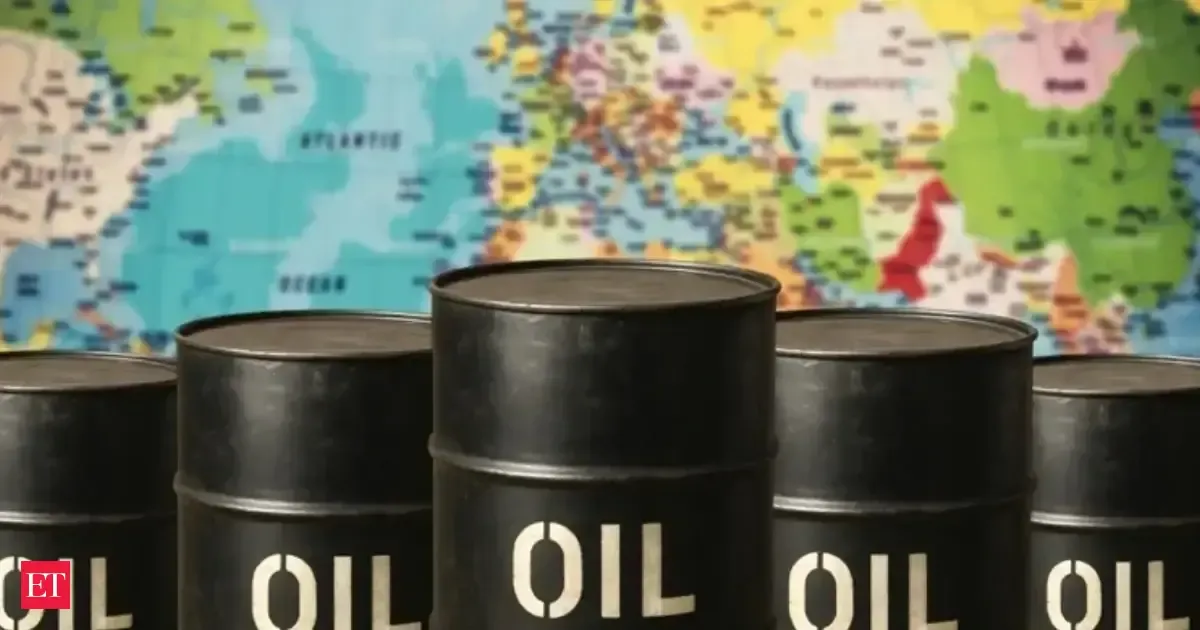
Rising global oil prices due to the Middle East conflict have increased demand for biofuels, prompting countries in Asia to boost ethanol and biodiesel blending to reduce reliance on costly imports. India is reconsidering ethanol-diesel blending after successful pilot trials, with the Prime Minister's Office reviewing technical and economic feasibility. While concerns about food price impacts exist, experts see biofuels as a partial solution to energy supply disruptions caused by the conflict.
Political Bias
5%93%2%
Sentiment
65%
AI Analysis
Political bias across 2 sources
● Left 5%● Center 93%● Right 2%
The articles present a primarily policy-focused perspective emphasizing government and expert views on energy security and biofuel adoption. They highlight official initiatives and technical assessments without partisan framing. Both sources focus on pragmatic responses to supply disruptions, reflecting a consensus on exploring alternative fuels amid geopolitical tensions.
Sentiment — Neutral (65/100)
Coverage maintains a neutral to cautiously optimistic tone, emphasizing technical feasibility and strategic responses to energy challenges. While acknowledging concerns about food prices, the overall sentiment highlights biofuels as a viable partial solution to rising oil costs and supply risks, without sensationalizing the conflict or its consequences.
How 2 sources covered this story
Each source's own headline, political lean, and sentiment — so you can see framing differences at a glance.
| Source | Their headline | Bias | Sentiment |
|---|---|---|---|
| moneycontrol | Iran crisis revives ethanol-diesel blending push after earlier failure; PMO weighs options- Moneycontrol.com | Center | Positive |
| economictimes | Oil prices surge from Iran conflict boosts global biofuel demand | Center | Neutral |
Coverage timeline
economictimes broke this story on 21 Apr, 06:15 am. Other outlets followed.
- 1economictimes21 Apr, 06:15 amOil prices surge from Iran conflict boosts global biofuel demand
- 2moneycontrol21 Apr, 08:31 amIran crisis revives ethanol-diesel blending push after earlier failure; PMO weighs options- Moneycontrol.com
Lens Score breakdown
31/100
Public interest0/100
Coverage gap100%
Well-covered story — coverage matches public importance.
Who's involved
Institutions and figures named across source coverage.
Government
Karnataka State Road Transport Corp.Inter-ministerial CommitteePrime Minister's Office
Story context
- Category
- Business
- Location
- Iran
- Sources analysed
- 2
- Last analysed
- 21 Apr 2026
- Key entities
- PetroleumIranEthanolDiesel fuelIndiaFood pricesPrice of oilBiofuelMiddle EastAsiaStrait of HormuzRaw material
Related Coverage
Select a news story to see related coverage from other media outlets.