2 hours agoBusiness
29LENS
2 SourcesUnited Arab Emirates
 thebalanced.news
United Arab Emirates Exits OPEC and OPEC+ Amid Global Energy Challenges
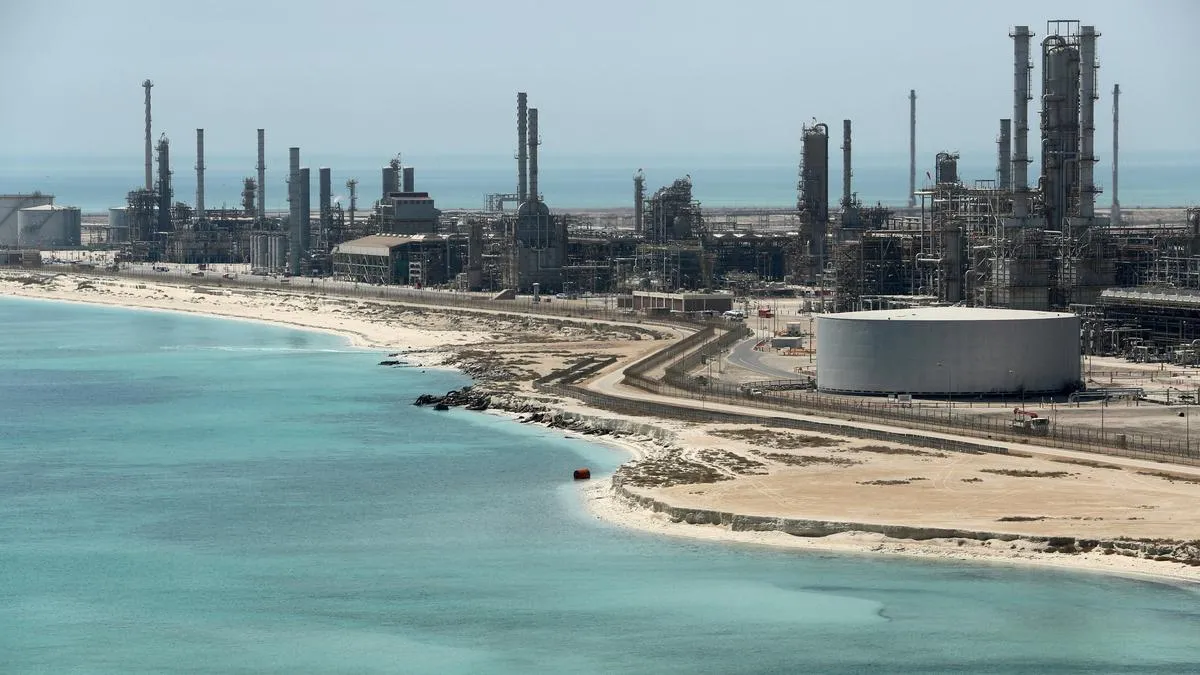
On May 1, the United Arab Emirates (UAE) officially left the Organization of the Petroleum Exporting Countries (OPEC) and the broader OPEC+ alliance, ending nearly six decades of membership. This move removes one of OPEC's largest producers amid ongoing global energy challenges, including the impact of the Iran conflict. OPEC, founded in 1960 to coordinate oil policies among member states, and OPEC+, established in 2016 with additional producers like Russia, have aimed to stabilize global oil markets.
Political Bias
0%100%0%
Sentiment
46%
AI Analysis
Political bias across 2 sources
● Left 0%● Center 100%● Right 0%
The articles present a factual account of the UAE's departure from OPEC and OPEC+, highlighting the historical context and current geopolitical factors such as the Iran conflict. The coverage reflects perspectives emphasizing the significance of the UAE's exit for the oil alliances and global markets without favoring any political stance or attributing blame.
Sentiment — Neutral (46/100)
The tone across the articles is neutral and informative, focusing on the implications of the UAE's decision for OPEC and global energy markets. While noting the challenges posed by the Iran conflict and energy shocks, the coverage avoids emotional language, maintaining a balanced and objective sentiment.
How 2 sources covered this story
Each source's own headline, political lean, and sentiment — so you can see framing differences at a glance.
| Source | Their headline | Bias | Sentiment |
|---|---|---|---|
| thehindu | Why did the UAE quit OPEC and OPEC ? | Center | Neutral |
| thehindu | OPEC Cracks in the oil crown | Center | Neutral |
Coverage timeline
thehindu broke this story on 2 May, 07:55 pm. Other outlets followed.
- 1thehindu2 May, 07:55 pmOPEC Cracks in the oil crown
- 2thehindu2 May, 08:29 pmWhy did the UAE quit OPEC and OPEC ?
Lens Score breakdown
29/100
Public interest0/100
Coverage gap100%
Well-covered story — coverage matches public importance.
Story context
- Category
- Business
- Location
- United Arab Emirates
- Sources analysed
- 2
- Last analysed
- 2 May 2026
- Key entities
- OPECPetroleumUnited Arab EmiratesSaudi ArabiaIranKuwaitIraqPetroleum industryBaghdadVenezuelaInternational organizationRussia
Related Coverage
Select a news story to see related coverage from other media outlets.