1 hour agoBusiness
28LENS
2 SourcesIran
 thebalanced.news
World Bank Forecasts 24% Rise in 2026 Energy Prices Amid Middle East Conflict
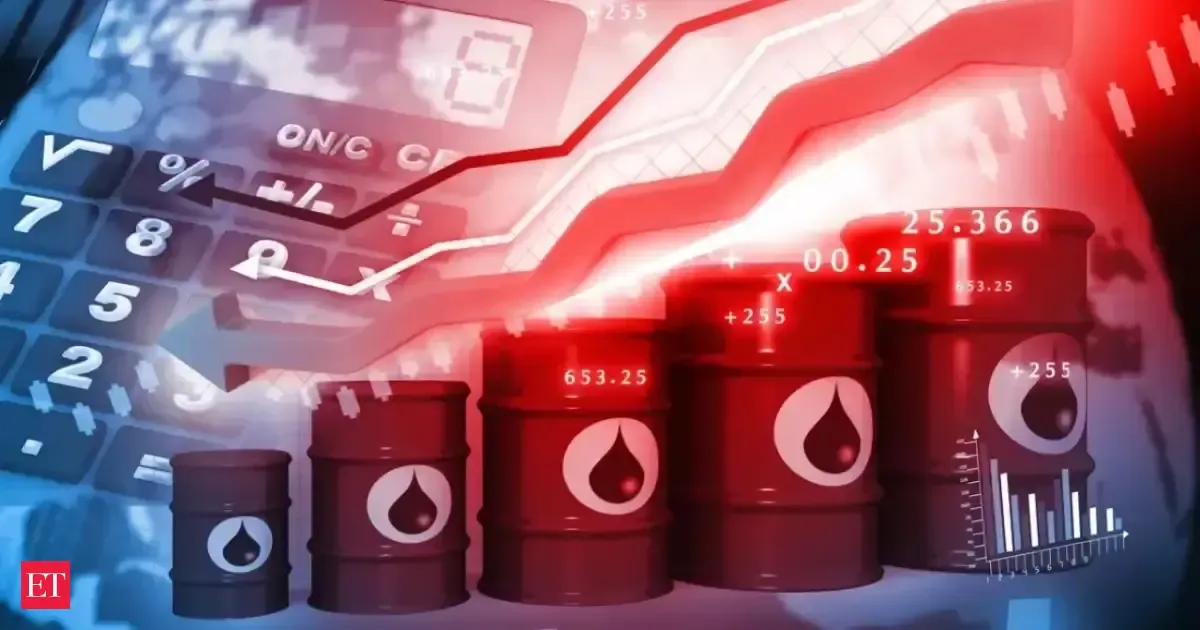
Oil prices are rising sharply in 2026 due to disruptions caused by the conflict between the U.S., Israel, and Iran, particularly affecting the Strait of Hormuz, a key route for global crude oil shipments. The World Bank forecasts a 24% surge in energy prices, the highest in four years, driven by attacks on energy infrastructure and shipping delays. This increase is contributing to broader inflation, impacting fuel, fertilizer, and commodity costs worldwide, with risks of further price rises if hostilities continue.
Political Bias
5%93%2%
Sentiment
35%
AI Analysis
Political bias across 2 sources
● Left 5%● Center 93%● Right 2%
The articles present perspectives focused on the geopolitical tensions involving the U.S., Israel, and Iran, highlighting the impact on global energy markets without endorsing any side. They emphasize the economic consequences of the conflict and supply disruptions, reflecting a neutral stance centered on factual reporting of events and forecasts from credible institutions like the World Bank.
Sentiment — Neutral (35/100)
The overall tone is cautionary and factual, emphasizing the economic challenges posed by rising energy prices and supply shocks. While the coverage highlights negative impacts such as inflation and supply disruptions, it remains measured without sensationalism, focusing on data and expert projections rather than emotive language.
How 2 sources covered this story
Each source's own headline, political lean, and sentiment — so you can see framing differences at a glance.
| Source | Their headline | Bias | Sentiment |
|---|---|---|---|
| thetelegraph | World Bank predicts 24 surge in energy prices in 2026 due to Iran war, highest in four years | Center | Negative |
| economictimes | Things you need to know about oil prices: Energy crisis 2026 pushes fuel costs higher and triggers global inflation | Center | Neutral |
Coverage timeline
economictimes broke this story on 27 Apr, 07:42 pm. Other outlets followed.
- 1economictimes27 Apr, 07:42 pmThings you need to know about oil prices: Energy crisis 2026 pushes fuel costs higher and triggers global inflation
- 2thetelegraph28 Apr, 02:16 pmWorld Bank predicts 24 surge in energy prices in 2026 due to Iran war, highest in four years
Lens Score breakdown
28/100
Public interest0/100
Coverage gap100%
Well-covered story — coverage matches public importance.
Story context
- Category
- Business
- Location
- Iran
- Sources analysed
- 2
- Last analysed
- 28 Apr 2026
- Key entities
- Price of oilPetroleumIranNatural gasFertilizerMiddle EastStrait of HormuzGasolineKiplingerDiesel fuelOil refineryHeating oil
Related Coverage
Select a news story to see related coverage from other media outlets.