2 hours agoBusiness
45LENS
2 SourcesIndia
 thebalanced.news
India Plans Increased EV Two-Wheeler Subsidies and Supports Local Battery Manufacturing
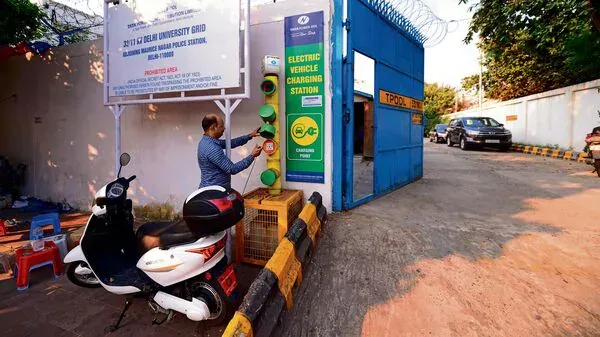
India is intensifying efforts to promote electric vehicle adoption by planning to increase subsidies for electric two-wheelers under the PM E-Drive scheme, which aims to reduce oil import dependence. Meanwhile, domestic lithium-ion cell manufacturers are engaging with the government to secure incentives and develop local suppliers to narrow the price gap with Chinese imports, which currently dominate over two-thirds of India's EV cell market. These initiatives coincide with rising EV sales and concerns over import costs amid geopolitical tensions.
Political Bias
10%80%10%
Sentiment
68%
AI Analysis
Political bias across 2 sources
● Left 10%● Center 80%● Right 10%
The articles primarily present government initiatives and industry perspectives without partisan framing. They highlight policy measures aimed at boosting electric mobility and domestic manufacturing, reflecting a pro-development stance. Both government and industry viewpoints are included, focusing on economic and strategic interests rather than political debate.
Sentiment — Positive (68/100)
The tone across the articles is generally positive and forward-looking, emphasizing growth opportunities in electric vehicle adoption and domestic battery production. While challenges like price gaps and import reliance are noted, the coverage stresses ongoing efforts and potential solutions, maintaining an optimistic outlook on India's EV sector development.
How 2 sources covered this story
Each source's own headline, political lean, and sentiment — so you can see framing differences at a glance.
| Source | Their headline | Bias | Sentiment |
|---|---|---|---|
| mint | India's EV cell makers see first real shot at closing China price gap Company Business News | Center | Neutral |
| mint | India plans to double down on e-two wheeler subsidies Mint | Center | Positive |
Coverage timeline
mint broke this story on 25 May, 12:35 am. Other outlets followed.
- 1mint25 May, 12:35 amIndia plans to double down on e-two wheeler subsidies Mint
- 2mint25 May, 12:37 amIndia's EV cell makers see first real shot at closing China price gap Company Business News
Lens Score breakdown
45/100
Public interest0/100
Coverage gap100%
Story is receiving appropriate media attention relative to public interest.
Who's involved
Institutions and figures named across source coverage.
Government
Union GovernmentMinistry of Heavy IndustriesConvergence Energy Services LtdMinistry of Finance
Corporate
Epsilon Advanced Materials Pvt. LtdAther EnergyOla ElectricReliance IndustriesBajaj AutoAmara Raja EnergyHero MotoCorpExide IndustriesTVS MotorRajesh ExportsAgratas
Story context
- Category
- Business
- Location
- India
- Sources analysed
- 2
- Last analysed
- 25 May 2026
- Key entities
- Fiscal yearIndiaElectric vehicleElectric batteryNew DelhiOla ElectricWestern AsiaSubsidyMotorcycleCroreIndian rupeeAutomotive industry
Related Coverage
Select a news story to see related coverage from other media outlets.