2 hours agoBusiness
36LENS
2 SourcesIran
 thebalanced.news
West Asia Conflict Disrupts Fertilizer Supplies, Raising Global Food Security Concerns
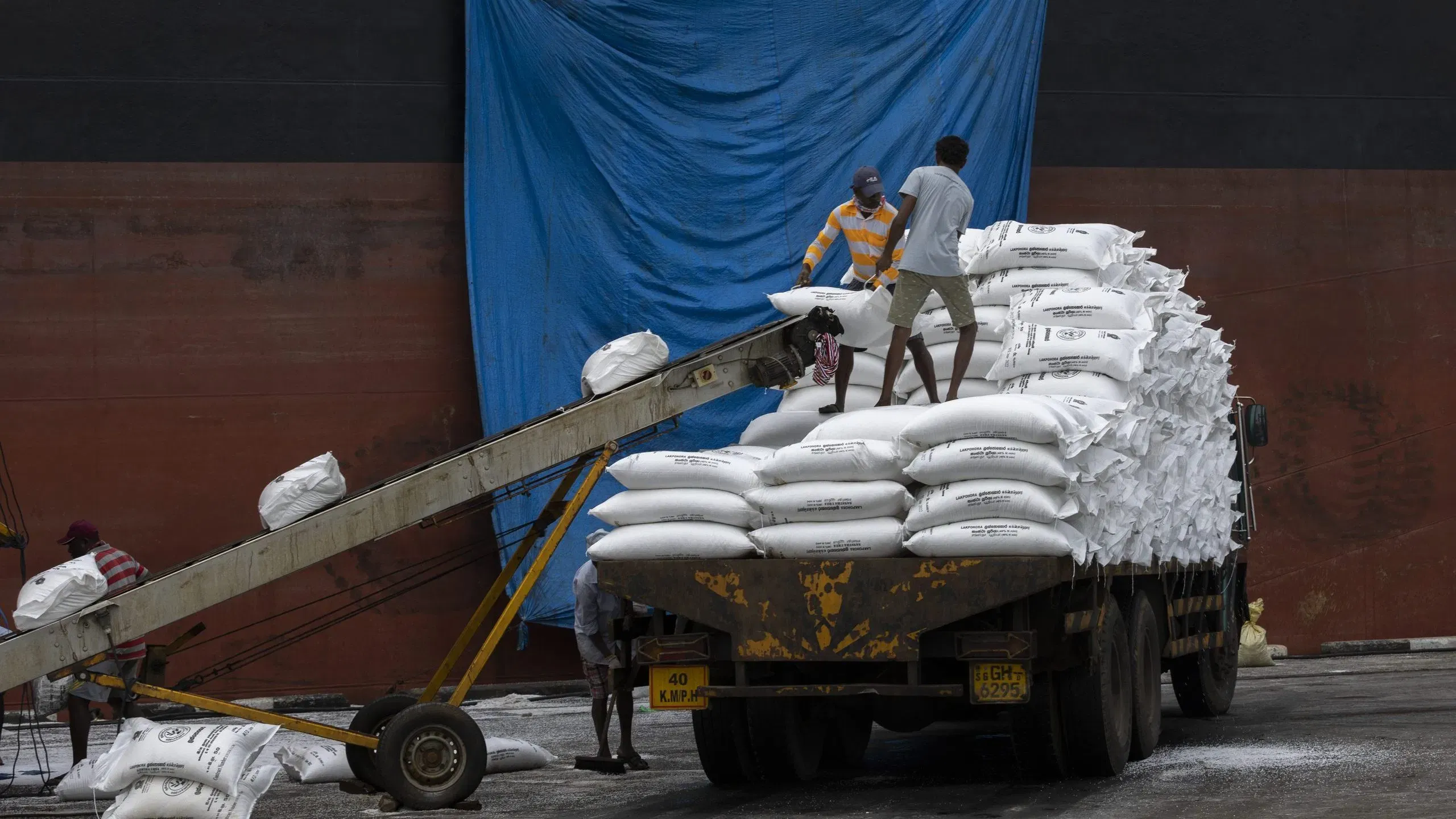
The ongoing conflict in West Asia, particularly disruptions around the Strait of Hormuz, is impacting global fertilizer supplies and raising concerns about food security. The United Nations warns that restricted maritime access and rising raw material costs are driving fertilizer prices to record highs, threatening crop yields and potentially triggering a global hunger crisis, especially in import-dependent and vulnerable regions. The International Chamber of Shipping has also called for the release of detained crews and emphasized the need for freedom of navigation to maintain supply chains.
Political Bias
10%88%2%
Sentiment
30%
AI Analysis
Political bias across 2 sources
● Left 10%● Center 88%● Right 2%
The articles present perspectives from international organizations like the United Nations and the International Chamber of Shipping, focusing on the humanitarian and logistical impacts of the conflict without assigning blame. They highlight concerns over supply disruptions and call for diplomatic solutions, reflecting a neutral stance emphasizing global food security and maritime law adherence.
Sentiment — Negative (30/100)
The overall tone is cautionary and serious, emphasizing risks of food shortages and humanitarian crises due to supply chain disruptions. While the coverage is largely negative regarding the conflict's effects, it maintains a factual and measured tone, focusing on warnings and calls for diplomatic intervention rather than emotional or sensational language.
How 2 sources covered this story
Each source's own headline, political lean, and sentiment — so you can see framing differences at a glance.
| Source | Their headline | Bias | Sentiment |
|---|---|---|---|
| english | UN Warns Fertiliser Disruption From Strait Of Hormuz Closure May Trigger Hunger Crisis | Center | Negative |
| theprint | West Asia war is sending shockwaves through global food industry | Center | Negative |
Coverage timeline
theprint broke this story on 25 Apr, 11:24 am. Other outlets followed.
- 1theprint25 Apr, 11:24 amWest Asia war is sending shockwaves through global food industry
- 2english26 Apr, 10:43 amUN Warns Fertiliser Disruption From Strait Of Hormuz Closure May Trigger Hunger Crisis
Lens Score breakdown
36/100
Public interest0/100
Coverage gap100%
Story is receiving appropriate media attention relative to public interest.
Who's involved
Institutions and figures named across source coverage.
Government
India GovernmentUnited Nations Food and Agriculture OrganizationUnited Nations World Food ProgrammePhilippines GovernmentUnited Nations Trade and DevelopmentUS Government
Corporate
RabobankMeridian Agribusiness Advisors
Story context
- Category
- Business
- Location
- Iran
- Sources analysed
- 2
- Last analysed
- 26 Apr 2026
- Key entities
- Food industryFertilizerStrait of HormuzCrop yieldInternational tradeUnited NationsIranUnited StatesInflationFood pricesGrainWestern Asia
Related Coverage
Select a news story to see related coverage from other media outlets.