2 hours agoBusiness
32LENS
2 SourcesIndia
 thebalanced.news
Geopolitical Tensions Drive Up Freight Costs Impacting India's Steel Industry
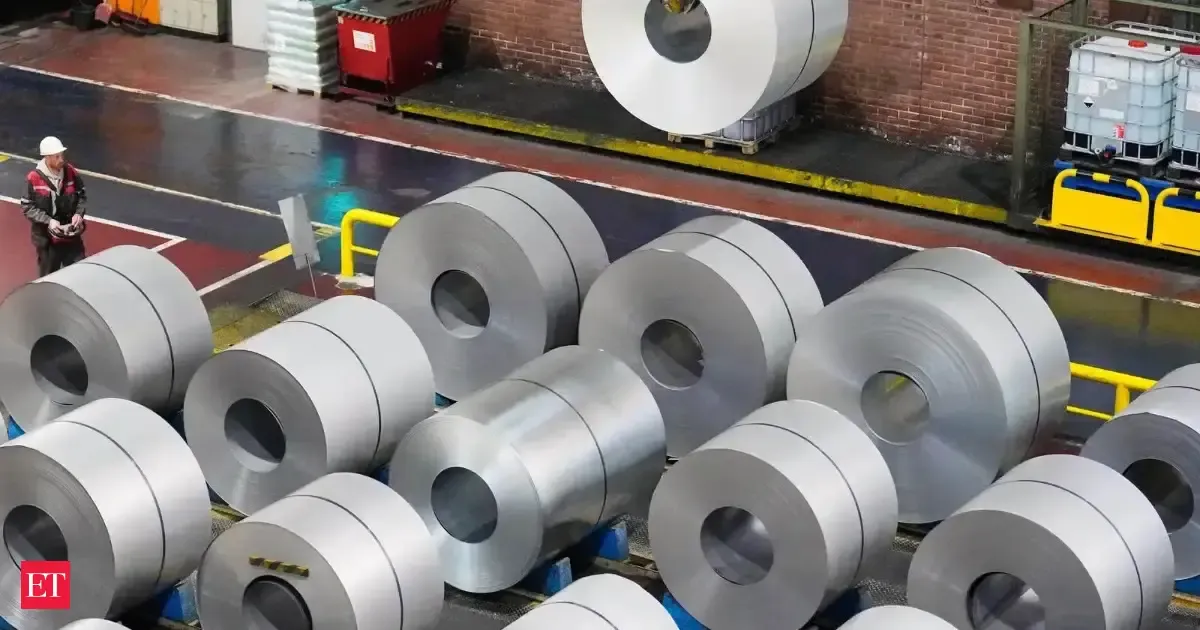
India's steel industry faces a 28-30% rise in global freight costs due to geopolitical tensions, including conflicts in West Asia and Ukraine, significantly increasing logistics expenses for steelmakers reliant on imported coking coal. Tata Steel, which imports about 78% of its coking coal mainly from Australia, reports stable domestic operations and raw material supplies despite these challenges. Rising freight rates are becoming a major concern for raw material movement, though production levels have been maintained so far.
Political Bias
10%85%5%
Sentiment
55%
AI Analysis
Political bias across 2 sources
● Left 10%● Center 85%● Right 5%
The articles primarily present an industry perspective focused on operational challenges without political commentary. They highlight the impact of international conflicts on freight costs affecting the steel sector, quoting a Tata Steel official. The coverage is factual and centered on economic and logistical issues, with no evident partisan framing or political bias.
Sentiment — Neutral (55/100)
The tone across the articles is neutral to cautiously concerned, emphasizing rising costs and logistical challenges without alarmism. While acknowledging stable production and supply, the coverage reflects industry apprehension about increasing freight expenses due to geopolitical instability, maintaining a balanced and informative sentiment.
How 2 sources covered this story
Each source's own headline, political lean, and sentiment — so you can see framing differences at a glance.
| Source | Their headline | Bias | Sentiment |
|---|---|---|---|
| businessstandard | Rising freight rates amid global tensions hit steel sector: Tata Steel | Center | Neutral |
| economictimes | Wars in West Asia and Ukraine are turning shipping costs into steel sector's biggest headache | Center | Neutral |
Coverage timeline
economictimes broke this story on 21 May, 07:52 am. Other outlets followed.
- 1economictimes21 May, 07:52 amWars in West Asia and Ukraine are turning shipping costs into steel sector's biggest headache
- 2businessstandard21 May, 08:59 amRising freight rates amid global tensions hit steel sector: Tata Steel
Lens Score breakdown
32/100
Public interest0/100
Coverage gap100%
Well-covered story — coverage matches public importance.
Who's involved
Institutions and figures named across source coverage.
Government
Government Infrastructure Spending
Corporate
Tata Steel GroupTata Steel
Story context
- Category
- Business
- Location
- India
- Sources analysed
- 2
- Last analysed
- 21 May 2026
- Key entities
- Russo-Ukrainian WarWestern AsiaSteelRaw materialTonneTata SteelIndiaCoke (fuel)LogisticsAustraliaMineralGeopolitics
Related Coverage
Select a news story to see related coverage from other media outlets.