2 hours agoBusiness
21LENS
2 SourcesIran
 thebalanced.news
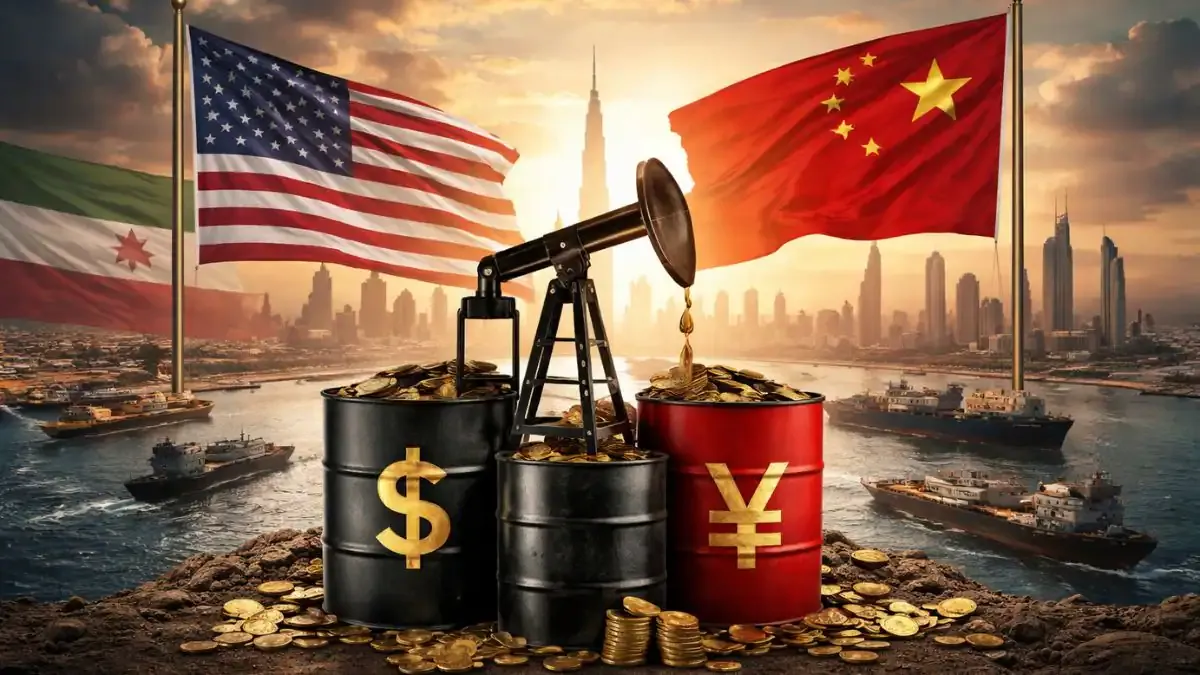
US Dollar's Global Role Faces Challenges Amid West Asia Tensions and Petrodollar Shifts
The US dollar's dominance as the global reserve currency, established post-World War II and reinforced by the Bretton Woods system, is facing new challenges amid geopolitical tensions in West Asia. The United Arab Emirates has signaled potential consideration of alternative currencies like the Chinese yuan for oil trade if dollar liquidity tightens. This development reflects broader questions about the petrodollar system's future, rooted in historical agreements linking oil sales to the US dollar since the 1970s.
Political Bias
5%93%2%
Sentiment
52%
AI Analysis
Political bias across 2 sources
● Left 5%● Center 93%● Right 2%
The articles present a historical and economic perspective on the US dollar's global status without partisan framing. They include viewpoints on geopolitical tensions affecting currency dynamics, highlighting both US financial policies and Gulf states' responses. The coverage balances US-centric historical context with emerging signals from Gulf economies, reflecting a neutral stance on international economic shifts.
Sentiment — Neutral (52/100)
The tone across the articles is analytical and neutral, focusing on factual recounting of historical events and current developments. There is no overtly positive or negative sentiment toward any actor; instead, the coverage emphasizes the complexity and evolving nature of global currency systems amid geopolitical pressures.
How 2 sources covered this story
Each source's own headline, political lean, and sentiment — so you can see framing differences at a glance.
| Source | Their headline | Bias | Sentiment |
|---|---|---|---|
| economictimes | The dollar is dead, long live the dollar! - The Economic Times | Center | Neutral |
| firstpost | The petrodollar explained: How the Iran war is testing a 50-year system | Center | Neutral |
Coverage timeline
firstpost broke this story on 20 Apr, 09:17 am. Other outlets followed.
- 1firstpost20 Apr, 09:17 amThe petrodollar explained: How the Iran war is testing a 50-year system
- 2economictimes20 Apr, 05:19 pmThe dollar is dead, long live the dollar! - The Economic Times
Lens Score breakdown
21/100
Public interest0/100
Coverage gap100%
Well-covered story — coverage matches public importance.
Story context
- Category
- Business
- Location
- Iran
- Sources analysed
- 2
- Last analysed
- 20 Apr 2026
- Key entities
- CurrencyUnited States dollarChinaNixon shockUnited StatesSaudi ArabiaReserve currencyPetrodollar recyclingGlobal financial systemPetroleumIranUnited Arab Emirates
Related Coverage
Select a news story to see related coverage from other media outlets.