2 hours agoBusiness
34LENS
4 SourcesIndia
 thebalanced.news
India's Insolvency and Bankruptcy Code: A Decade of Reform and Ongoing Challenges
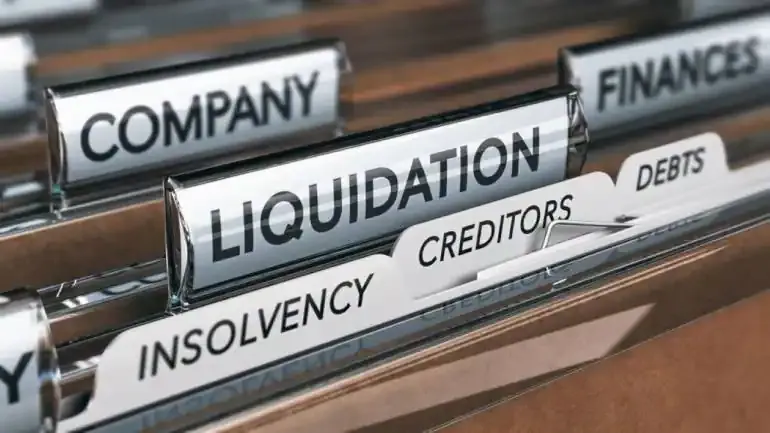
A decade after the Insolvency and Bankruptcy Code (IBC) was enacted in 2016, India has transformed its insolvency framework by consolidating laws, setting time limits, and shifting focus from liquidation to corporate rescue. While the IBC has resolved over 1,300 cases, concerns remain about asset concentration among major conglomerates acquiring distressed firms at steep discounts. The government is consulting on new group and cross-border insolvency rules to enhance efficiency and address complex cases, with further parliamentary review pending.
Political Bias
18%77%5%
Sentiment
60%
AI Analysis
Political bias across 4 sources
● Left 18%● Center 77%● Right 5%
The article group presents a range of perspectives including government initiatives to strengthen insolvency laws and critiques highlighting asset concentration among large conglomerates. Sources emphasize both achievements in legal reforms and concerns about market dominance, reflecting a balanced view without partisan framing. The coverage includes official policy developments and independent analyses, representing multiple stakeholder viewpoints.
Sentiment — Neutral (60/100)
The overall tone is mixed, acknowledging significant progress in India's insolvency framework while also pointing out challenges such as asset concentration and the complexity of new insolvency provisions. The sentiment balances optimism about reforms and efficiency gains with caution regarding market impacts and the need for further consultation and legislative action.
How 4 sources covered this story
Each source's own headline, political lean, and sentiment — so you can see framing differences at a glance.
| Source | Their headline | Bias | Sentiment |
|---|---|---|---|
| moneycontrol | India's Insolvency Revolution: A decade of the IBC and the road ahead | Center | Positive |
| moneycontrol | India's Insolvency Revolution: A decade of the IBC and the road ahead | Center | Positive |
| mint | Bigwigs walk away with bankrupt assets. Is there a different way? Mint | Center | Neutral |
| mint | Govt to hold wider consultation for group, cross-border insolvency rules Today News | Center | Neutral |
Coverage timeline
mint broke this story on 20 Apr, 02:42 pm. Other outlets followed.
- 1mint20 Apr, 02:42 pmGovt to hold wider consultation for group, cross-border insolvency rules Today News
- 2mint21 Apr, 04:14 amBigwigs walk away with bankrupt assets. Is there a different way? Mint
- 3moneycontrol21 Apr, 08:31 amIndia's Insolvency Revolution: A decade of the IBC and the road ahead
- 4moneycontrol21 Apr, 08:31 amIndia's Insolvency Revolution: A decade of the IBC and the road ahead
Lens Score breakdown
34/100
Public interest0/100
Coverage gap90%
Well-covered story — coverage matches public importance.
Who's involved
Institutions and figures named across source coverage.
Government
ParliamentCorporate Affairs MinistryNational Company Law TribunalInsolvency and Bankruptcy Board of IndiaNational Company Law Appellate TribunalCentral GovernmentCompetition Commission of India
Corporate
JSW GroupReliance IndustriesTata GroupHanwha GroupAdani GroupArcelorMittalGrant Thornton Bharat LLPShardul Amarchand Mangaldas Co.Scheduled Commercial Banks
Judiciary
National Company Law TribunalDutch Bankruptcy CourtSupreme CourtNational Company Law Appellate Tribunal
Story context
- Category
- Business
- Location
- India
- Sources analysed
- 4
- Last analysed
- 21 Apr 2026
- Key entities
- Insolvency and Bankruptcy Code, 2016Intercontinental Broadcasting CorporationLiquidationIndiaInsolvencyCreditorNational Company Law TribunalEssar SteelBankruptcyStakeholder (corporate)Default (finance)Bank
Related Coverage
Select a news story to see related coverage from other media outlets.