1 hour agoBusiness
28LENS
2 SourcesIran
 thebalanced.news
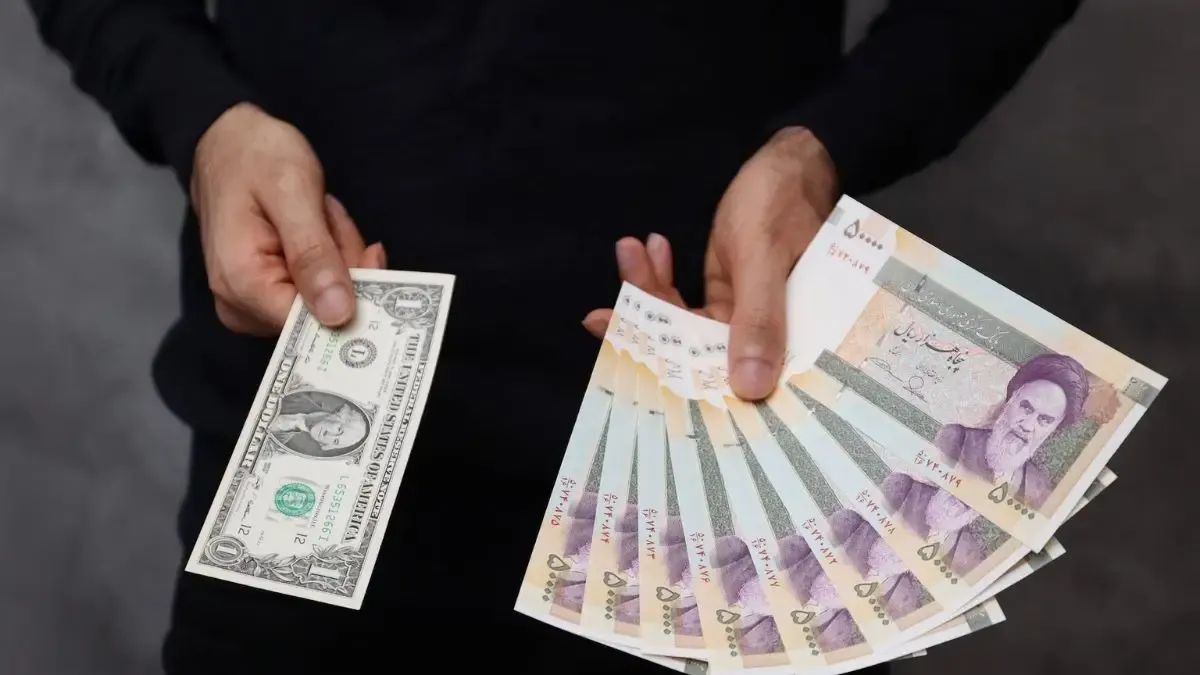
Iran's Rial Drops to Record Low Amid Post-Conflict Economic Strain
Iran's national currency, the rial, fell to a historic low of 1.8 million against the US dollar amid ongoing tensions following the conflict that began on February 28, 2024. Despite a ceasefire brokered on April 8, a US naval blockade has restricted Iran's oil exports, weakening foreign currency reserves. The sharp currency decline has led to rising prices for essential goods, raising concerns about potential hyperinflation and civil unrest similar to the 2026 currency crisis.
Political Bias
0%100%0%
Sentiment
28%
AI Analysis
Political bias across 2 sources
● Left 0%● Center 100%● Right 0%
The articles present perspectives focused on economic impacts of the conflict and ceasefire without overt political framing. They highlight the effects of US naval blockade and ongoing tensions involving Tehran, Washington, and Tel Aviv. Coverage includes government and market observations but avoids partisan commentary, reflecting a primarily factual approach to the currency crisis.
Sentiment — Negative (28/100)
The overall tone is cautious and concerned, emphasizing economic hardship and potential social unrest due to the currency's sharp decline. While the ceasefire is noted, the focus remains on negative economic consequences and rising prices, resulting in a predominantly serious and somber sentiment across the articles.
How 2 sources covered this story
Each source's own headline, political lean, and sentiment — so you can see framing differences at a glance.
| Source | Their headline | Bias | Sentiment |
|---|---|---|---|
| republicworld | Iran Currency Crisis: Rial Hits 1.8 Million vs US Dollar Republic World | Center | Negative |
| timesnow | Iran's Rial Hits Record Low Of 1.8 Million Against US Dollar | Center | Negative |
Coverage timeline
timesnow broke this story on 29 Apr, 10:57 am. Other outlets followed.
- 1timesnow29 Apr, 10:57 amIran's Rial Hits Record Low Of 1.8 Million Against US Dollar
- 2republicworld29 Apr, 12:49 pmIran Currency Crisis: Rial Hits 1.8 Million vs US Dollar Republic World
Lens Score breakdown
28/100
Public interest0/100
Coverage gap100%
Well-covered story — coverage matches public importance.
Story context
- Category
- Business
- Location
- Iran
- Sources analysed
- 2
- Last analysed
- 29 Apr 2026
- Key entities
- Iranian rialUnited States dollarIranFiat moneyCurrencyIranian Students' News AgencyCeasefireBlockadeWarWashington, D.C.Tel AvivTehran
Related Coverage
Select a news story to see related coverage from other media outlets.