3 hours agoBusiness
25LENS
5 SourcesMumbai, India
 thebalanced.news
Iran Conflict Disrupts Global Oil Supply Despite Strait of Hormuz Reopening
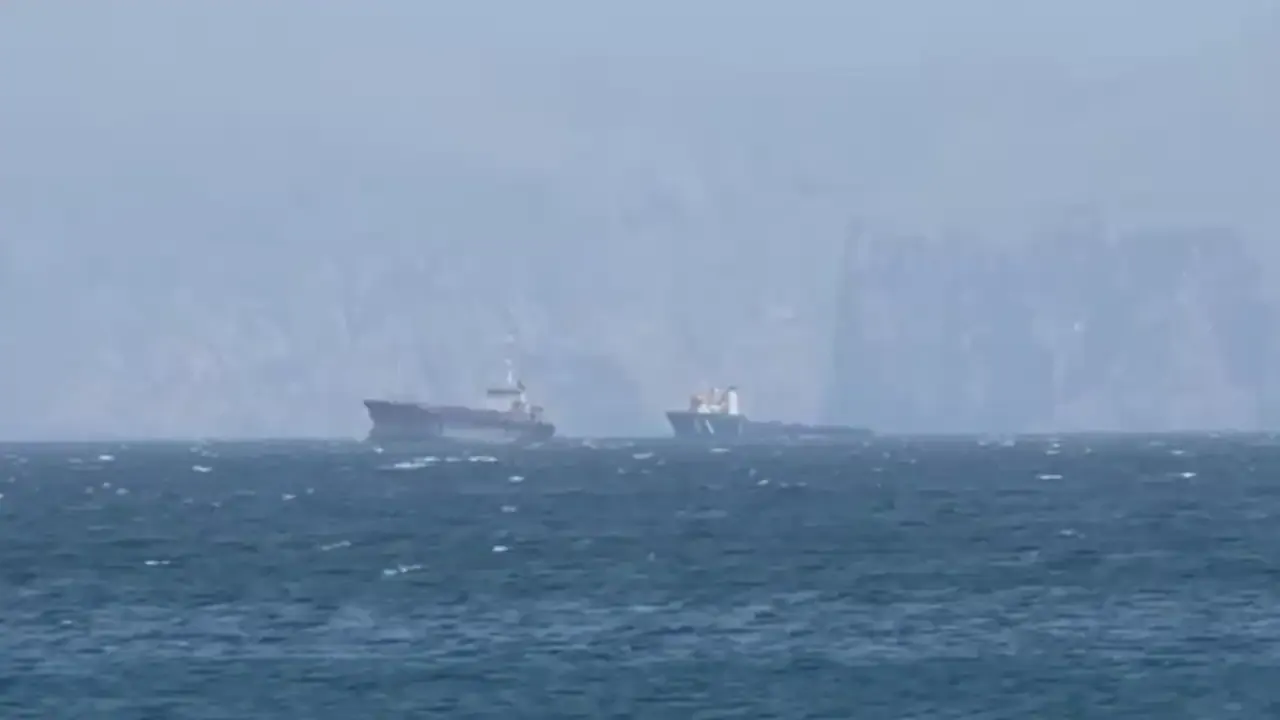
The Iran conflict has disrupted global oil supplies, with over 500 million barrels lost in nearly 50 days, causing an estimated $50 billion impact. Although the Strait of Hormuz has reportedly reopened following a ceasefire, supply chains face delays due to damaged infrastructure, cautious shipping and energy companies, and logistical challenges. Markets may react quickly to positive news, but physical oil prices and production recovery are expected to remain elevated and slow, with broader economic effects anticipated.
Political Bias
6%91%3%
Sentiment
35%
AI Analysis
Political bias across 5 sources
● Left 6%● Center 91%● Right 3%
The article group presents multiple perspectives including official statements from Iranian and US leaders, industry analysts, and market observers. Coverage balances government optimism about a ceasefire and reopening of the Strait of Hormuz with cautious views from energy experts highlighting ongoing risks and delays. The sources collectively frame the situation as complex, avoiding partisan framing and emphasizing factual developments and economic implications.
Sentiment — Neutral (35/100)
The overall tone is cautiously realistic, combining hopeful signals about conflict de-escalation with warnings about persistent supply disruptions and economic challenges. While some articles note positive market reactions, most emphasize ongoing uncertainties, logistical hurdles, and the slow pace of recovery, resulting in a mixed but measured sentiment that reflects both optimism and concern.
How 3 sources covered this story
Each source's own headline, political lean, and sentiment — so you can see framing differences at a glance.
| Source | Their headline | Bias | Sentiment |
|---|---|---|---|
| freepressjournal | Why Oil May Stay Costly Even If Strait Of Hormuz Reopens? Supply Delays Risk Factors Could Keep Prices Elevated For Weeks | Center | Neutral |
| moneycontrol | Why reopening the Strait of Hormuz won't bring oil prices down anytime soon- Moneycontrol.com | Center | Neutral |
| thetelegraph | How 50 days of the Israel-Iran war led to the loss of 50 billion worth of crude oil | Center | Negative |
Coverage timeline
thetelegraph broke this story on 19 Apr, 08:10 am. Other outlets followed.
- 1thetelegraph19 Apr, 08:10 amHow 50 days of the Israel-Iran war led to the loss of 50 billion worth of crude oil
- 2moneycontrol19 Apr, 08:17 amWhy reopening the Strait of Hormuz won't bring oil prices down anytime soon- Moneycontrol.com
- 3freepressjournal19 Apr, 01:01 pmWhy Oil May Stay Costly Even If Strait Of Hormuz Reopens? Supply Delays Risk Factors Could Keep Prices Elevated For Weeks
Lens Score breakdown
25/100
Public interest0/100
Coverage gap90%
Well-covered story — coverage matches public importance.
Who's involved
Institutions and figures named across source coverage.
Government
Iranian Foreign MinistryUnited States Presidency
Corporate
ChevronExxon Mobil
Story context
- Category
- Business
- Location
- Mumbai, India
- Sources analysed
- 5
- Last analysed
- 20 Apr 2026
- Key entities
- Strait of HormuzPetroleumIranUnited StatesSupply chainFossil fuelOil refineryEuropeJet fuelTanker (ship)Price of oilBarrel (unit)
Related Coverage
Select a news story to see related coverage from other media outlets.