2 hours agoBusiness
26LENS
4 SourcesMumbai, India
 thebalanced.news
Widespread Heat Stress in India Impacts Outdoor Workers and Raises Health Concerns
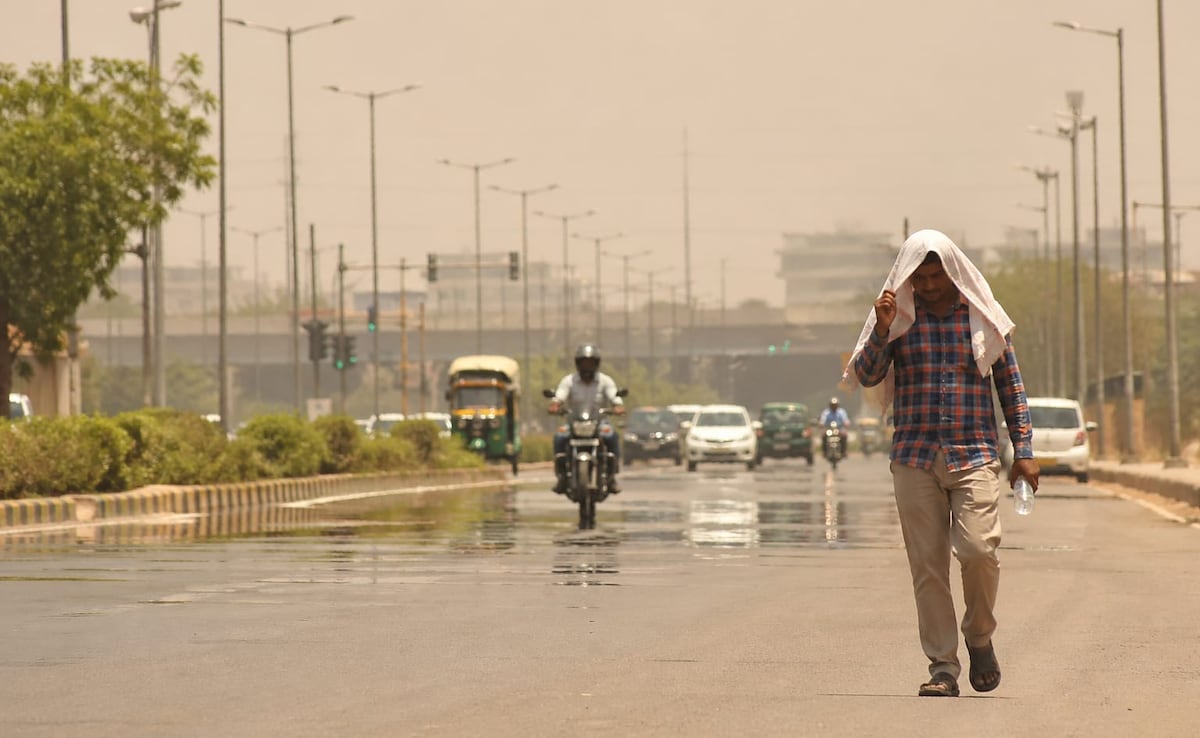
India faces widespread heat risks, with 57% of districts and 76% of the population exposed to high-to-very high heat stress, affecting outdoor workers' health and productivity. Experts highlight that heat stress depends on temperature, humidity, and other factors, not just heat alone. Gig workers in Maharashtra endure intense heat during long shifts, facing challenges like limited breaks and increased hydration costs. Urbanization and rising warm nights exacerbate health risks, prompting calls for adaptive measures like heat insurance and better labor protections.
Political Bias
22%74%4%
Sentiment
50%
AI Analysis
Political bias across 4 sources
● Left 22%● Center 74%● Right 4%
The articles collectively present a range of perspectives focusing on environmental, labor, and health issues related to heat stress in India. They include expert analyses on climate risks, government data on temperature trends, and firsthand accounts from gig economy workers. The coverage balances scientific explanations with social and economic impacts without endorsing specific political agendas or policies.
Sentiment — Neutral (50/100)
The overall tone is serious and concerned, emphasizing the health and economic challenges posed by rising heat stress. While highlighting difficulties faced by vulnerable workers, the articles also discuss potential solutions like heat insurance. The sentiment is largely neutral to cautionary, aiming to inform readers about the risks and lived experiences without sensationalism.
How 4 sources covered this story
Each source's own headline, political lean, and sentiment — so you can see framing differences at a glance.
| Source | Their headline | Bias | Sentiment |
|---|---|---|---|
| moneycontrol | How heat-linked insurance opens a 194-billion opportunity in India- Moneycontrol.com | Center | Positive |
| theprint | Heat stress is not a temperature. India needs to learn that | Center | Neutral |
| indianexpress | 'Algorithms can't understand our pain': How Maharashtra's gig workers survive the heat wave | Left | Negative |
| ndtv | Explained: How 'Heat Insurance' Can Help 76 Indians Exposed To Risk | Center | Neutral |
Coverage timeline
ndtv broke this story on 12 May, 09:34 am. Other outlets followed.
- 1ndtv12 May, 09:34 amExplained: How 'Heat Insurance' Can Help 76 Indians Exposed To Risk
- 2indianexpress13 May, 01:54 am'Algorithms can't understand our pain': How Maharashtra's gig workers survive the heat wave
- 3theprint13 May, 06:44 amHeat stress is not a temperature. India needs to learn that
- 4moneycontrol13 May, 07:21 amHow heat-linked insurance opens a 194-billion opportunity in India- Moneycontrol.com
Lens Score breakdown
26/100
Public interest0/100
Coverage gap90%
Well-covered story — coverage matches public importance.
Who's involved
Institutions and figures named across source coverage.
Government
National Disaster Management AuthorityMaharashtra Government
Corporate
ZomatoSwiggyBlinkit
Story context
- Category
- Business
- Location
- Mumbai, India
- Sources analysed
- 4
- Last analysed
- 13 May 2026
- Key entities
- InsuranceIndiaHyperthermiaHeat waveProductivityLogisticsAgricultureMumbaiDelhiHumidityTemperatureAir conditioning
Related Coverage
Select a news story to see related coverage from other media outlets.