16 hours agoBusiness
34LENS
3 SourcesIndia
 thebalanced.news
Rising Global Food Prices and Inflation Drive FMCG Cost Pressures and Anticipated Price Hikes
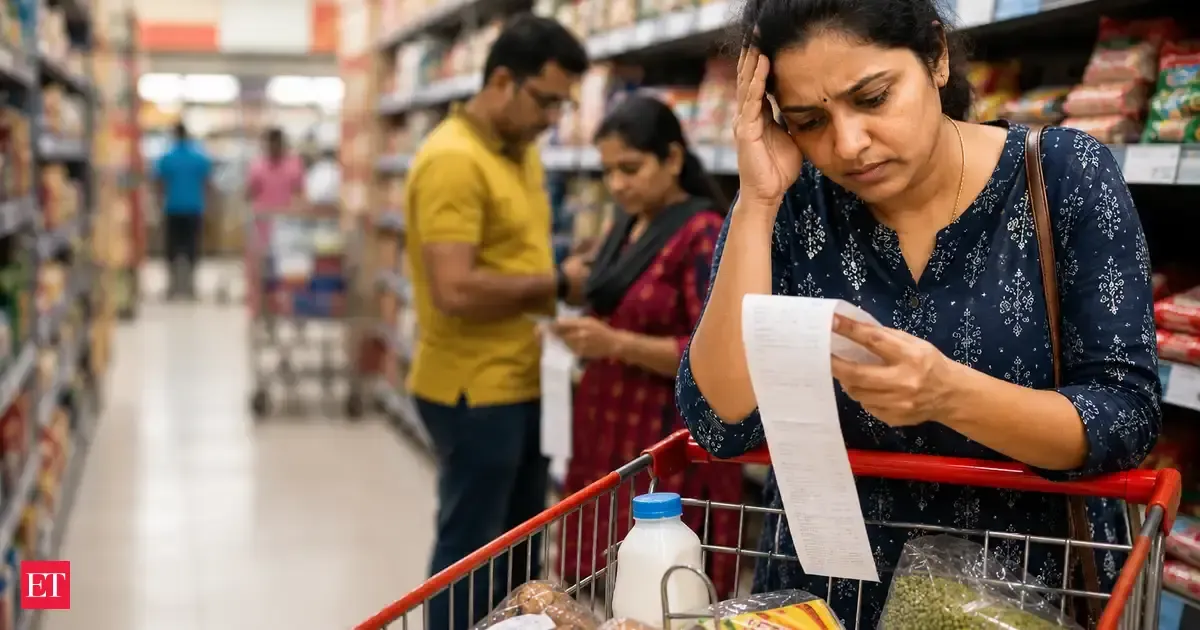
Global food prices have reached a three-year high due to supply chain disruptions caused by the ongoing Iran war, particularly affecting vegetable oils, meat, and cereals. This has led to rising input costs for Indian FMCG companies like Dabur India and HUL, which are anticipating further price hikes in the coming quarters amid persistent inflationary pressures, especially in packaging materials. While demand is recovering, inflation remains a significant challenge for consumers and producers alike.
Political Bias
0%100%0%
Sentiment
33%
AI Analysis
Political bias across 3 sources
● Left 0%● Center 100%● Right 0%
The articles present economic and supply chain impacts without political commentary, focusing on inflation and market responses. They include perspectives from corporate executives and international organizations like the UN, maintaining a neutral stance on geopolitical events such as the Iran war, without attributing blame or political analysis.
Sentiment — Negative (33/100)
The overall tone is cautiously concerned, highlighting rising costs and inflationary pressures affecting both global markets and domestic FMCG sectors. While acknowledging improving demand and volume growth, the coverage emphasizes challenges ahead, resulting in a mixed but predominantly cautious sentiment.
How 3 sources covered this story
Each source's own headline, political lean, and sentiment — so you can see framing differences at a glance.
| Source | Their headline | Bias | Sentiment |
|---|---|---|---|
| moneycontrol | Food prices rise to highest in three years on Iran war costs- Moneycontrol.com | Center | Negative |
| economictimes | From soaps to biscuits, your grocery bill may be headed higher again | Center | Neutral |
| businessstandard | Global food prices hit 3-year high as Iran war disrupts supply chains | Center | Negative |
Coverage timeline
businessstandard broke this story on 8 May, 08:36 am. Other outlets followed.
- 1businessstandard8 May, 08:36 amGlobal food prices hit 3-year high as Iran war disrupts supply chains
- 2economictimes8 May, 09:01 amFrom soaps to biscuits, your grocery bill may be headed higher again
- 3moneycontrol8 May, 09:36 amFood prices rise to highest in three years on Iran war costs- Moneycontrol.com
Lens Score breakdown
34/100
Public interest0/100
Coverage gap100%
Well-covered story — coverage matches public importance.
Who's involved
Institutions and figures named across source coverage.
Corporate
ITCBritannia IndustriesHindustan UnileverGodrej Consumer ProductsDabur IndiaMaricoNestle India
Story context
- Category
- Business
- Location
- India
- Sources analysed
- 3
- Last analysed
- 8 May 2026
- Key entities
- CommodityDiesel fuelIranStrait of HormuzInflationIndiaPetroleumPrice of oilWestern AsiaFood pricesSupply chainVegetable oil
Related Coverage
Select a news story to see related coverage from other media outlets.