1 hour agoBusiness
22LENS
3 SourcesLondon, United Kingdom
 thebalanced.news
Comparing Indian Rupee Purchasing Power Against US Dollar and Euro
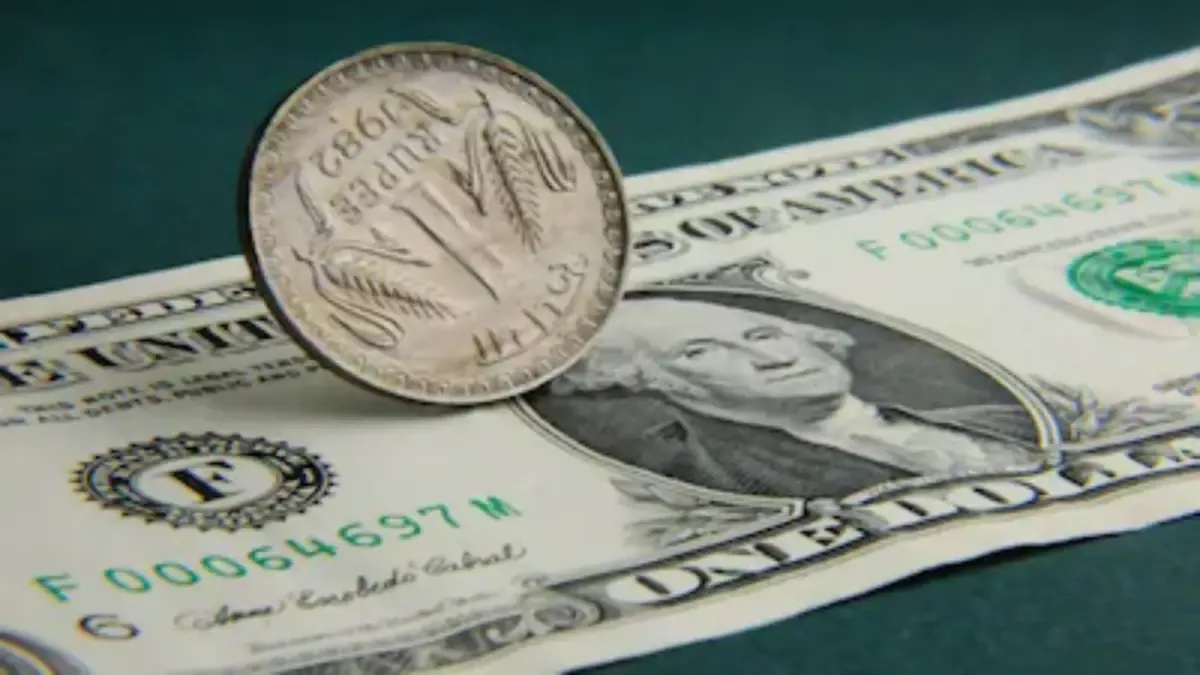
The articles compare the purchasing power of the Indian Rupee against the US Dollar and Euro, highlighting that Rs 100 and Rs 1000 convert to roughly 1-1.2 USD and 11-12 euros respectively but buy significantly less in the US and Europe due to higher living costs. In India, these amounts can cover meals, groceries, or transport, reflecting lower prices and greater real value despite exchange rates. Variations exist within regions of the US and Europe, affecting spending capacity.
Political Bias
0%100%0%
Sentiment
52%
AI Analysis
Political bias across 3 sources
● Left 0%● Center 100%● Right 0%
The articles present an economic comparison without political framing, focusing on currency value and cost of living differences between India, the US, and Europe. They reflect a neutral perspective emphasizing factual purchasing power disparities without attributing causes to policy or political factors, thus representing an economic viewpoint rather than political narratives.
Sentiment — Neutral (52/100)
The tone across the articles is neutral and informative, aiming to explain purchasing power differences without positive or negative judgment. The coverage is factual, highlighting practical implications for consumers but avoiding emotional language or value-laden commentary, resulting in a balanced and explanatory sentiment.
How 3 sources covered this story
Each source's own headline, political lean, and sentiment — so you can see framing differences at a glance.
| Source | Their headline | Bias | Sentiment |
|---|---|---|---|
| news18 | Indian Rupee vs UK Pound What Rs 100 Gets You in London vs India | Center | Neutral |
| news18 | Indian Rupee Vs Euro: What Rs 1000 Actually Feels Like In Europe | Center | Neutral |
| news18 | Indian Rupee vs US Dollar, what Rs 100 can buy in India and the US | Center | Neutral |
Coverage timeline
news18 broke this story on 18 Apr, 10:24 am. Other outlets followed.
- 1news1818 Apr, 10:24 amIndian Rupee vs US Dollar, what Rs 100 can buy in India and the US
- 2news1818 Apr, 12:03 pmIndian Rupee Vs Euro: What Rs 1000 Actually Feels Like In Europe
- 3news1818 Apr, 01:17 pmIndian Rupee vs UK Pound What Rs 100 Gets You in London vs India
Lens Score breakdown
22/100
Public interest0/100
Coverage gap100%
Well-covered story — coverage matches public importance.
Story context
- Category
- Business
- Location
- London, United Kingdom
- Sources analysed
- 3
- Last analysed
- 18 Apr 2026
- Key entities
- Indian rupeeIndiaCoffeeExchange rateStreet foodSandwichUnited States dollarChocolate barSupermarketFruitSan FranciscoNew York City
Related Coverage
Select a news story to see related coverage from other media outlets.