45 days agoBusiness
32LENS
49 SourcesNew Delhi, India
 thebalanced.news
India Raises Premium Petrol Prices by Up to Rs 2.35 Amid Global Oil Price Surge
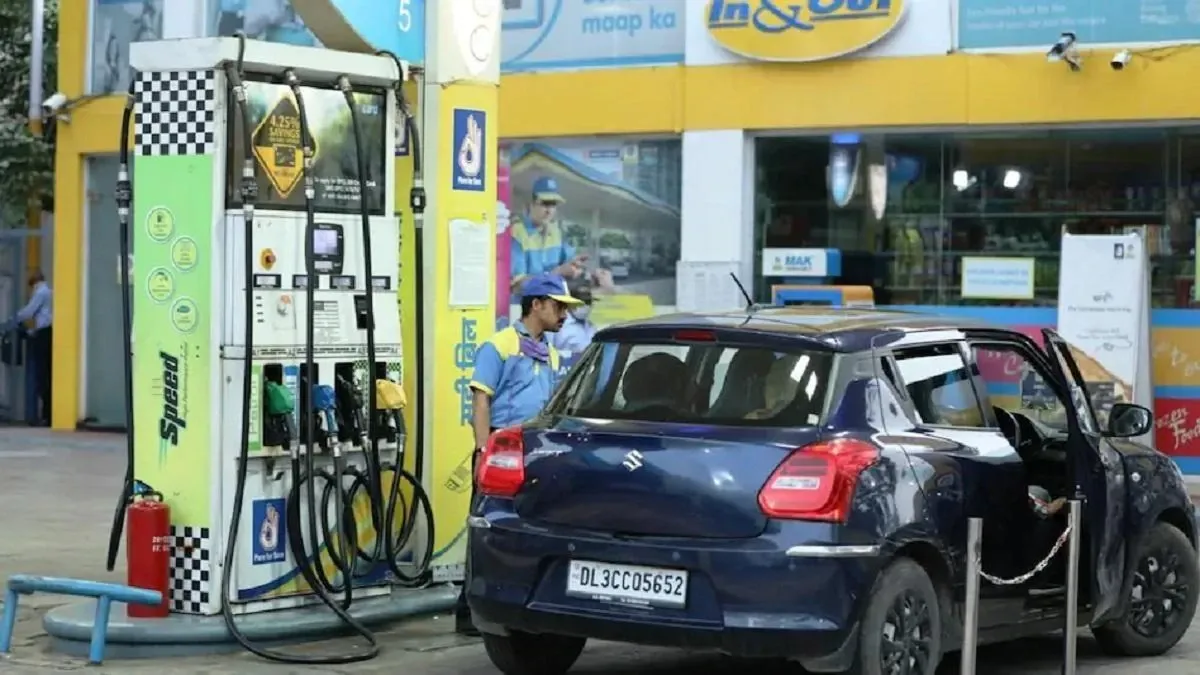
On March 20, Indian oil marketing companies raised premium petrol prices by Rs 2 to Rs 2.35 per litre amid rising global crude oil prices driven by escalating tensions in West Asia, particularly the US-Israel-Iran conflict disrupting supply routes like the Strait of Hormuz. The hike affects high-octane fuels such as BPCL's Speed, HPCL's Power, and IOCL's XP95, while regular petrol and diesel prices remain unchanged. Officials emphasized that premium petrol accounts for a small share of consumption, limiting the impact on most consumers. Industrial diesel prices also saw a significant increase. The government and companies continue to monitor supply and pricing closely amid ongoing geopolitical uncertainties.
Political Bias
6%91%3%
Sentiment
42%
AI Analysis
Political bias across 49 sources
● Left 6%● Center 91%● Right 3%
The article group presents a range of perspectives primarily from government officials, oil marketing companies, and industry analysts, focusing on factual reporting of price changes and their causes. The coverage includes official reassurances about stable regular fuel prices and supply, alongside explanations linking the hike to geopolitical tensions. Opposition or consumer advocacy viewpoints are not prominently featured, resulting in a largely institutional and market-centered framing without partisan commentary.
Sentiment — Neutral (42/100)
The overall tone across the articles is neutral to mildly concerned, reflecting the factual nature of the price hike amid geopolitical instability. While the increase in premium petrol and industrial diesel prices is noted, the emphasis on unchanged regular fuel prices and government assurances tempers potential negative sentiment. Investor reactions and market impacts are mentioned positively, but consumer impact is portrayed as limited, resulting in a balanced sentiment mix without overt alarm or optimism.
How 15 sources covered this story
Each source's own headline, political lean, and sentiment — so you can see framing differences at a glance.
Coverage timeline
news18 broke this story on 20 Mar, 02:44 pm. Other outlets followed.
- 1news1820 Mar, 02:44 pmIndianOil limits price hike to premium XP-95 petrol amid global crude surge
- 2timesnow20 Mar, 03:17 pmIndustrial Diesel Jumps Rs 22: Will Fuel Costs Rise in Delhi, Mumbai, Kolkata, Chennai?
- 3thefinancialexpress20 Mar, 03:18 pmIndian Oil hikes XP-95 petrol price by 2 per litre, says 'revision only applies to premium petrol'
- 4thestatesman20 Mar, 03:24 pmNo price increase on regular petrol, significant reduction in panic booking of LPG cylinders: Govt
- 5scrollin20 Mar, 03:31 pmPrice of premium petrol rises to Rs 2 per litre amid conflict in West Asia
- 6thehindu20 Mar, 03:43 pmPremium petrol price hike pinches Bengaluru motorists, crosses 112 per litre
- 7thehindu20 Mar, 04:56 pmPrice of premium petrol up 2 per litre, government says no impact on common man
- 8businessstandard20 Mar, 06:14 pmHigher-grade fuel gets costlier amid spike in oil prices; OMCs hike rates
- 9thetribune20 Mar, 08:37 pmWar shock: Premium petrol hiked by Rs 2 litre, industrial diesel Rs 22 - The Tribune
- 10economictimes21 Mar, 12:38 amIndustrial diesel gets costlier by Rs 22 litre amid Iran war
Lens Score breakdown
32/100
Public interest0/100
Coverage gap100%
Well-covered story — coverage matches public importance.
Who's involved
Institutions and figures named across source coverage.
Corporate
Indian OilHindustan PetroleumHPCLIOCL
Story context
- Category
- Business
- Location
- New Delhi, India
- Sources analysed
- 49
- Last analysed
- 21 Mar 2026
- Key entities
- GasolineIndian rupeePetroleumIndiaDiesel fuelIranPrice of oilIndian Oil CorporationHindustan PetroleumWestern AsiaStrait of HormuzBarrel (unit)
Related Coverage
Select a news story to see related coverage from other media outlets.