2 hours agoBusiness
22LENS
2 SourcesIndia
 thebalanced.news
India's Labour Market Faces Low Productivity and Employment Quality Challenges
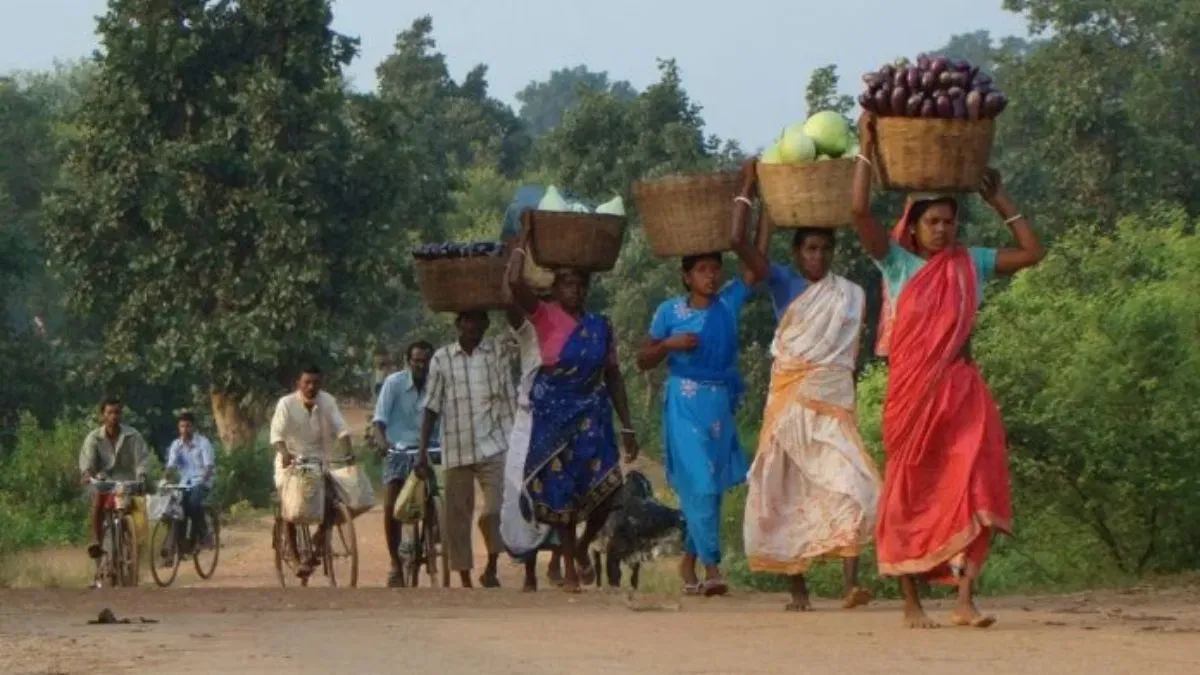
India's workforce faces challenges of low productivity and structural imbalances, with a large share employed in agriculture and informal sectors despite limited contribution to GDP. The transition to formal salaried employment remains incomplete, and job quality concerns persist, including a decline in top-level positions and rising unemployment among educated workers. Labour force participation has increased recently, but issues of employability and occupation patterns continue to affect overall labour market outcomes.
Political Bias
30%62%8%
Sentiment
48%
AI Analysis
Political bias across 2 sources
● Left 30%● Center 62%● Right 8%
The articles present a largely economic and structural analysis of India's labour market without explicit political framing. They focus on data and trends related to employment sectors, labour force participation, and job quality, reflecting perspectives from economic research and policy analysis rather than partisan viewpoints. Both sources emphasize systemic challenges rather than attributing causes to specific political actors.
Sentiment — Neutral (48/100)
The overall tone is analytical and cautious, highlighting persistent problems such as informal employment, low productivity, and unemployment among educated workers. While recent improvements in labour force participation and job creation are noted, the coverage remains critical of ongoing structural issues, resulting in a mixed but predominantly concerned sentiment.
How 2 sources covered this story
Each source's own headline, political lean, and sentiment — so you can see framing differences at a glance.
| Source | Their headline | Bias | Sentiment |
|---|---|---|---|
| thefinancialexpress | Quantity over quality | Center | Neutral |
| theprint | India's workforce is stuck in low productivity. Here's what must change | Center | Neutral |
Coverage timeline
theprint broke this story on 1 May, 08:46 am. Other outlets followed.
- 1theprint1 May, 08:46 amIndia's workforce is stuck in low productivity. Here's what must change
- 2thefinancialexpress1 May, 05:16 pmQuantity over quality
Lens Score breakdown
22/100
Public interest0/100
Coverage gap100%
Well-covered story — coverage matches public importance.
Who's involved
Institutions and figures named across source coverage.
Government
Labour Ministry
Story context
- Category
- Business
- Location
- India
- Sources analysed
- 2
- Last analysed
- 1 May 2026
- Key entities
- Labour Party (UK)AgricultureIndiaSelf-employmentWorkforceProductivityGross value addedLabour economicsGross domestic productWorkforce productivityPer capita incomeGovernor
Related Coverage
Select a news story to see related coverage from other media outlets.