2 hours agoBusiness
30LENS
2 SourcesDehradun, India
 thebalanced.news
Delhi-Dehradun Expressway Opens, Cutting Travel Time and Introducing Toll System
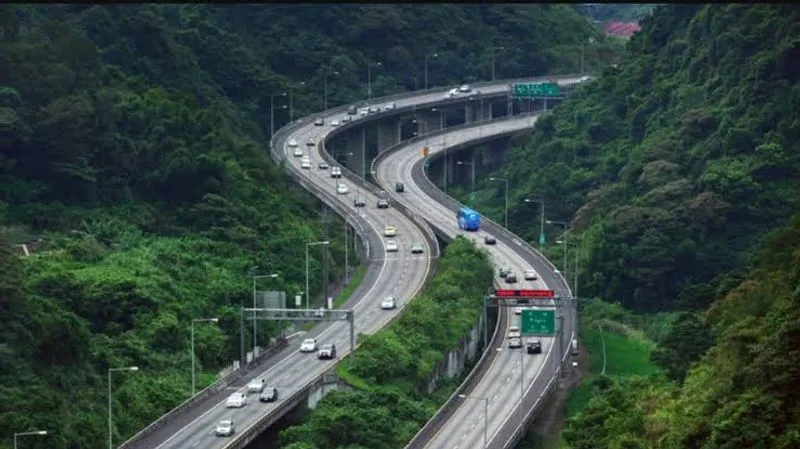
The newly inaugurated Delhi-Dehradun Expressway spans approximately 213 kilometers, reducing travel time between the two cities from over six hours to about 2.5 hours. This six-lane corridor, designed for speeds up to 100 kmph, passes through key districts in Uttar Pradesh and Uttarakhand, including a 12-kilometer elevated stretch over Rajaji National Park to protect wildlife. The expressway features five toll plazas with a one-way car toll of around Rs 675, supports FASTag payments, and includes multiple entry and exit points to improve regional connectivity.
Political Bias
0%100%0%
Sentiment
70%
AI Analysis
Political bias across 2 sources
● Left 0%● Center 100%● Right 0%
The articles present a largely factual account of the expressway's inauguration and features, focusing on infrastructure development and environmental considerations. Both sources highlight government involvement through Prime Minister Modi's inauguration, with no overt political critique or opposition viewpoints. The coverage centers on technical details and user information, reflecting a neutral stance without partisan framing.
Sentiment — Positive (70/100)
The overall tone across the articles is positive, emphasizing the expressway's benefits such as reduced travel time, improved connectivity, and wildlife protection measures. While some practical details like incomplete amenities are noted, the sentiment remains constructive and informative, avoiding negative or sensational language.
How 2 sources covered this story
Each source's own headline, political lean, and sentiment — so you can see framing differences at a glance.
| Source | Their headline | Bias | Sentiment |
|---|---|---|---|
| thetribune | Delhi to Dehradun in 2.5 hours: Tolls, passes and route guide to Char Dham - The Tribune | Center | Positive |
| ndtv | Delhi-Dehradun Eway: Breaking Down Toll Charges; Does FASTag Annual Pass Work? | Center | Neutral |
Coverage timeline
ndtv broke this story on 21 Apr, 09:24 am. Other outlets followed.
- 1ndtv21 Apr, 09:24 amDelhi-Dehradun Eway: Breaking Down Toll Charges; Does FASTag Annual Pass Work?
- 2thetribune21 Apr, 09:41 amDelhi to Dehradun in 2.5 hours: Tolls, passes and route guide to Char Dham - The Tribune
Lens Score breakdown
30/100
Public interest0/100
Coverage gap100%
Well-covered story — coverage matches public importance.
Who's involved
Institutions and figures named across source coverage.
Government
National Highway Authority of IndiaNational Highways Authority of India
Story context
- Category
- Business
- Location
- Dehradun, India
- Sources analysed
- 2
- Last analysed
- 21 Apr 2026
- Key entities
- DehradunDelhiControlled-access highwayUttarakhandDelhi–Meerut ExpresswayIndian rupeeToll roadNarendra ModiBaghpatSaharanpurShamliUttar Pradesh
Related Coverage
Select a news story to see related coverage from other media outlets.