1 hour agoBusiness
34LENS
2 SourcesRussia
 thebalanced.news
US Allows Russian Oil Sanctions Waiver to Expire Amid Global Energy Concerns
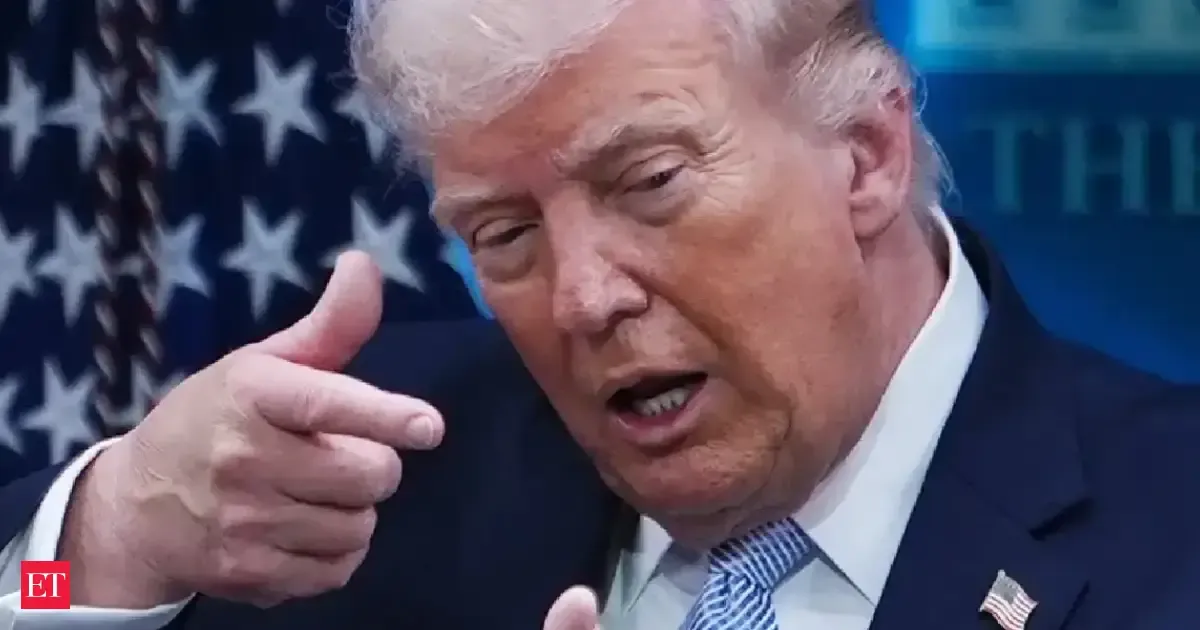
The Trump administration allowed a sanctions waiver permitting purchases of certain Russian seaborne crude oil to expire amid concerns over global oil supply disruptions linked to the Iran war and the Strait of Hormuz blockade. The waiver had enabled countries like India, a major consumer of Russian crude, to legally import oil despite sanctions. While some officials cited the waiver as necessary for energy market stability, critics, including US senators, argued it funded Russia's military actions in Ukraine without reducing fuel prices. The expiration raises challenges for nations reliant on Russian oil amid ongoing geopolitical tensions.
Political Bias
20%70%10%
Sentiment
42%
AI Analysis
Political bias across 2 sources
● Left 20%● Center 70%● Right 10%
The articles present multiple perspectives, including the US administration's rationale for the waiver's expiration to maintain energy market stability and the criticism from US senators highlighting concerns over funding Russia's military. Indian interests are noted regarding reliance on Russian crude. The coverage balances government policy explanations with opposition viewpoints and international implications without favoring any side.
Sentiment — Neutral (42/100)
The overall tone is mixed, reflecting both pragmatic considerations of energy supply challenges and critical views on the waiver's impact on funding conflict. The articles convey concern about rising fuel costs and geopolitical risks while acknowledging the complexity of balancing sanctions enforcement with global market stability.
How 2 sources covered this story
Each source's own headline, political lean, and sentiment — so you can see framing differences at a glance.
| Source | Their headline | Bias | Sentiment |
|---|---|---|---|
| firstpost | US let Russian oil waiver expire. Why is it bad news for India? | Center | Neutral |
| economictimes | Iran war: Trump administration allows Russia oil sales waiver to expire despite tight market | Center | Neutral |
Coverage timeline
economictimes broke this story on 16 May, 05:35 pm. Other outlets followed.
- 1economictimes16 May, 05:35 pmIran war: Trump administration allows Russia oil sales waiver to expire despite tight market
- 2firstpost17 May, 07:06 amUS let Russian oil waiver expire. Why is it bad news for India?
Lens Score breakdown
34/100
Public interest0/100
Coverage gap100%
Well-covered story — coverage matches public importance.
Who's involved
Institutions and figures named across source coverage.
Government
International Energy AgencyUS Treasury DepartmentWhite HouseTrump Administration
Political
US Senators
Story context
- Category
- Business
- Location
- Russia
- Sources analysed
- 2
- Last analysed
- 17 May 2026
- Key entities
- Economic sanctionsPetroleumRussiaIranStrait of HormuzTanker (ship)IndiaUnited States Secretary of the TreasuryUnited States SenateUnited StatesDonald TrumpMoscow
Related Coverage
Select a news story to see related coverage from other media outlets.