2 hours agoBusiness
27LENS
2 SourcesIran
 thebalanced.news
Morgan Stanley Reports Gold Price Decline Amid Iran Conflict and Monetary Policy Shifts
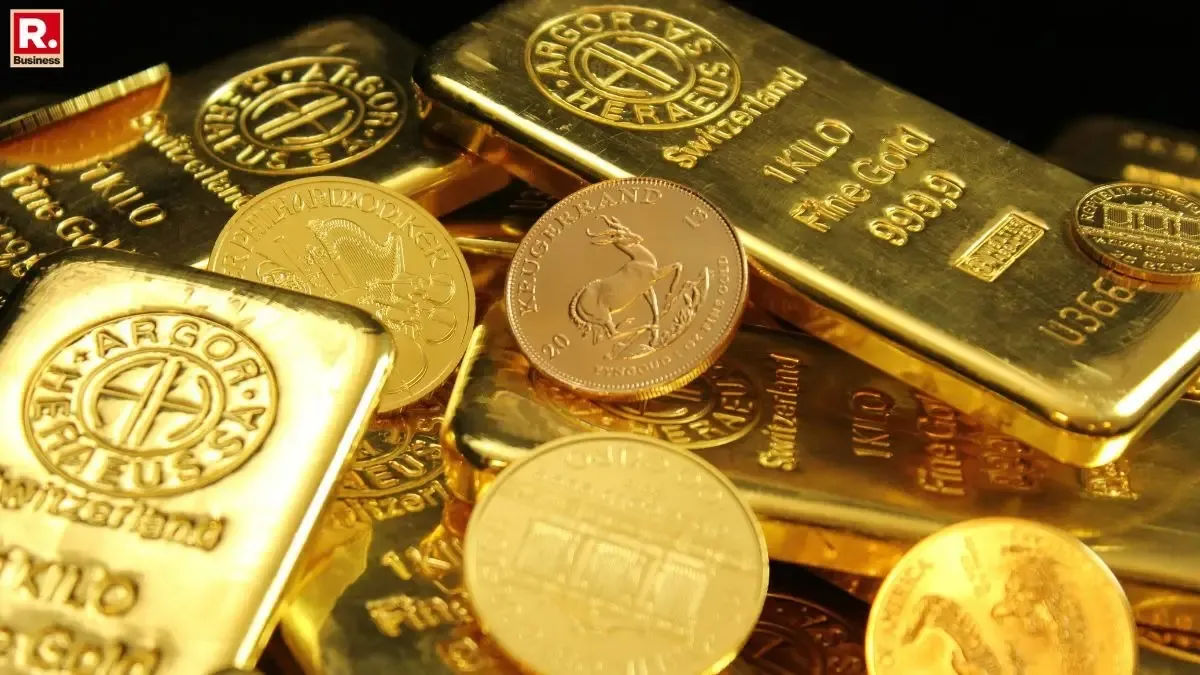
Gold's traditional role as a safe-haven asset is being questioned after a 14.5% price decline in March amid the Iran conflict, according to Morgan Stanley. Despite geopolitical tensions, gold underperformed compared to equities and US Treasuries. The report attributes this to investor focus shifting toward monetary policy and rising real interest rates, alongside reduced central bank and ETF gold purchases, including significant sales by Turkey's central bank.
Political Bias
0%100%0%
Sentiment
48%
AI Analysis
Political bias across 2 sources
● Left 0%● Center 100%● Right 0%
The articles present a primarily economic and market-focused perspective without evident political bias. They rely on Morgan Stanley's analysis, emphasizing investor behavior and monetary policy impacts rather than political interpretations of the Iran conflict. Both sources maintain a neutral tone, focusing on financial data and market responses.
Sentiment — Neutral (48/100)
The overall sentiment is neutral to slightly negative, reflecting concerns over gold's price decline and its challenged safe-haven status. The tone is analytical, highlighting market dynamics and investor shifts without sensationalism or alarm, providing a balanced view of the factors influencing gold prices during the conflict.
How 2 sources covered this story
Each source's own headline, political lean, and sentiment — so you can see framing differences at a glance.
| Source | Their headline | Bias | Sentiment |
|---|---|---|---|
| republicworld | Is Gold No Longer a Safe Haven? Morgan Stanley Reports 14.5 Dip Amid Iran Conflict and High Rates | Center | Neutral |
| economictimes | Gold's safe-haven status under pressure as Iran conflict fails to lift prices: Morgan Stanley | Center | Neutral |
Coverage timeline
economictimes broke this story on 7 May, 06:50 am. Other outlets followed.
- 1economictimes7 May, 06:50 amGold's safe-haven status under pressure as Iran conflict fails to lift prices: Morgan Stanley
- 2republicworld7 May, 07:02 amIs Gold No Longer a Safe Haven? Morgan Stanley Reports 14.5 Dip Amid Iran Conflict and High Rates
Lens Score breakdown
27/100
Public interest0/100
Coverage gap100%
Well-covered story — coverage matches public importance.
Who's involved
Institutions and figures named across source coverage.
Corporate
Exchange-Traded FundsMorgan StanleyCentral Banks
Story context
- Category
- Business
- Location
- Iran
- Sources analysed
- 2
- Last analysed
- 7 May 2026
- Key entities
- GoldIranMorgan StanleyGeopoliticsReal interest rateMonetary policyStockUnited States Department of the TreasuryPrecious metalExchange-traded fundCentral bankFederal Reserve
Related Coverage
Select a news story to see related coverage from other media outlets.