13 hours agoBusiness
22LENS
2 Sources
 thebalanced.news
Understanding Lock-in Periods and Early Repayment in Personal Loans
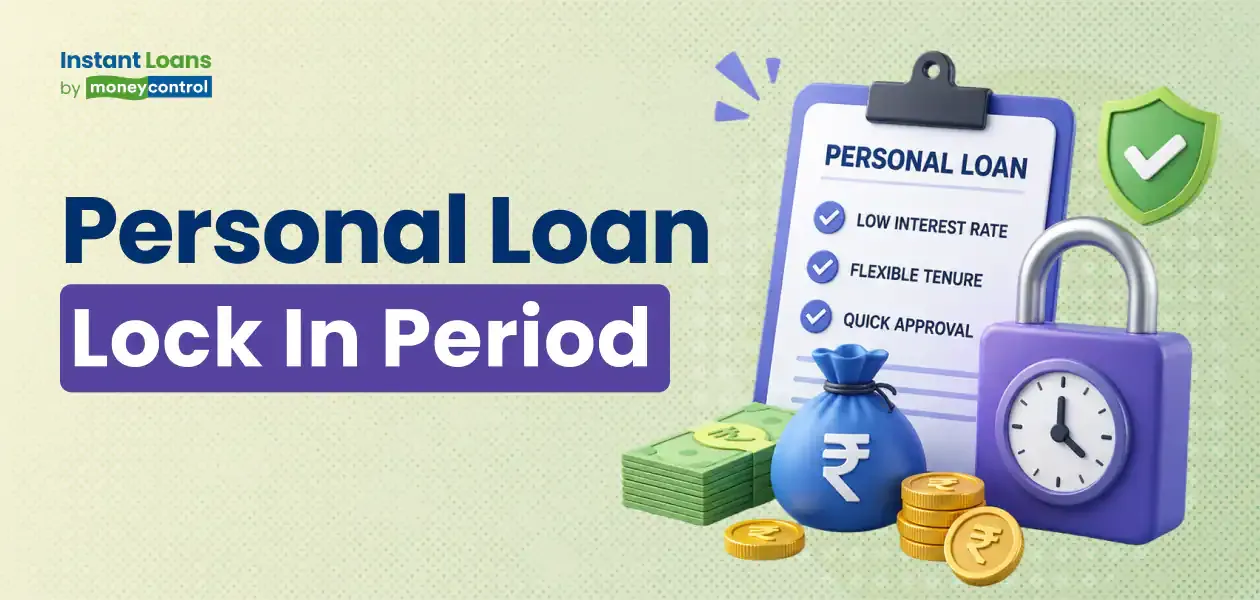
A lock-in period in personal loans, typically lasting between six to twelve months, restricts borrowers from early repayment to ensure lenders receive minimum interest returns. During this time, borrowers must pay regular EMIs as agreed. While it promotes disciplined repayment, early loan closure before the lock-in ends may incur penalties. Understanding these terms helps borrowers plan finances and avoid extra fees, balancing lender interests with structured repayment schedules.
Political Bias
0%100%0%
Sentiment
62%
AI Analysis
Political bias across 2 sources
● Left 0%● Center 100%● Right 0%
The articles present a neutral financial perspective focused on personal loan terms without political framing. They emphasize lender and borrower interests equally, explaining lock-in periods as standard banking practices. No political viewpoints or partisan interpretations are evident, reflecting purely informational content relevant to consumers and financial institutions.
Sentiment — Neutral (62/100)
The tone across the articles is neutral and informative, aiming to educate readers about personal loan conditions. There is no emotional or persuasive language; instead, the coverage highlights practical implications of lock-in periods and early repayment. The sentiment is balanced, neither promoting nor discouraging personal loans, but focusing on clarity and financial awareness.
How 2 sources covered this story
Each source's own headline, political lean, and sentiment — so you can see framing differences at a glance.
| Source | Their headline | Bias | Sentiment |
|---|---|---|---|
| moneycontrol | Lock-in Periods in Personal Loans: How They Impact Early Repayment in 2025 | Center | Neutral |
| moneycontrol | Lock-in Periods in Personal Loans: How They Impact Early Repayment in 2025- Moneycontrol.com | Center | Neutral |
Coverage timeline
moneycontrol broke this story on 20 May, 06:10 am. Other outlets followed.
- 1moneycontrol20 May, 06:10 amLock-in Periods in Personal Loans: How They Impact Early Repayment in 2025- Moneycontrol.com
- 2moneycontrol20 May, 06:13 amLock-in Periods in Personal Loans: How They Impact Early Repayment in 2025
Lens Score breakdown
22/100
Public interest0/100
Coverage gap100%
Well-covered story — coverage matches public importance.
Story context
- Category
- Business
- Sources analysed
- 2
- Last analysed
- 20 May 2026
- Key entities
- Unsecured debtPrepayment of loanCredit scoreForeclosureInterest rateMobile appIndian rupeeDebtorLoanEMILiquidity
Related Coverage
Select a news story to see related coverage from other media outlets.