1 hour agoBusiness
31LENS
2 SourcesUnited Arab Emirates
 thebalanced.news
UAE Exits OPEC Citing Strategic Energy Priorities, Denies Political Motives
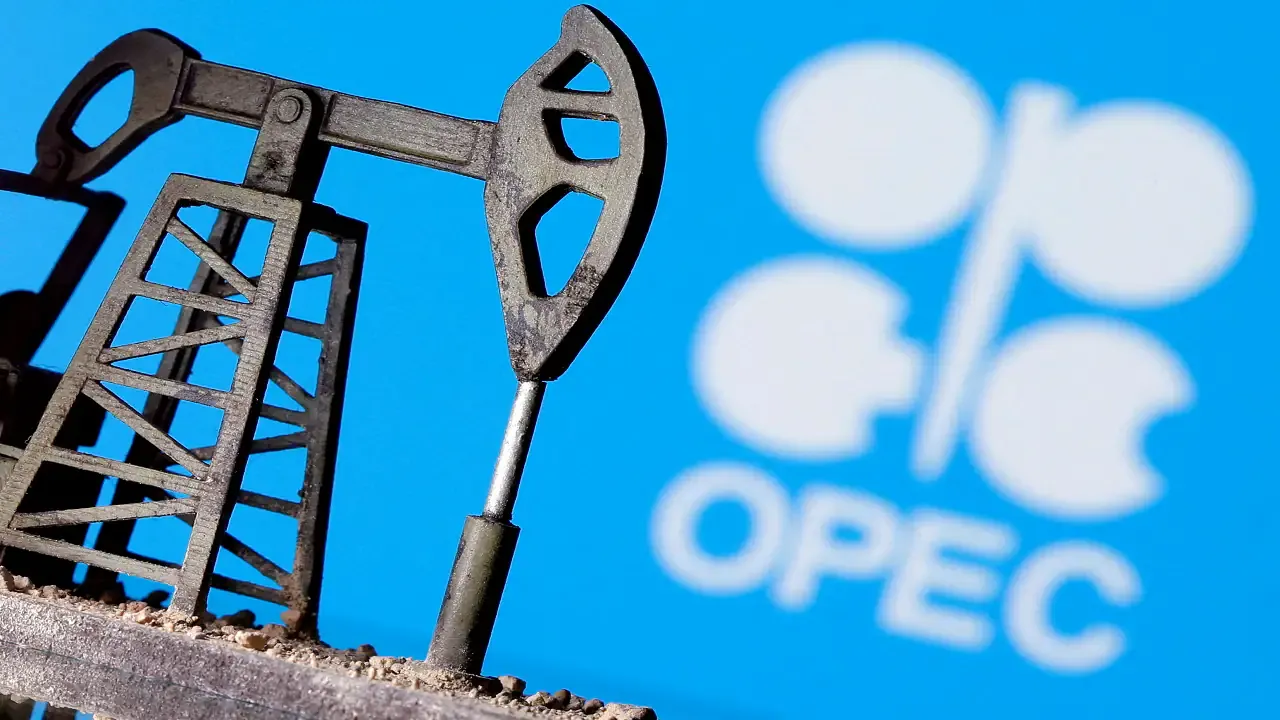
The United Arab Emirates announced its decision to leave OPEC and the broader OPEC alliance, describing it as a sovereign and strategic move based on a comprehensive assessment of its production policy and future energy capabilities. UAE Energy Minister Suhail Mohamed Al Mazrouei emphasized that the exit was not politically motivated nor indicative of divisions with member countries. The departure ends UAE's membership since 1967 and impacts OPEC's influence amid ongoing global energy market volatility and regional conflicts.
Political Bias
0%100%0%
Sentiment
55%
AI Analysis
Political bias across 2 sources
● Left 0%● Center 100%● Right 0%
The articles primarily present the UAE government's official perspective, emphasizing the strategic and economic rationale behind the exit while denying political disagreements. There is limited coverage of opposing views or detailed analysis of regional tensions, focusing instead on the UAE's stated motivations and the implications for OPEC's cohesion.
Sentiment — Neutral (55/100)
The tone across the articles is neutral and factual, reporting the UAE's announcement and rationale without emotive language. Coverage acknowledges the potential impact on OPEC and global oil markets but maintains an objective stance, avoiding speculation or criticism.
How 2 sources covered this story
Each source's own headline, political lean, and sentiment — so you can see framing differences at a glance.
| Source | Their headline | Bias | Sentiment |
|---|---|---|---|
| moneycontrol | Not politics, strategy: UAE explains why it walked out of OPEC- Moneycontrol.com | Center | Neutral |
| thehindu | UAE says OPEC, OPEC exit was sovereign strategic decision, not political move | Center | Neutral |
Coverage timeline
thehindu broke this story on 16 May, 11:29 am. Other outlets followed.
- 1thehindu16 May, 11:29 amUAE says OPEC, OPEC exit was sovereign strategic decision, not political move
- 2moneycontrol17 May, 04:47 amNot politics, strategy: UAE explains why it walked out of OPEC- Moneycontrol.com
Lens Score breakdown
31/100
Public interest0/100
Coverage gap100%
Well-covered story — coverage matches public importance.
Who's involved
Institutions and figures named across source coverage.
Government
UAE Energy MinistryAbu Dhabi National Oil Company
Story context
- Category
- Business
- Location
- United Arab Emirates
- Sources analysed
- 2
- Last analysed
- 17 May 2026
- Key entities
- OPECUnited Arab EmiratesPetroleumIranBarrel (unit)Energy securityEnergy industrySovereigntySaudi ArabiaPrice of oilSupply shockWestern Asia
Related Coverage
Select a news story to see related coverage from other media outlets.