2 hours agoBusiness
28LENS
2 SourcesQatar
 thebalanced.news
IEA Reports West Asia Conflict Disrupts Global LNG Supply Through 2027
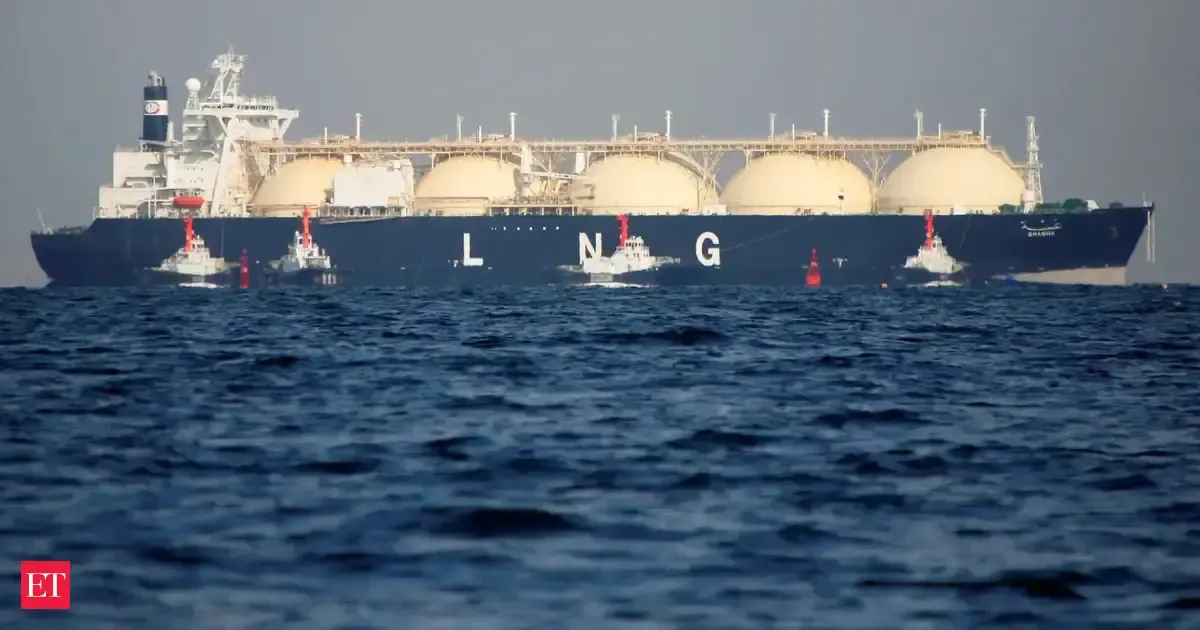
The International Energy Agency (IEA) reports that the West Asia conflict has disrupted global LNG supply, causing tight markets through 2027 and potentially leading to a cumulative loss of about 120 billion cubic metres between 2026 and 2030. Shipping disruptions, including the closure of the Strait of Hormuz, have reduced LNG exports from Qatar and the UAE, triggering price spikes and demand adjustments in Europe and Asia. While new liquefaction projects are expected to offset losses over time, near-term supply growth is delayed.
Political Bias
0%100%0%
Sentiment
38%
AI Analysis
Political bias across 2 sources
● Left 0%● Center 100%● Right 0%
The articles primarily present the International Energy Agency's analysis without political commentary, focusing on factual impacts of the West Asia conflict on LNG markets. They include perspectives on supply disruptions, market responses, and future capacity developments, maintaining a neutral stance without attributing blame or political motives.
Sentiment — Neutral (38/100)
The overall tone is neutral to cautious, emphasizing supply challenges and market tightness due to conflict-related disruptions. While noting price spikes and demand reductions, the coverage also highlights expected future capacity additions, balancing concerns with potential recovery, resulting in a measured and informative sentiment.
How 2 sources covered this story
Each source's own headline, political lean, and sentiment — so you can see framing differences at a glance.
| Source | Their headline | Bias | Sentiment |
|---|---|---|---|
| thehindu | West Asia conflict could cause 120 bcm of LNG supply loss from 2026-2030, says International Energy Agency | Center | Neutral |
| economictimes | Middle East crisis to keep LNG markets 'tight' till 2027: IEA | Center | Neutral |
Coverage timeline
economictimes broke this story on 24 Apr, 07:15 am. Other outlets followed.
- 1economictimes24 Apr, 07:15 amMiddle East crisis to keep LNG markets 'tight' till 2027: IEA
- 2thehindu24 Apr, 08:00 amWest Asia conflict could cause 120 bcm of LNG supply loss from 2026-2030, says International Energy Agency
Lens Score breakdown
28/100
Public interest0/100
Coverage gap100%
Well-covered story — coverage matches public importance.
Story context
- Category
- Business
- Location
- Qatar
- Sources analysed
- 2
- Last analysed
- 24 Apr 2026
- Key entities
- Liquefied natural gasInternational Energy AgencyQatarStrait of HormuzUnited Arab EmiratesMiddle EastAsiaSupply chainNorth AmericaEuropePakistanRenewable energy
Related Coverage
Select a news story to see related coverage from other media outlets.