2 hours agoBusiness
34LENS
2 SourcesNew Delhi, India
 thebalanced.news
India Releases Nearly 3,000 Climate-Resilient Crop Varieties and Establishes Resilient Villages
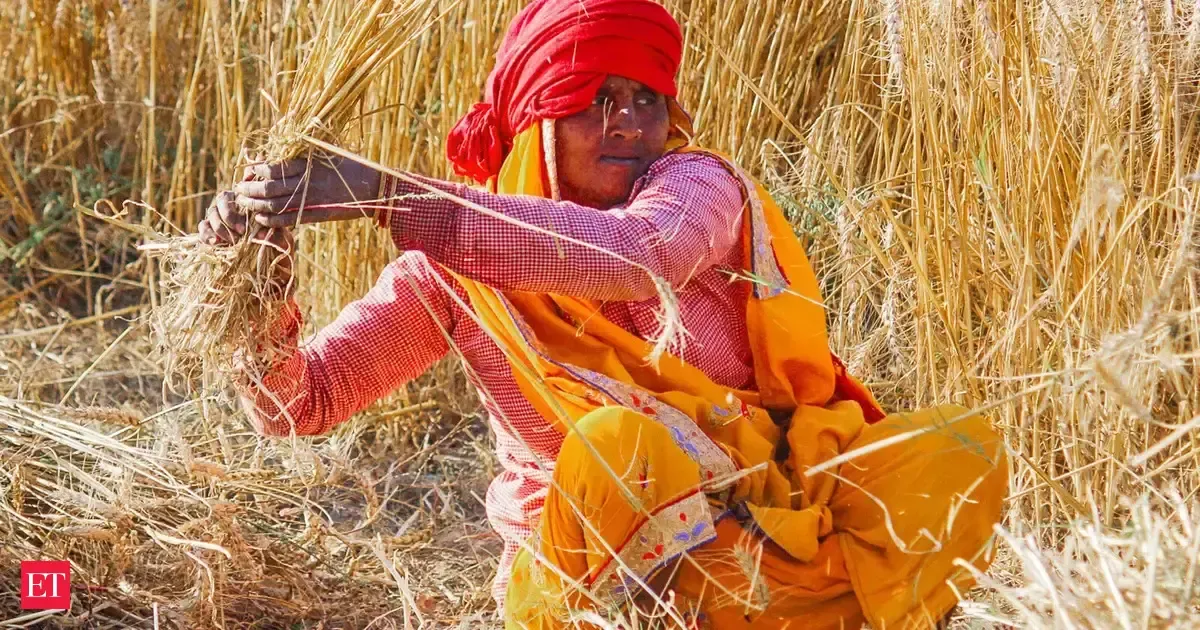
Between 2014 and 2025, India released 2,996 climate-resilient crop varieties through efforts led by the Indian Council of Agricultural Research under the National Agricultural Research System. Complementary farming practices like direct-seeded rice and zero-till wheat were developed to mitigate climate risks. The National Innovations on Climate Resilient Agriculture program supports capacity building and research, identifying 310 highly vulnerable districts and establishing Climate Resilient Villages across 28 states for technology adoption.
Political Bias
10%85%5%
Sentiment
72%
AI Analysis
Political bias across 2 sources
● Left 10%● Center 85%● Right 5%
The articles present a government-led initiative focused on agricultural adaptation to climate change, primarily highlighting official programs and achievements without partisan framing. Both sources emphasize institutional efforts by ICAR and related programs, reflecting a policy implementation perspective without opposition or critique, thus representing a largely neutral governmental viewpoint.
Sentiment — Positive (72/100)
The tone across the articles is generally positive, emphasizing progress and proactive measures in developing climate-resilient agriculture. The coverage highlights achievements and supportive programs aimed at mitigating climate risks, with no evident negative or critical sentiment, resulting in an overall constructive and informative tone.
How 2 sources covered this story
Each source's own headline, political lean, and sentiment — so you can see framing differences at a glance.
| Source | Their headline | Bias | Sentiment |
|---|---|---|---|
| republicworld | India Releases 2996 Climate-Resilient Crop Varieties, Establishes Climate-Resilient Villages Across 28 States To Tackle Extreme Weather Risks | Center | Positive |
| economictimes | India released nearly 3,000 climate-resilient crop varieties during 2014-25: Govt | Center | Positive |
Coverage timeline
economictimes broke this story on 10 May, 04:47 pm. Other outlets followed.
- 1economictimes10 May, 04:47 pmIndia released nearly 3,000 climate-resilient crop varieties during 2014-25: Govt
- 2republicworld10 May, 10:25 pmIndia Releases 2996 Climate-Resilient Crop Varieties, Establishes Climate-Resilient Villages Across 28 States To Tackle Extreme Weather Risks
Lens Score breakdown
34/100
Public interest0/100
Coverage gap100%
Well-covered story — coverage matches public importance.
Who's involved
Institutions and figures named across source coverage.
Government
National Innovations on Climate Resilient AgricultureNational Mission for Sustainable AgricultureNational Agricultural Research SystemIndian Council of Agricultural Research
Story context
- Category
- Business
- Location
- New Delhi, India
- Sources analysed
- 2
- Last analysed
- 10 May 2026
- Key entities
- Climate resilienceIndian Council of Agricultural ResearchAgricultureIndiaKöppen climate classificationDistrictVulnerable speciesAgronomyWheatRiceNew DelhiClimate change adaptation
Related Coverage
Select a news story to see related coverage from other media outlets.