2 hours agoBusiness
29LENS
3 SourcesSingapore
 thebalanced.news
Strait of Hormuz Crisis Causes Prolonged Disruptions in Energy and Commodity Supplies
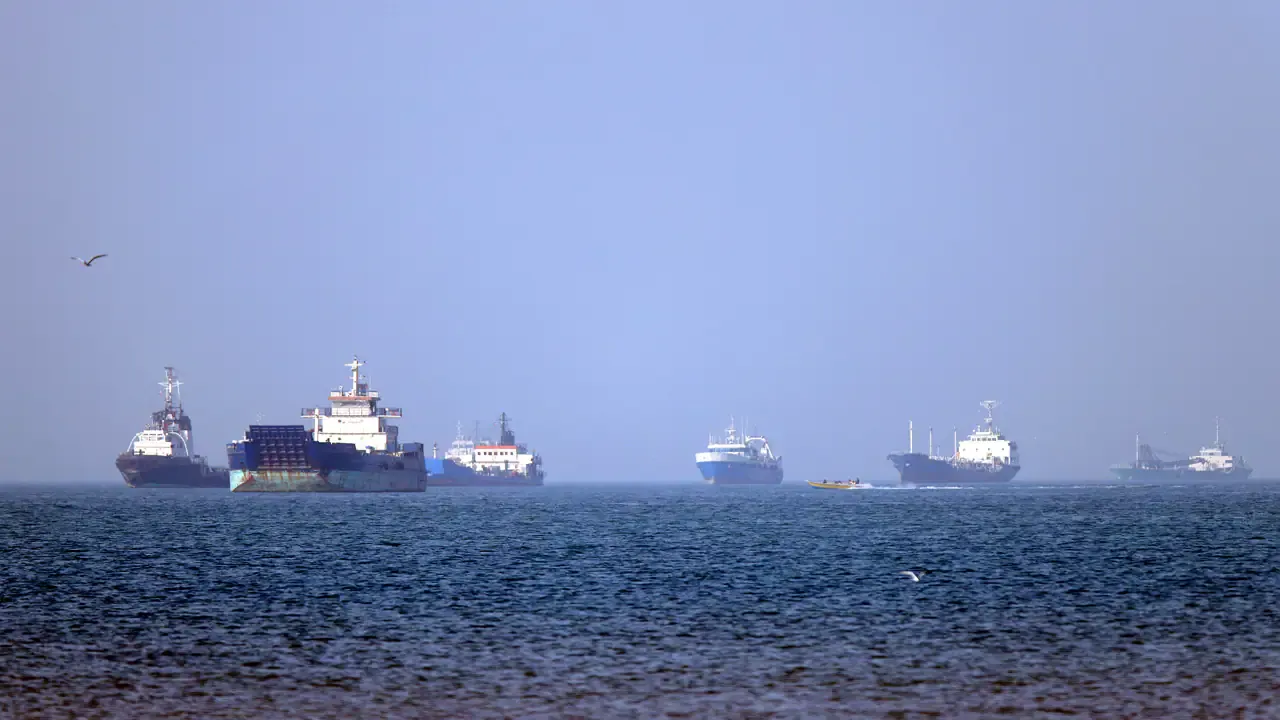
The ongoing crisis around the Strait of Hormuz has led to significant disruptions in global energy and commodity supplies. Both Iran and the US remain locked in a stalemate, with Iran enforcing control over transit and the US imposing sanctions. Key regional leaders like India and Singapore warn that reopening the strait will not immediately restore normalcy due to damaged infrastructure and security concerns. Beyond oil, supply shocks now affect fertilizers, sulfur, and industrial materials, intensifying global economic challenges.
Political Bias
7%88%5%
Sentiment
33%
AI Analysis
Political bias across 3 sources
● Left 7%● Center 88%● Right 5%
The articles present multiple perspectives including geopolitical tensions between Iran and the US, regional concerns from India and Singapore, and global economic implications. Coverage includes official statements, expert analyses, and regional leadership views without favoring any side, reflecting a balanced framing of the complex standoff and its consequences.
Sentiment — Negative (33/100)
The overall tone is cautious and serious, emphasizing the prolonged nature of the crisis and its broad economic impact. While acknowledging efforts to manage the situation, the coverage highlights risks, supply shortages, and market instability, resulting in a predominantly concerned and sober sentiment across sources.
How 3 sources covered this story
Each source's own headline, political lean, and sentiment — so you can see framing differences at a glance.
| Source | Their headline | Bias | Sentiment |
|---|---|---|---|
| moneycontrol | Why the Strait of Hormuz crisis is turning into a dangerous global stalemate- Moneycontrol.com | Center | Neutral |
| moneycontrol | The crisis that starts when Hormuz reopens: Mines, no insurance, damaged ports- Moneycontrol.com | Center | Neutral |
| firstpost | Oil isn't the only threat: Fertilizer and sulfur could trigger the next commodity shock | Center | Negative |
Coverage timeline
firstpost broke this story on 13 May, 01:44 pm. Other outlets followed.
- 1firstpost13 May, 01:44 pmOil isn't the only threat: Fertilizer and sulfur could trigger the next commodity shock
- 2moneycontrol14 May, 09:55 amThe crisis that starts when Hormuz reopens: Mines, no insurance, damaged ports- Moneycontrol.com
- 3moneycontrol14 May, 10:06 amWhy the Strait of Hormuz crisis is turning into a dangerous global stalemate- Moneycontrol.com
Lens Score breakdown
29/100
Public interest0/100
Coverage gap90%
Well-covered story — coverage matches public importance.
Who's involved
Institutions and figures named across source coverage.
Government
Government of SingaporeGovernment of IndiaParliament of India
Corporate
Saudi AramcoQatar Fertiliser Company
Enforcement
US Navy
Story context
- Category
- Business
- Location
- Singapore
- Sources analysed
- 3
- Last analysed
- 14 May 2026
- Key entities
- Strait of HormuzPetroleumWorld economyMiddle EastIndiaFertilizerInternational Energy AgencyBlockadeInflationUnited StatesIranWashington (state)
Related Coverage
Select a news story to see related coverage from other media outlets.