2 hours agoBusiness
29LENS
2 Sources
 thebalanced.news
Recent Fuel Price Increases Expected to Raise Inflation and Push Petrol CPI Above 100
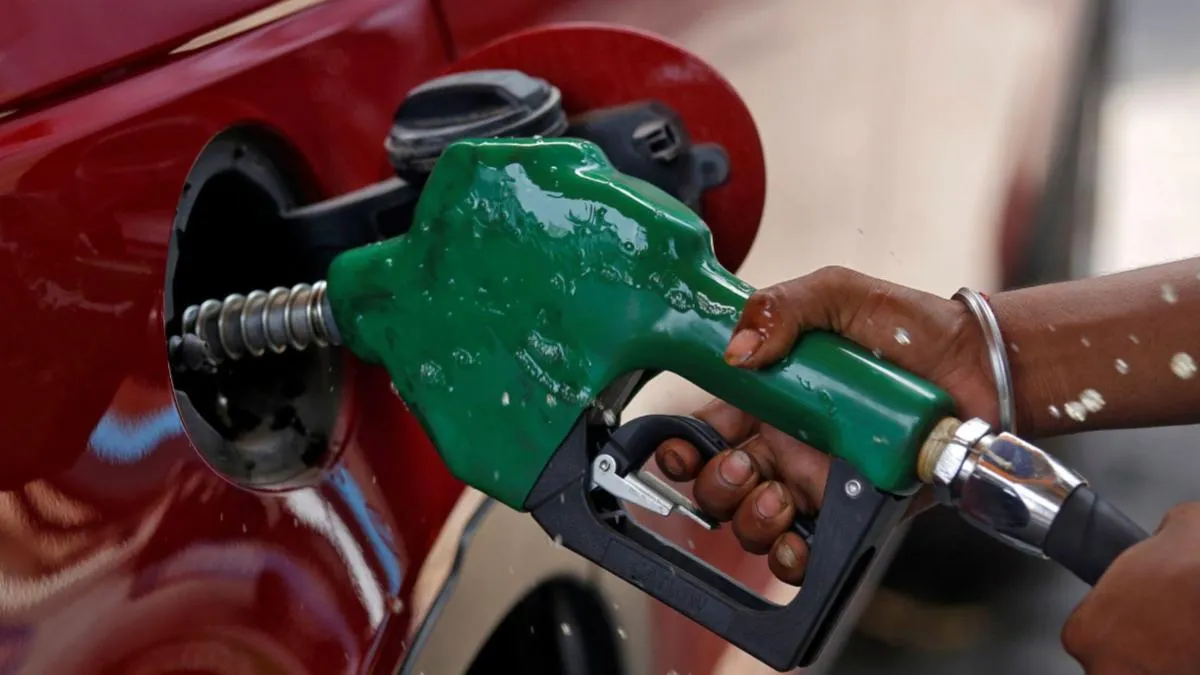
Recent increases in petrol and diesel prices by state-run oil companies have raised concerns about inflation. Economists estimate these hikes could add around 30 to 40 basis points to near-term inflation, impacting essential goods and industries. Prior to these hikes, the Consumer Price Index (CPI) for petrol and diesel remained below 100 points, indicating prices were lower than the 2024 base year. The recent price rises are expected to push the petrol CPI above 100 points in May, marking a shift in fuel price trends.
Political Bias
0%100%0%
Sentiment
42%
AI Analysis
Political bias across 2 sources
● Left 0%● Center 100%● Right 0%
The articles present an economic perspective focusing on inflation impacts without political framing. They rely on economists' analyses and official CPI data, reflecting a neutral stance on government policies. The coverage emphasizes factual reporting on price changes and inflation metrics without attributing blame or praise to any political entity.
Sentiment — Neutral (42/100)
The tone across the articles is cautiously informative, highlighting concerns about inflation due to fuel price hikes. While the potential inflation increase is noted, the coverage remains measured and data-driven, avoiding alarmist language. The sentiment is thus balanced, reflecting economic implications without overt negativity or positivity.
How 2 sources covered this story
Each source's own headline, political lean, and sentiment — so you can see framing differences at a glance.
| Source | Their headline | Bias | Sentiment |
|---|---|---|---|
| thefinancialexpress | Fuel price hikes may add 30 bps to near-term inflation: Economists | Center | Neutral |
| businessstandard | Datanomics: Petrol CPI likely to go past 100, first in new series | Center | Neutral |
Coverage timeline
businessstandard broke this story on 25 May, 05:47 pm. Other outlets followed.
- 1businessstandard25 May, 05:47 pmDatanomics: Petrol CPI likely to go past 100, first in new series
- 2thefinancialexpress25 May, 07:37 pmFuel price hikes may add 30 bps to near-term inflation: Economists
Lens Score breakdown
29/100
Public interest0/100
Coverage gap100%
Well-covered story — coverage matches public importance.
Who's involved
Institutions and figures named across source coverage.
Government
State-run Oil Companies
Story context
- Category
- Business
- Sources analysed
- 2
- Last analysed
- 25 May 2026
- Key entities
- InflationGasolineDiesel fuelBasis pointPetroleum industryConsumer price index
Related Coverage
Select a news story to see related coverage from other media outlets.