2 hours agoBusiness
34LENS
2 SourcesNew Delhi, India
 thebalanced.news
India Maintains Fertiliser Supply Amid West Asia Crisis Despite Rising Subsidy Costs
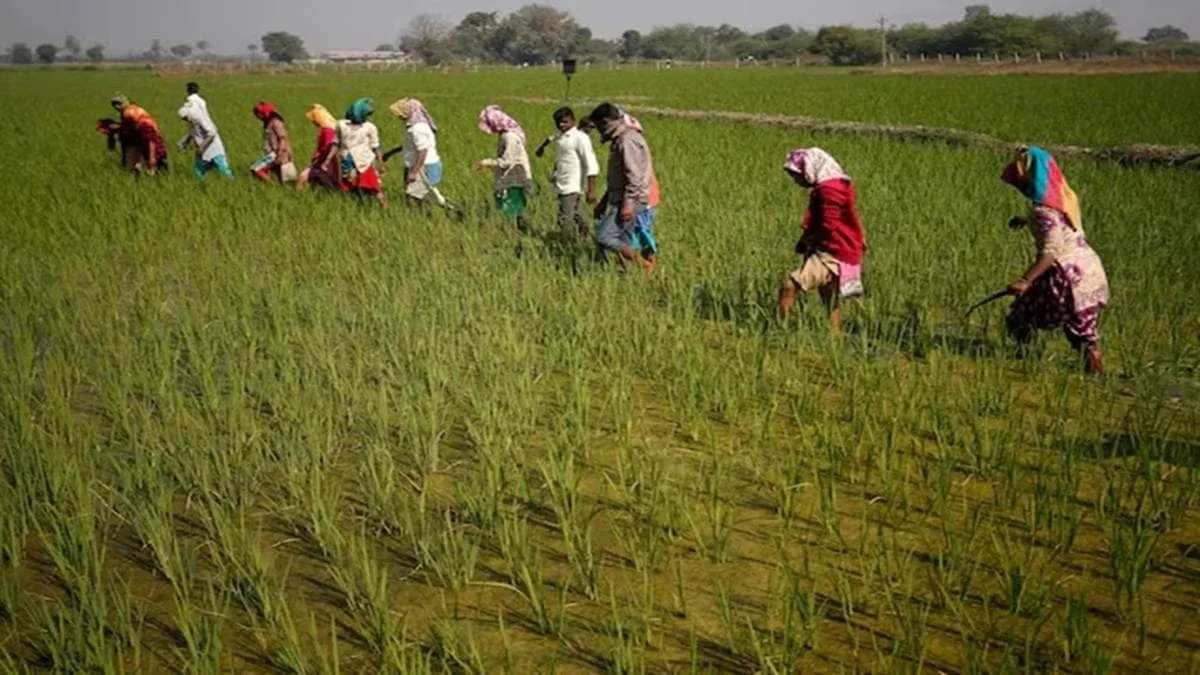
India's fertiliser production is stabilizing after disruptions caused by the West Asia conflict, with urea output reaching 2.09 million tonnes in April and domestic production supplemented by imports. The government has floated global tenders for urea and NPK fertilisers to meet peak demand, while states have stocked nearly half of the kharif 2026 requirement. Despite rising import costs leading to a likely increase in the fertiliser subsidy bill beyond the Rs 1.71 lakh crore budget, retail prices remain unchanged, and supply is described as robust and stable.
Political Bias
10%82%8%
Sentiment
60%
AI Analysis
Political bias across 2 sources
● Left 10%● Center 82%● Right 8%
The articles present a government-centric perspective emphasizing efforts to stabilize fertiliser production and supply amid external challenges. They include official statements highlighting successful planning and supply management, with limited critical viewpoints or opposition perspectives. The framing focuses on administrative responses and logistical coordination without partisan commentary.
Sentiment — Neutral (60/100)
The overall tone is cautiously optimistic, acknowledging supply disruptions and rising costs while emphasizing recovery and stable availability. The coverage balances concerns about increased subsidy expenses with reassurances of maintained retail prices and sufficient stock, resulting in a generally neutral to mildly positive sentiment.
How 2 sources covered this story
Each source's own headline, political lean, and sentiment — so you can see framing differences at a glance.
| Source | Their headline | Bias | Sentiment |
|---|---|---|---|
| thefinancialexpress | Govt targets to raise fertiliser output as LNG supplies restored | Center | Neutral |
| economictimes | Fertiliser subsidy bill set to overshoot budget estimate of Rs 1.71 lakh cr amid West Asia crisis | Center | Neutral |
Coverage timeline
economictimes broke this story on 4 May, 12:25 pm. Other outlets followed.
- 1economictimes4 May, 12:25 pmFertiliser subsidy bill set to overshoot budget estimate of Rs 1.71 lakh cr amid West Asia crisis
- 2thefinancialexpress4 May, 04:17 pmGovt targets to raise fertiliser output as LNG supplies restored
Lens Score breakdown
34/100
Public interest0/100
Coverage gap100%
Well-covered story — coverage matches public importance.
Who's involved
Institutions and figures named across source coverage.
Government
Department of FertilisersMinistry of External AffairsDepartment of FertilizersDepartment of AgricultureMinistry of PortsMinistry of Agriculture
Story context
- Category
- Business
- Location
- New Delhi, India
- Sources analysed
- 2
- Last analysed
- 4 May 2026
- Key entities
- UreaFertilizerTonneDiammonium phosphatePhosphateWestern AsiaLakhSubsidyAgricultureCroreIndian rupeeLiquefied natural gas
Related Coverage
Select a news story to see related coverage from other media outlets.