2 hours agoBusiness
26LENS
2 SourcesGujarat, India
 thebalanced.news
India Faces Climate Risks and Uneven Adoption of Micro Irrigation Amid Below-Average Monsoon Forecast
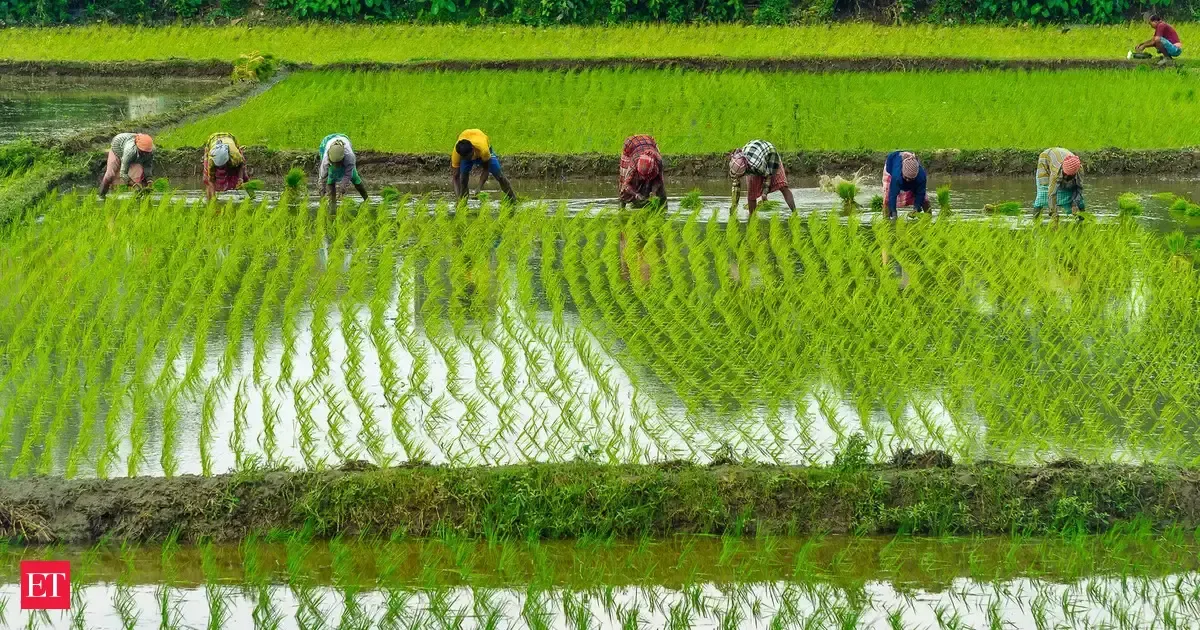
India's agriculture faces increasing challenges from climate variability, with the India Meteorological Department forecasting a below-average monsoon at 92% of the long-period average and a likely El Niño event that could reduce rainfall. These conditions heighten risks of crop stress and rural income strain. Despite the urgency, adoption of micro irrigation technologies like drip and sprinkler systems remains uneven and limited, constraining efforts to improve water use efficiency and mitigate climate impacts on farming.
Political Bias
10%85%5%
Sentiment
60%
AI Analysis
Political bias across 2 sources
● Left 10%● Center 85%● Right 5%
The articles present a largely technical and policy-focused perspective without explicit political framing. They highlight government meteorological forecasts and policy challenges in agriculture and irrigation, reflecting concerns about climate impacts and resource management. Both sources emphasize the need for improved water use but do not attribute responsibility or critique specific political actors, maintaining a neutral stance.
Sentiment — Neutral (60/100)
The overall tone is cautious and concerned, reflecting the risks posed by climate variability and below-average rainfall forecasts. While acknowledging progress in micro irrigation, the coverage underscores gaps and vulnerabilities in agricultural resilience. The sentiment is balanced, combining recognition of challenges with the potential benefits of technological adoption, without overt optimism or pessimism.
How 2 sources covered this story
Each source's own headline, political lean, and sentiment — so you can see framing differences at a glance.
| Source | Their headline | Bias | Sentiment |
|---|---|---|---|
| businessstandard | Why monsoon-dependent India still struggles to scale micro irrigation | Center | Neutral |
| economictimes | Climate-resilient farming in the age of extremes | Center | Positive |
Coverage timeline
economictimes broke this story on 25 Apr, 06:35 am. Other outlets followed.
- 1economictimes25 Apr, 06:35 amClimate-resilient farming in the age of extremes
- 2businessstandard25 Apr, 09:03 amWhy monsoon-dependent India still struggles to scale micro irrigation
Lens Score breakdown
26/100
Public interest0/100
Coverage gap100%
Well-covered story — coverage matches public importance.
Who's involved
Institutions and figures named across source coverage.
Government
Pradhan Mantri Rashtriya Krishi Vikas YojanaIndia Meteorological DepartmentGujarat Green Revolution CompanyNational Mission on Micro IrrigationNABARD
Story context
- Category
- Business
- Location
- Gujarat, India
- Sources analysed
- 2
- Last analysed
- 25 Apr 2026
- Key entities
- MonsoonIndiaIndia Meteorological DepartmentHectareExtreme weatherAgricultureEl NiñoClimate resilienceAgriculture in IndiaVulnerabilityKharif cropFood security
Related Coverage
Select a news story to see related coverage from other media outlets.