1 hour agoBusiness
34LENS
2 SourcesIndia
 thebalanced.news
Zomato Removes Pricing Clause Penalizing Restaurants for Cheaper Off-App Orders
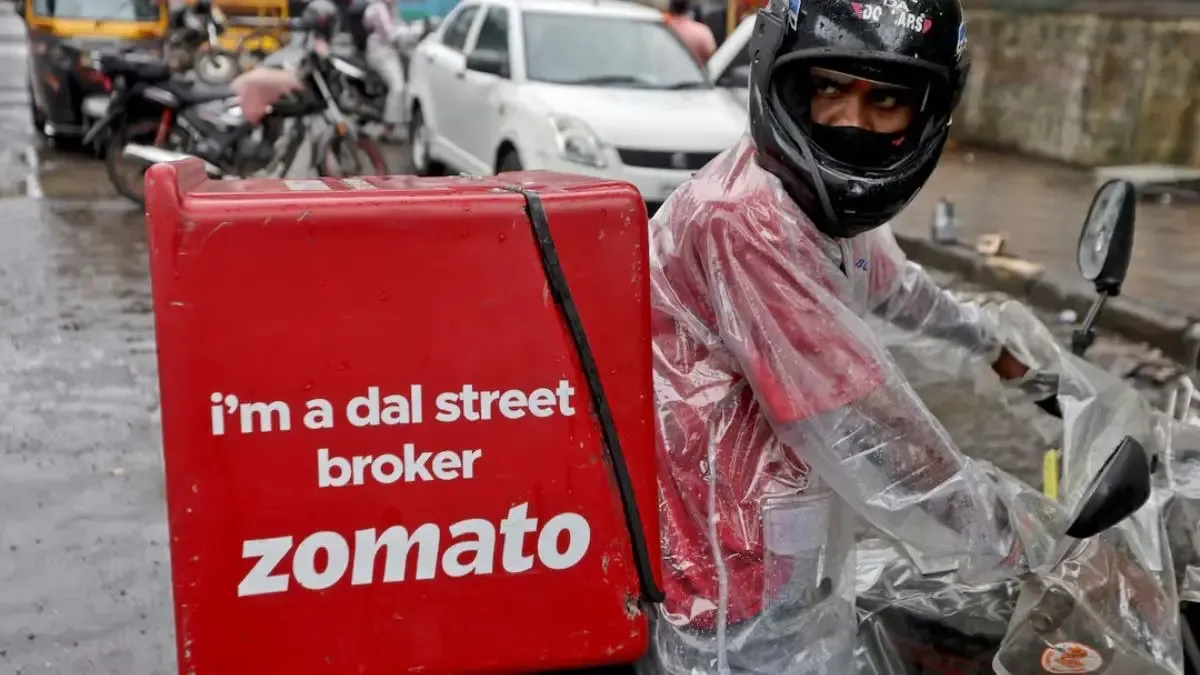
Zomato, India's leading food delivery app with 24 million users and 300,000 listed restaurants, has agreed to remove a contract clause that penalized restaurants for offering lower prices for dine-in or direct delivery compared to the app. The clause, which allowed fines and secret inspections, faced opposition from restaurant groups like the National Restaurant Association of India for restricting pricing autonomy. Although the clause was reportedly never enforced, Zomato has now dropped it amid industry pushback, with no official explanation provided.
Political Bias
5%93%2%
Sentiment
52%
AI Analysis
Political bias across 2 sources
● Left 5%● Center 93%● Right 2%
The articles primarily present a business and regulatory perspective, highlighting Zomato's contractual policies and the response from restaurant associations. The coverage includes viewpoints from both the company and industry representatives without partisan framing, focusing on market dynamics and regulatory concerns rather than political ideologies.
Sentiment — Neutral (52/100)
The tone across the articles is neutral to slightly critical, emphasizing the controversy around the pricing clause and its impact on restaurants. While Zomato's decision to drop the clause is reported factually, the inclusion of opposition from restaurant groups introduces a critical perspective on the company's earlier policy, resulting in balanced but cautious sentiment.
How 2 sources covered this story
Each source's own headline, political lean, and sentiment — so you can see framing differences at a glance.
| Source | Their headline | Bias | Sentiment |
|---|---|---|---|
| republicworld | Zomato Agrees to Stop Punishing Restaurants for Cheaper Food Orders Outside of Platform | Center | Neutral |
| economictimes | Zomato drops pricing clause after pushback, source says - The Economic Times | Center | Neutral |
Coverage timeline
economictimes broke this story on 23 Apr, 12:45 pm. Other outlets followed.
- 1economictimes23 Apr, 12:45 pmZomato drops pricing clause after pushback, source says - The Economic Times
- 2republicworld23 Apr, 01:07 pmZomato Agrees to Stop Punishing Restaurants for Cheaper Food Orders Outside of Platform
Lens Score breakdown
34/100
Public interest0/100
Coverage gap100%
Well-covered story — coverage matches public importance.
Who's involved
Institutions and figures named across source coverage.
Government
India's antitrust watchdog
Corporate
SwiggyZomatoGoIbiboMakeMyTrip
Story context
- Category
- Business
- Location
- India
- Sources analysed
- 2
- Last analysed
- 23 Apr 2026
- Key entities
- ZomatoFood deliveryMobile appIndiaDinerCompetition lawKFCSwiggyMakeMyTripNational Restaurant AssociationHotelReuters
Related Coverage
Select a news story to see related coverage from other media outlets.