50 minutes agoBusiness
30LENS
2 Sources
 thebalanced.news
Eli Lilly's Experimental Drug Retatrutide Shows Significant Weight Loss in Trial
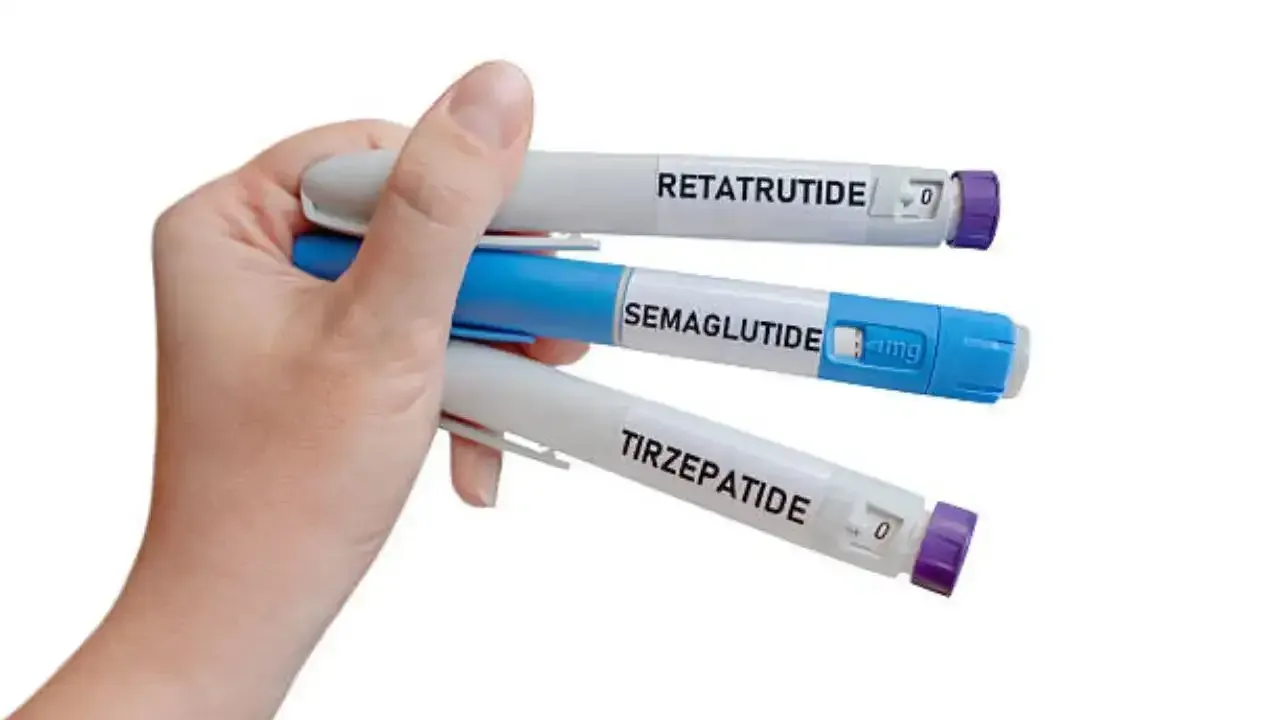
Eli Lilly's experimental obesity drug retatrutide demonstrated significant weight loss in a late-stage trial involving patients with obesity but not diabetes. Participants on the highest 12 mg dose lost an average of 28.3% of their body weight over 80 weeks, with over 45% losing 30% or more. Retatrutide targets three hormone receptors to suppress appetite, enhance insulin secretion, and aid fat burning, positioning it as a potential next-generation treatment in the competitive obesity drug market.
Political Bias
0%100%0%
Sentiment
75%
AI Analysis
Political bias across 2 sources
● Left 0%● Center 100%● Right 0%
The articles primarily focus on the scientific and commercial aspects of Eli Lilly's obesity drug trial results without political framing. Coverage centers on the pharmaceutical industry's competition and innovation, presenting corporate statements and trial data. There is no evident political perspective or partisan interpretation in the sources.
Sentiment — Positive (75/100)
The tone across the articles is generally positive, emphasizing promising trial outcomes and potential market impact. The coverage highlights significant weight loss results and the drug's novel mechanism, reflecting optimism about its future approval and use. There is no notable negative or critical sentiment present.
How 2 sources covered this story
Each source's own headline, political lean, and sentiment — so you can see framing differences at a glance.
| Source | Their headline | Bias | Sentiment |
|---|---|---|---|
| timesnow | Eli Lilly's Next-Gen Obesity Drug Shows Promising Trial Results in Race Beyond Ozempic | Center | Positive |
| thetelegraph | Eli Lilly says experimental obesity drug retatrutide helps patients lose over 28 body weight | Center | Positive |
Coverage timeline
thetelegraph broke this story on 21 May, 02:33 pm. Other outlets followed.
- 1thetelegraph21 May, 02:33 pmEli Lilly says experimental obesity drug retatrutide helps patients lose over 28 body weight
- 2timesnow21 May, 03:20 pmEli Lilly's Next-Gen Obesity Drug Shows Promising Trial Results in Race Beyond Ozempic
Lens Score breakdown
30/100
Public interest0/100
Coverage gap100%
Well-covered story — coverage matches public importance.
Who's involved
Institutions and figures named across source coverage.
Corporate
Eli LillyEli Lilly and Company
Story context
- Category
- Business
- Sources analysed
- 2
- Last analysed
- 21 May 2026
- Key entities
- ObesityEli Lilly and CompanyWeight lossSemaglutideMedicationGlucagon-like peptide-1Clinical trialEli LillyExperimentDiabetesNovo NordiskInjection (medicine)
Related Coverage
Select a news story to see related coverage from other media outlets.