1 hour agoBusiness
22LENS
2 Sources
 thebalanced.news
How Debit and Credit Card EMI Payments Impact Credit Scores
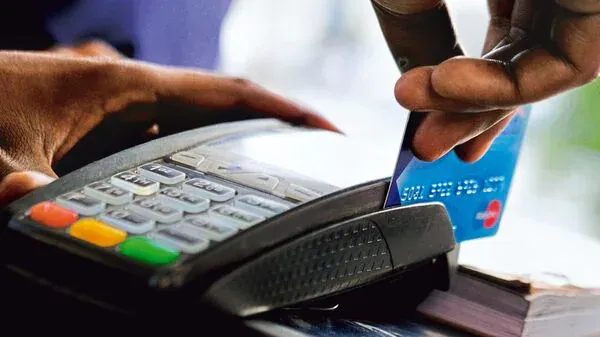
Debit card and credit card EMI options allow consumers to pay for purchases in fixed monthly instalments, potentially aiding credit score improvement through timely repayments. However, missed or delayed payments can negatively affect credit history and borrowing capacity. Experts note that while EMI conversions offer structured repayment and can be better for credit scores than paying only minimum dues, they should be used judiciously to avoid accumulating debt and interest charges.
Political Bias
0%100%0%
Sentiment
60%
AI Analysis
Political bias across 2 sources
● Left 0%● Center 100%● Right 0%
The articles present a neutral financial perspective focused on consumer credit management without political framing. They include expert opinions emphasizing responsible repayment behavior and credit score implications, reflecting a practical, non-partisan approach to personal finance education.
Sentiment — Neutral (60/100)
The overall tone is informative and cautionary, highlighting both benefits and risks of EMI usage. Coverage is balanced, neither overly positive nor negative, aiming to educate readers on managing credit responsibly and understanding potential consequences of missed payments.
How 2 sources covered this story
Each source's own headline, political lean, and sentiment — so you can see framing differences at a glance.
| Source | Their headline | Bias | Sentiment |
|---|---|---|---|
| mint | Does debit card EMI affect your credit score? Everything you need to know Mint | Center | Neutral |
| mint | Credit card EMI vs minimum due: Which option is better for your credit score? Mint | Center | Neutral |
Coverage timeline
mint broke this story on 22 May, 11:15 am. Other outlets followed.
- 1mint22 May, 11:15 amCredit card EMI vs minimum due: Which option is better for your credit score? Mint
- 2mint23 May, 07:40 amDoes debit card EMI affect your credit score? Everything you need to know Mint
Lens Score breakdown
22/100
Public interest0/100
Coverage gap100%
Well-covered story — coverage matches public importance.
Who's involved
Institutions and figures named across source coverage.
Corporate
Paytm
Story context
- Category
- Business
- Sources analysed
- 2
- Last analysed
- 23 May 2026
- Key entities
- Credit scoreEMIMint (newspaper)Credit cardDebit cardDefault (finance)E-commerceFinancial institutionSmartphonePersonal financeLaptopIndian rupee
Related Coverage
Select a news story to see related coverage from other media outlets.