1 hour agoBusiness
31LENS
2 SourcesIndia
 thebalanced.news
EAC-PM Chairman Urges India to Monitor Economic Vulnerabilities Amid West Asia Conflict
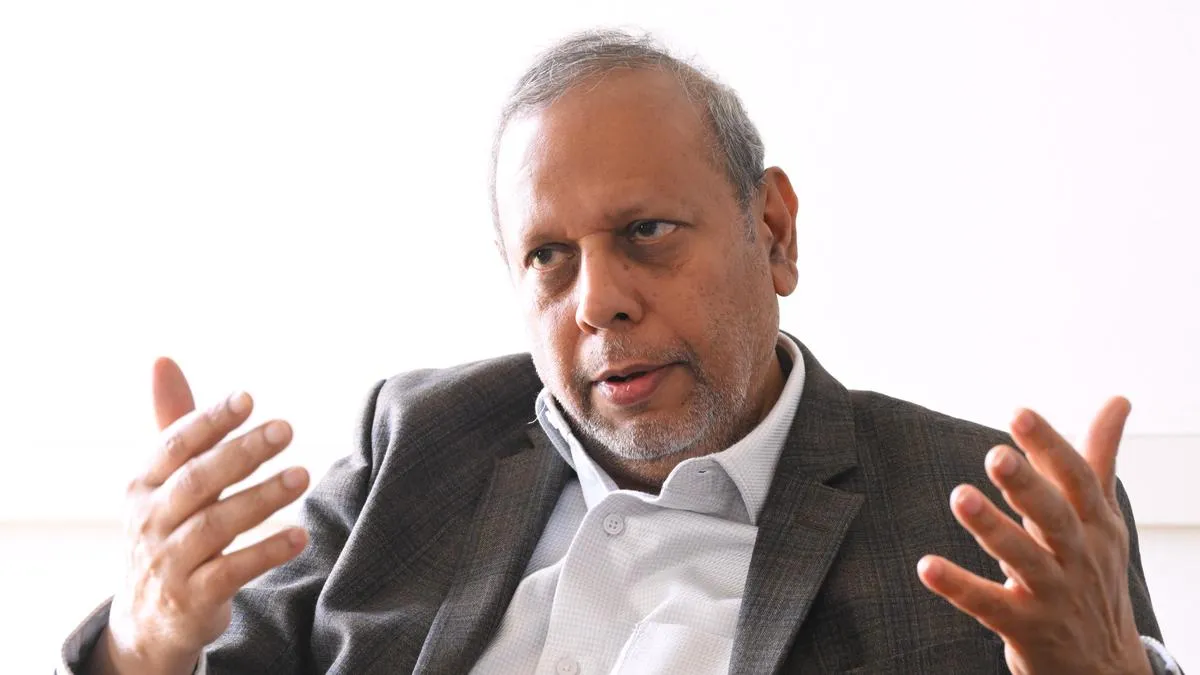
Economic Advisory Council to the Prime Minister Chairman S. Mahendra Dev emphasized the need for India to map and monitor vulnerabilities in sectors like energy, food, fertilisers, metals, and critical minerals. He highlighted the importance of addressing supply disruptions and price volatility, especially in light of the ongoing West Asia conflict. Dev advocated for strengthening physical buffers such as strategic petroleum reserves, diversifying import sources, and reducing fossil fuel dependence to enhance economic resilience against future crises.
Political Bias
10%85%5%
Sentiment
60%
AI Analysis
Political bias across 2 sources
● Left 10%● Center 85%● Right 5%
The articles present a government-aligned perspective focusing on economic risk management and strategic planning without partisan framing. They reflect official views from the Economic Advisory Council to the Prime Minister, emphasizing policy recommendations and structural reforms. Opposition or alternative viewpoints are not included, indicating coverage centered on government policy discourse.
Sentiment — Neutral (60/100)
The tone across the articles is neutral and analytical, concentrating on challenges posed by global conflicts and economic vulnerabilities. The coverage is constructive, highlighting proactive measures and strategic responses without emotional or sensational language. It maintains a forward-looking and pragmatic sentiment regarding India's economic preparedness.
How 2 sources covered this story
Each source's own headline, political lean, and sentiment — so you can see framing differences at a glance.
| Source | Their headline | Bias | Sentiment |
|---|---|---|---|
| economictimes | India must map, monitor economic vulnerabilities in energy, food, other areas: EAC-PM chairman | Center | Neutral |
| thehindu | India must map, monitor economic vulnerabilities in energy, food, other areas: EAC-PM chairman | Center | Neutral |
Coverage timeline
thehindu broke this story on 4 May, 10:44 am. Other outlets followed.
- 1thehindu4 May, 10:44 amIndia must map, monitor economic vulnerabilities in energy, food, other areas: EAC-PM chairman
- 2economictimes4 May, 11:30 amIndia must map, monitor economic vulnerabilities in energy, food, other areas: EAC-PM chairman
Lens Score breakdown
31/100
Public interest0/100
Coverage gap100%
Well-covered story — coverage matches public importance.
Who's involved
Institutions and figures named across source coverage.
Government
Economic Advisory Council to the Prime MinisterReserve Bank of India
Story context
- Category
- Business
- Location
- India
- Sources analysed
- 2
- Last analysed
- 4 May 2026
- Key entities
- MetalMineralFertilizerIndiaVolatility (finance)Western AsiaRisk managementChairpersonPress Trust of IndiaUnited States dollarForeign exchange reservesPrice of oil
Related Coverage
Select a news story to see related coverage from other media outlets.