2 hours agoCrime
39LENS
2 SourcesBrazil
 thebalanced.news
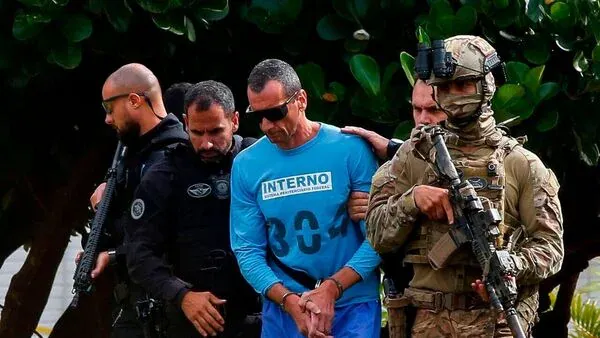
Brazilian Prison Gang PCC Expands into Global Cocaine Trafficking Network
The First Capital Command (PCC), a Brazilian prison gang founded in the 1990s, has grown into one of the world's largest criminal organizations with around 40,000 members operating in nearly 30 countries. Known for its organized structure and low-profile operations, the PCC influences global cocaine trafficking from South America to Europe and the U.S. Brazilian authorities urge the U.S. to designate the group as a Foreign Terrorist Organization amid its expanding transnational reach and involvement in violent turf wars.
Political Bias
0%100%0%
Sentiment
25%
AI Analysis
Political bias across 2 sources
● Left 0%● Center 100%● Right 0%
The articles primarily present a law enforcement and prosecutorial perspective, emphasizing the PCC's growth and criminal activities without overt political framing. They include calls from Brazilian authorities for U.S. action, reflecting governmental concerns. The coverage focuses on factual descriptions of the gang's operations and international impact, with limited representation of alternative viewpoints or responses from the PCC or other stakeholders.
Sentiment — Negative (25/100)
The tone across the articles is predominantly serious and cautionary, highlighting the PCC's expansion and associated violence. The coverage is largely negative due to the focus on criminal activities and security threats but maintains a neutral, factual style without sensationalism. There is an emphasis on the challenges posed to international law enforcement rather than emotive language.
How 2 sources covered this story
Each source's own headline, political lean, and sentiment — so you can see framing differences at a glance.
| Source | Their headline | Bias | Sentiment |
|---|---|---|---|
| hindustantimes | How a Brazilian Prison Gang Became a Global Cocaine Power | Center | Negative |
| mint | How a Brazilian prison gang became a global cocaine power Mint | Center | Negative |
Coverage timeline
mint broke this story on 21 Apr, 01:31 am. Other outlets followed.
- 1mint21 Apr, 01:31 amHow a Brazilian prison gang became a global cocaine power Mint
- 2hindustantimes21 Apr, 06:06 amHow a Brazilian Prison Gang Became a Global Cocaine Power
Lens Score breakdown
39/100
Public interest0/100
Coverage gap100%
Story is receiving appropriate media attention relative to public interest.
Accountability flags
TBN's analysis identified the following accountability dimensions in this story.
- financial irregularity
This story involves alleged financial misconduct — unexplained transactions, procurement irregularities, or misuse of public/shareholder funds.
- systemic failure
This story points to a failure in institutional processes — regulation, safety, oversight, or service delivery breaking down at scale.
- public safety issue
This story involves a risk to public safety — infrastructure failure, regulatory lapse, hazardous conditions, or emergency mishandling.
Who's involved
Institutions and figures named across source coverage.
Government
U.S. Treasury DepartmentBrazilian ProsecutorsU.S. Attorney's OfficeSão Paulo Authorities
Enforcement
PoliceState Security Officials
Story context
- Category
- Crime
- Location
- Brazil
- Sources analysed
- 2
- Last analysed
- 21 Apr 2026
- Key entities
- Pacific Coast ConferenceOrganized crimeMoney launderingPrisonCocaineBrazilDiego GonçalvesUnited States Department of the TreasuryAmazon rainforestLatin AmericaSão PauloTaubaté
Related Coverage
Select a news story to see related coverage from other media outlets.