2 hours agoCrime
34LENS
2 SourcesFlorida, United States
 thebalanced.news
Ride-Hailing Drivers Exploit AI and Psychological Tactics to Claim Fees in China and Florida
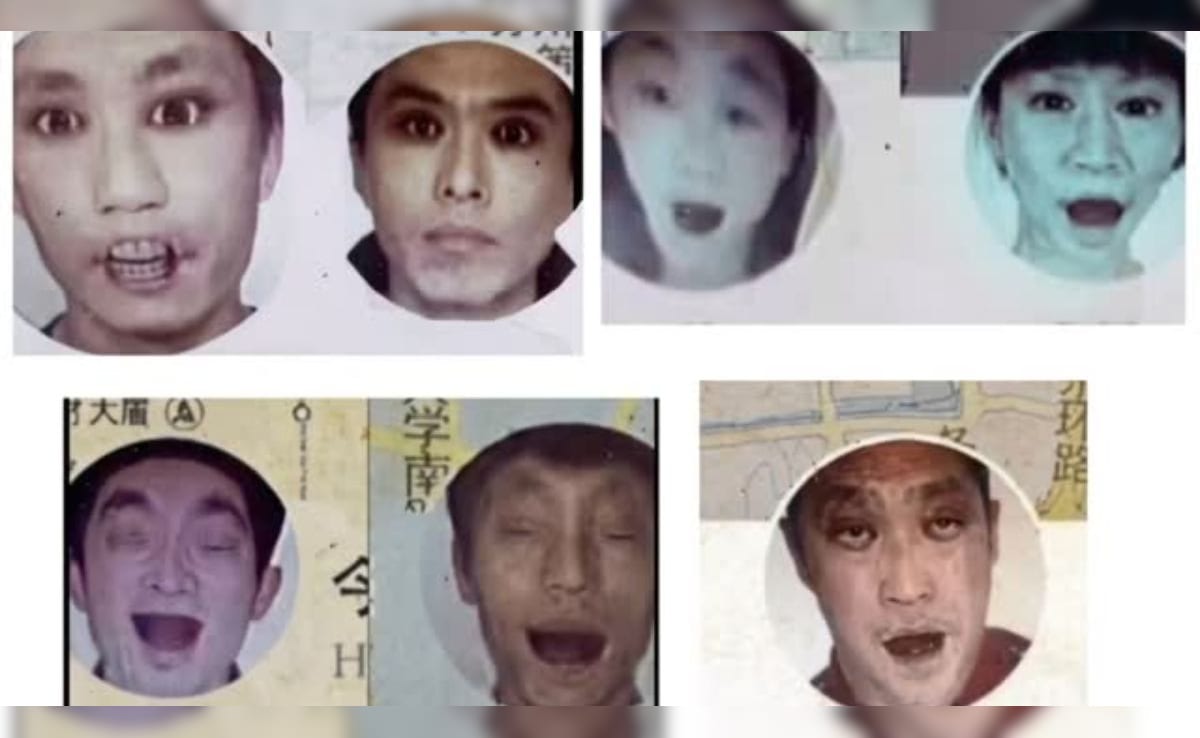
Two separate incidents highlight misuse of AI and psychological tactics in ride-hailing services. In China in 2016, some Uber drivers used disturbing profile photos to prompt passenger cancellations and collect fees without driving. In Florida, a Lyft driver allegedly submitted AI-generated images of fake car damage to claim cleaning fees from riders. Both cases reveal vulnerabilities in ride-hailing platforms exploited through technology and manipulation.
Political Bias
0%100%0%
Sentiment
38%
AI Analysis
Political bias across 2 sources
● Left 0%● Center 100%● Right 0%
The articles focus on consumer protection and technological misuse without political framing. They present incidents from different regions—China and the US—highlighting ride-hailing platform vulnerabilities. The coverage is factual and does not align with any political ideology, instead emphasizing issues of fraud and platform accountability.
Sentiment — Neutral (38/100)
The overall tone is cautionary and critical, focusing on deceptive practices by drivers exploiting system loopholes. While the incidents are negative for the companies and consumers involved, the articles maintain a neutral tone by reporting facts and including victim perspectives without sensationalism.
How 2 sources covered this story
Each source's own headline, political lean, and sentiment — so you can see framing differences at a glance.
| Source | Their headline | Bias | Sentiment |
|---|---|---|---|
| ndtv | Florida Lyft Driver Accused Of Using AI-Generated Photos To Claim Fake Damage Fees From Riders | Center | Neutral |
| ndtv | How China's 'Ghost Drivers' Scammed Uber Users With Disturbing Profile Photos | Center | Neutral |
Coverage timeline
ndtv broke this story on 20 May, 12:08 pm. Other outlets followed.
- 1ndtv20 May, 12:08 pmHow China's 'Ghost Drivers' Scammed Uber Users With Disturbing Profile Photos
- 2ndtv21 May, 02:08 amFlorida Lyft Driver Accused Of Using AI-Generated Photos To Claim Fake Damage Fees From Riders
Lens Score breakdown
34/100
Public interest0/100
Coverage gap100%
Well-covered story — coverage matches public importance.
Accountability flags
TBN's analysis identified the following accountability dimensions in this story.
- financial irregularity
This story involves alleged financial misconduct — unexplained transactions, procurement irregularities, or misuse of public/shareholder funds.
Who's involved
Institutions and figures named across source coverage.
Corporate
LyftUber
Story context
- Category
- Crime
- Location
- Florida, United States
- Sources analysed
- 2
- Last analysed
- 21 May 2026
- Key entities
- Artificial intelligenceNintendo SwitchMobile appFraudIndiaUberInstagramChinaViral videoManipulation (psychology)Ridesharing companyAvatar (computing)
Related Coverage
Select a news story to see related coverage from other media outlets.