2 hours agoEntertainment
21LENS
2 SourcesIndia
 thebalanced.news
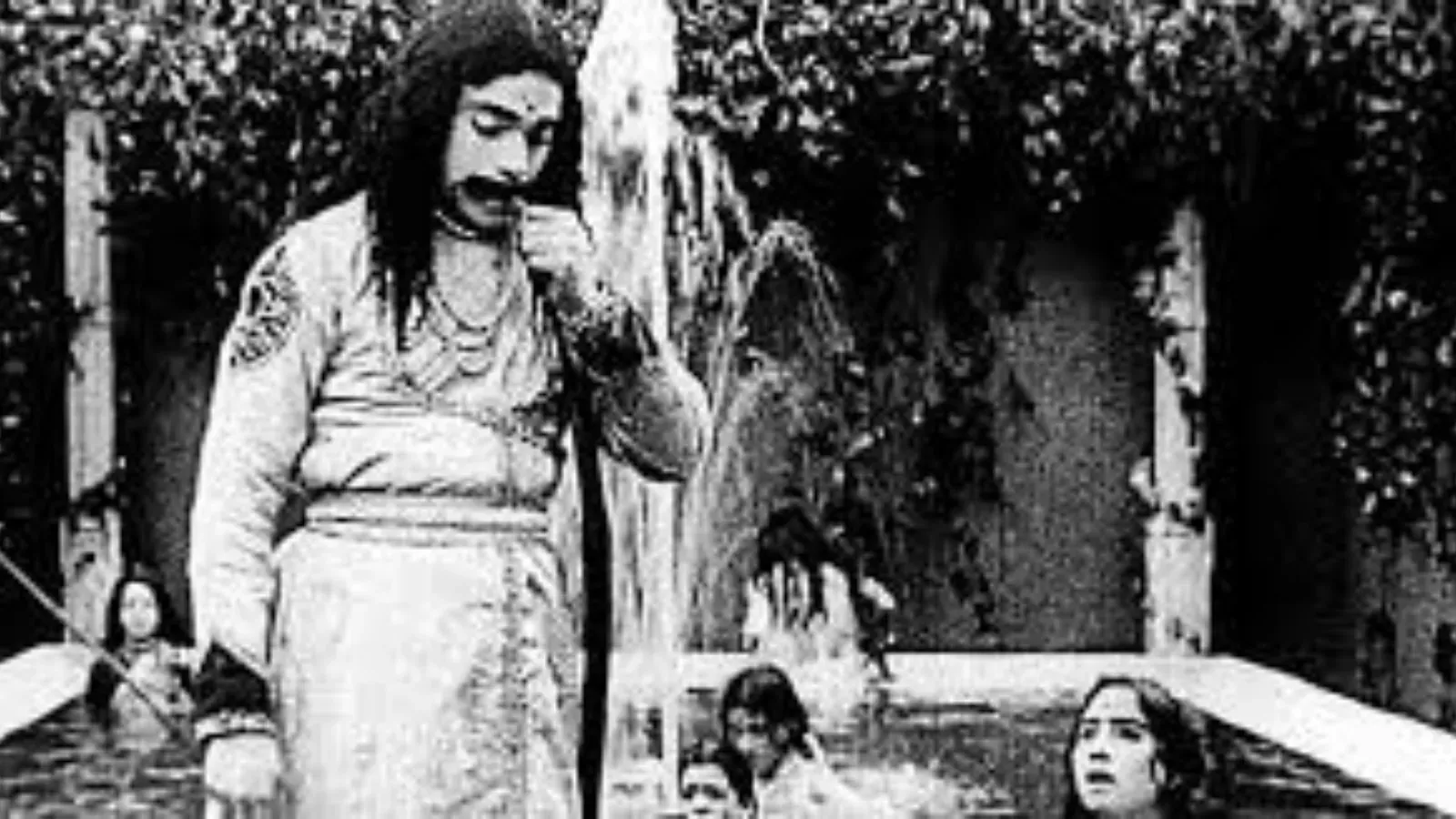
Commemorating 113 Years of Raja Harishchandra, India's First Feature Film
In 1913, Dadasaheb Phalke released Raja Harishchandra, India's first full-length feature film, overcoming financial, social, and cultural challenges including an all-male cast due to societal norms. Premiered on April 21 and publicly screened in May in Bombay, the silent film depicted the mythological King Harishchandra's story, resonating with audiences. The film's creation and Phalke's struggles were later portrayed in the 2010 Marathi film Harishchandrachi Factory, highlighting the origins of Indian cinema.
Political Bias
0%100%0%
Sentiment
80%
AI Analysis
Political bias across 2 sources
● Left 0%● Center 100%● Right 0%
The articles focus primarily on historical and cultural aspects of Indian cinema's origins, presenting Dadasaheb Phalke's efforts without political framing. They emphasize artistic and social challenges rather than political viewpoints, reflecting a neutral stance centered on cultural heritage and film history.
Sentiment — Positive (80/100)
The tone across the articles is positive and celebratory, highlighting Phalke's determination and the film's pioneering role. While acknowledging difficulties faced during production, the coverage conveys admiration for the filmmaker's vision and the film's lasting impact on Indian cinema.
How 2 sources covered this story
Each source's own headline, political lean, and sentiment — so you can see framing differences at a glance.
| Source | Their headline | Bias | Sentiment |
|---|---|---|---|
| english | Celebrating 113 Years Of India's First Motion Picture With A Marathi Film | Center | Positive |
| news18 | How Raja Harishchandra Became India's First Film Against All Odds | Center | Positive |
Coverage timeline
news18 broke this story on 21 Apr, 07:35 am. Other outlets followed.
- 1news1821 Apr, 07:35 amHow Raja Harishchandra Became India's First Film Against All Odds
- 2english21 Apr, 02:26 pmCelebrating 113 Years Of India's First Motion Picture With A Marathi Film
Lens Score breakdown
21/100
Public interest0/100
Coverage gap100%
Well-covered story — coverage matches public importance.
Story context
- Category
- Entertainment
- Location
- India
- Sources analysed
- 2
- Last analysed
- 21 Apr 2026
- Key entities
- HarishchandraDadasaheb PhalkeCinema of IndiaRajaFilmmakingFeature filmFilmIndiaMarathi languageSilent filmPhotographyMumbai
Related Coverage
Select a news story to see related coverage from other media outlets.