1 hour agoEntertainment
25LENS
2 SourcesHaryana, India
 thebalanced.news
Indian Films Highlight Rural Life Amid Urbanisation and Farming Challenges
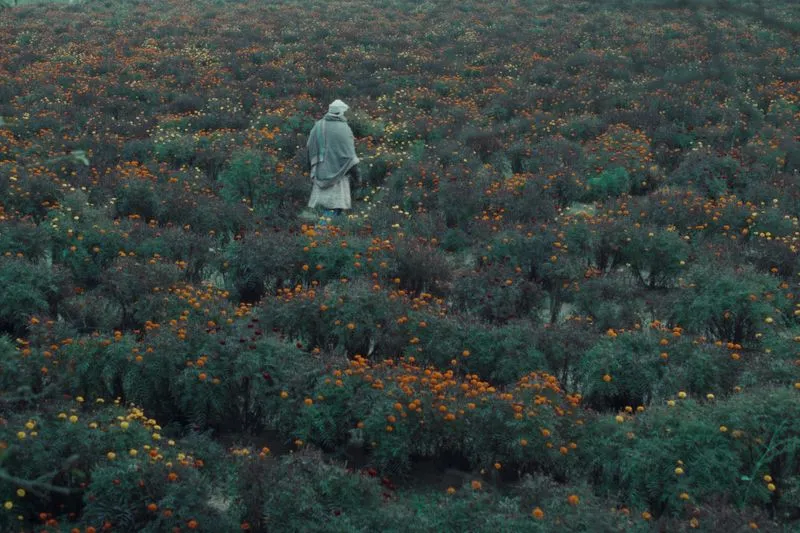
Two recent Indian films explore rural life amid social and economic changes. Ankur Hooda's 'The Calf Doll' (2026), a Haryanvi docudrama, depicts a retired teacher's attempt to comfort his grieving cow through a traditional ritual, highlighting themes of loss and urbanisation. Meanwhile, 'Room at the Farm' by Jasmine Kaur Roy and Avinash Roy focuses on a Punjabi farmer facing debt and industrialisation pressures, portraying the impact on farming communities and migration. Both films use intimate storytelling to reflect rural challenges and cultural shifts.
Political Bias
10%88%2%
Sentiment
65%
AI Analysis
Political bias across 2 sources
● Left 10%● Center 88%● Right 2%
The articles present perspectives centered on rural experiences without explicit political framing. They focus on social and economic issues like urbanisation, migration, and industrialisation affecting farming communities. The filmmakers' viewpoints emphasize cultural preservation and the hardships faced by rural populations, reflecting concerns common across political lines rather than partisan positions.
Sentiment — Neutral (65/100)
The tone across the articles is contemplative and somber, reflecting themes of loss, hardship, and change in rural India. While the films portray challenges such as debt and migration, they also convey a sense of resilience and cultural continuity. Overall, the sentiment is mixed, balancing the depiction of difficulties with nuanced human stories.
How 2 sources covered this story
Each source's own headline, political lean, and sentiment — so you can see framing differences at a glance.
| Source | Their headline | Bias | Sentiment |
|---|---|---|---|
| thetribune | Ankur Hooda's 'The Calf Doll': A rag called happiness - The Tribune | Center | Positive |
| indianexpress | Farming, Migration and Loss: Why 'Room at the Farm' Is Striking a Chord Globally | Center | Neutral |
Coverage timeline
indianexpress broke this story on 9 May, 08:02 am. Other outlets followed.
- 1indianexpress9 May, 08:02 amFarming, Migration and Loss: Why 'Room at the Farm' Is Striking a Chord Globally
- 2thetribune9 May, 11:53 pmAnkur Hooda's 'The Calf Doll': A rag called happiness - The Tribune
Lens Score breakdown
25/100
Public interest0/100
Coverage gap100%
Well-covered story — coverage matches public importance.
Story context
- Category
- Entertainment
- Location
- Haryana, India
- Sources analysed
- 2
- Last analysed
- 10 May 2026
- Key entities
- CattleFilmmakingHaryanaJeonju International Film FestivalFaridabad districtDocudramaLonelinessAlphabetUrbanizationStillbirthSocial alienationCadaver
Related Coverage
Select a news story to see related coverage from other media outlets.