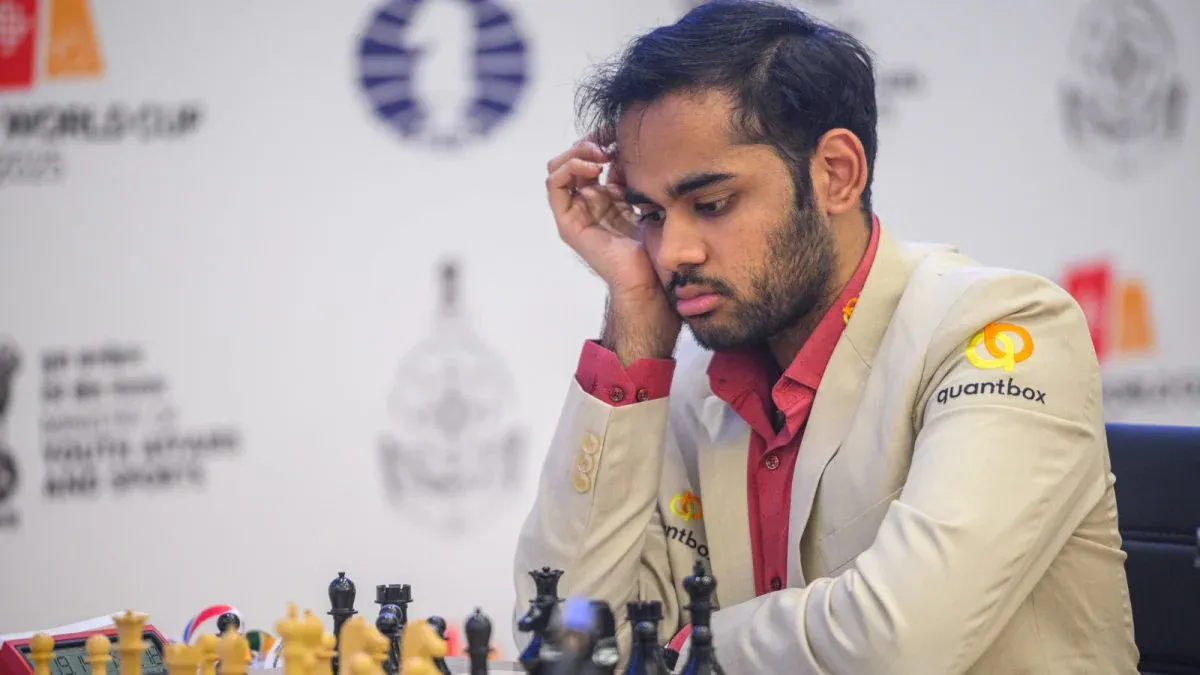
India's Chess Revolution Deserves Better Coverage
India is experiencing an unprecedented chess boom. D. Gukesh became the youngest-ever World Chess Champion. R. Praggnanandhaa reached the Candidates tournament. Arjun Erigaisi, Vidit Gujrathi, and a wave of young Indian grandmasters are dominating international tournaments. India has produced more grandmasters in the past five years than in the previous fifty combined. Yet mainstream Indian media treats chess as a niche sport, giving it a fraction of the attention reserved for cricket.
The coverage chess does receive tends to spike around major events — a World Championship match or an Olympiad — and then disappear for months. The steady stream of international tournaments, rating climbs, and developmental stories that define the chess ecosystem goes largely unreported in major outlets. For a country that is arguably the world's leading chess nation right now, this coverage gap is striking.
Why Balanced Coverage Matters for Chess
When chess does make mainstream news, the coverage often falls into familiar media patterns:
- Individual achievements are celebrated without context about the systemic support (or lack thereof) that made them possible
- AICF (All India Chess Federation) governance and funding decisions receive minimal scrutiny compared to BCCI
- Women's chess in India — which has its own strong performers like Koneru Humpy and Harika Dronavalli — gets even less coverage than men's
- The grassroots chess ecosystem, including school programs and state-level tournaments, is virtually invisible in national media
Beyond Chess: Mind Sports
This feed also tracks other mind sports with Indian significance — carrom, bridge, and e-sports — which face even greater coverage deficits. The Balanced News aggregates chess and mind sports coverage from specialist publications, international chess media, and Indian outlets to give you a comprehensive view that no single source provides.