Environmental News India Cannot Afford to Ignore
Every winter, Delhi's Air Quality Index crosses 500 — classified as "severe plus" and literally off the scale. Millions of Indians in the Indo-Gangetic plain breathe air that the WHO considers hazardous. Yet environmental coverage in Indian media follows a predictable seasonal pattern: intense reporting during November-December smog season, near-silence from March to October. This episodic coverage obscures the reality that air pollution is a year-round public health crisis, not a winter inconvenience.
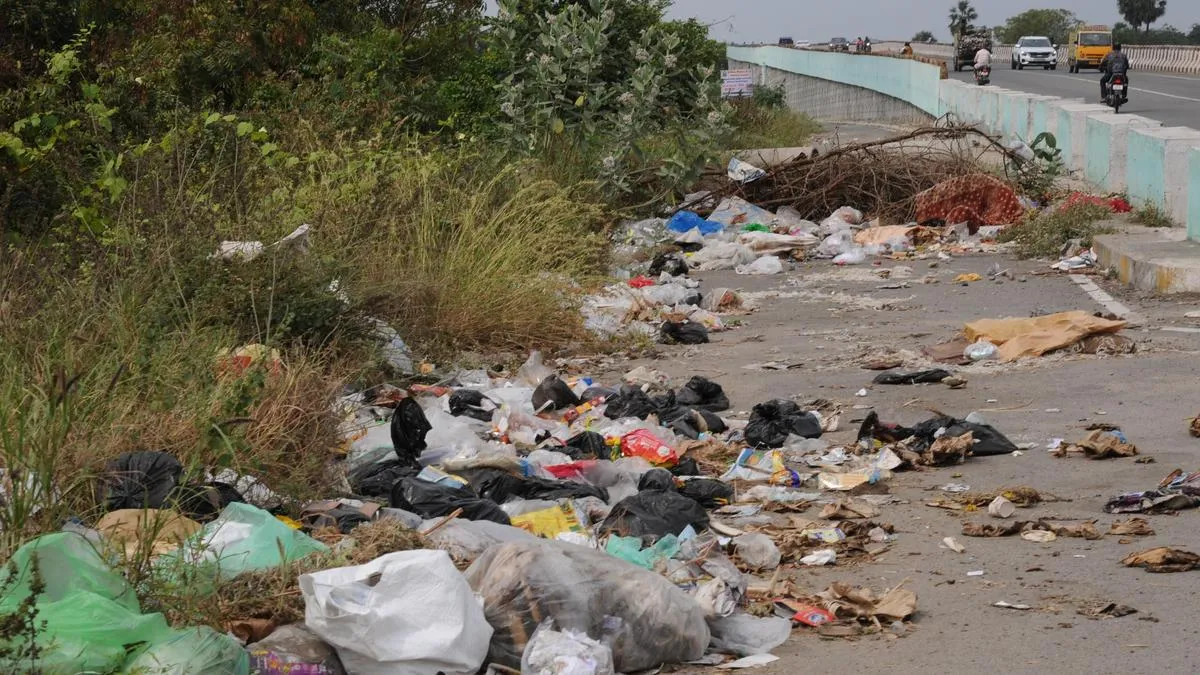
The structural problem is that environmental journalism in India is under-resourced and politically sensitive. Most major polluters — coal power plants, industrial units, construction projects, and vehicle manufacturers — are also significant advertisers and political donors. Media outlets that depend on this advertising revenue face inherent conflicts when reporting on environmental violations. The result is coverage that acknowledges pollution exists but rarely investigates who is responsible and why enforcement fails.
Climate Change: The Underreported Crisis
India is among the countries most vulnerable to climate change. Heatwaves that kill hundreds, flooding in Assam and Kerala, glacial lake outbursts in Uttarakhand, and cyclones intensifying in the Arabian Sea — these events are increasing in frequency and severity. Yet Indian media largely covers them as isolated natural disasters rather than connecting them to the systemic climate crisis. Climate science reporting requires expertise that most Indian newsrooms simply do not have.
What This Feed Monitors
- Daily air quality updates across major Indian cities with health advisories
- Climate change impacts including extreme weather, rising sea levels, and agricultural disruption
- Green initiatives including renewable energy deployment, EV adoption, and sustainable urban planning
- Environmental policy developments including National Green Tribunal orders and Paris Agreement compliance
The Climate & Pollution feed aggregates environmental reporting from mainstream outlets, specialist environmental publications, international climate media, and scientific sources. When a pollution event occurs, you see not just what happened but the deeper context of why it keeps happening — and who is responsible.