Indian Foreign Policy Through a Multi-Source Lens
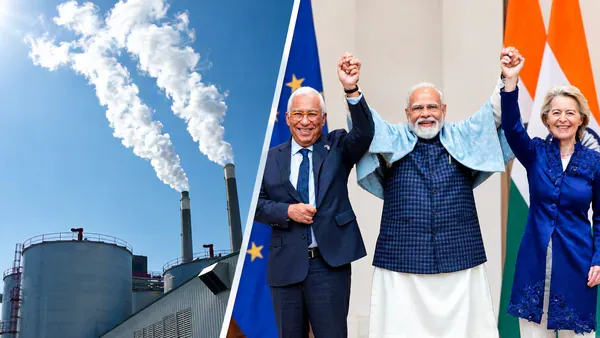
India's foreign policy under the "multi-alignment" doctrine is one of the most complex diplomatic balancing acts in the world. India simultaneously deepens strategic ties with the United States through the Quad, maintains a decades-old defence relationship with Russia, engages with China through BRICS and the SCO, and pursues leadership in the Global South. The challenge for Indian media is that this complexity does not lend itself to simple narratives — but simple narratives are exactly what most outlets deliver.
When India abstains on a UN vote regarding the Russia-Ukraine conflict, right-leaning outlets frame it as strategic independence while left-leaning publications question whether India is on the right side of history. When the Prime Minister visits Washington, domestic media overwhelmingly frames it as a diplomatic triumph, while international media offers more measured analysis of what was actually agreed upon and what was left unresolved. These framing gaps matter because foreign policy directly affects trade, security, visa regimes, and India's global standing.
The Diplomacy Coverage Deficit
Indian media devotes enormous space to domestic politics but significantly undercovers foreign affairs. Most outlets lack dedicated foreign policy correspondents, and international coverage is often reactive — triggered by state visits or crises rather than sustained analysis of evolving relationships. Nuanced developments like India's engagement with ASEAN, Africa strategy, or Arctic policy receive negligible coverage compared to the attention given to US, China, and Pakistan relations.
What This Feed Delivers
- State visits, summits, and bilateral agreements with analysis of what was actually achieved
- India's positions at the UN, G20, BRICS, SCO, and other multilateral forums
- Foreign policy impact on trade, defence procurement, and technology transfers
- India-US, India-EU, India-Russia, and India-Middle East relationship tracking
The Global Diplomacy feed brings together coverage from Indian outlets, international wire services, and foreign policy publications so you see both how India perceives its diplomatic moves and how the world responds to them. This dual perspective is essential for understanding where India actually stands on the global stage versus where domestic media says it stands.