Women in Indian News: Beyond the Crime Blotter
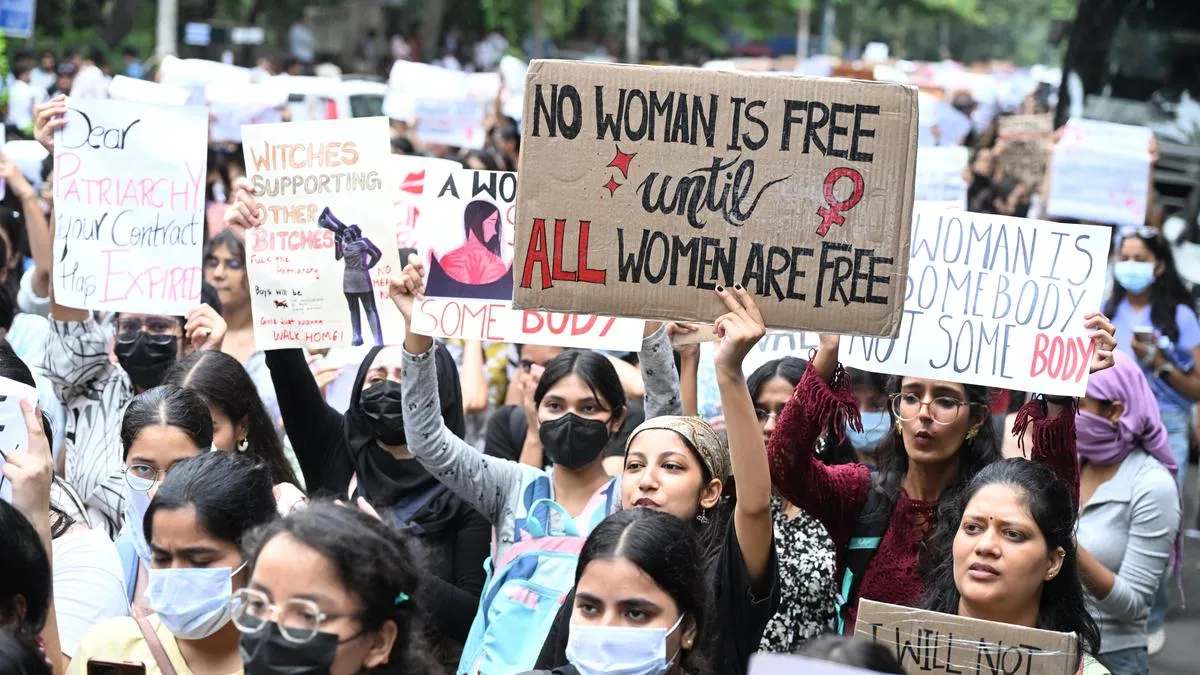
Indian media's coverage of women falls into a troubling pattern. Women appear in headlines overwhelmingly in two contexts: as victims of crime or as subjects of lifestyle content. The vast middle ground — women in leadership, women-led policy changes, grassroots women's movements, female entrepreneurs transforming rural economies — receives a fraction of the coverage. This is not just a gap in journalism. It actively shapes how society perceives women's roles and capabilities.
Consider the numbers: India had over 15 million women-owned enterprises as of the last economic survey, yet women entrepreneurs receive less than 2% of venture funding. Women farmers constitute a significant portion of agricultural labor but are largely invisible in farm policy coverage. Women make up nearly half of UPSC qualifiers but get a fraction of the media attention given to male toppers. The stories are there — the coverage is not.
The Bias in Coverage
When women's issues do make the news, the framing varies dramatically by outlet:
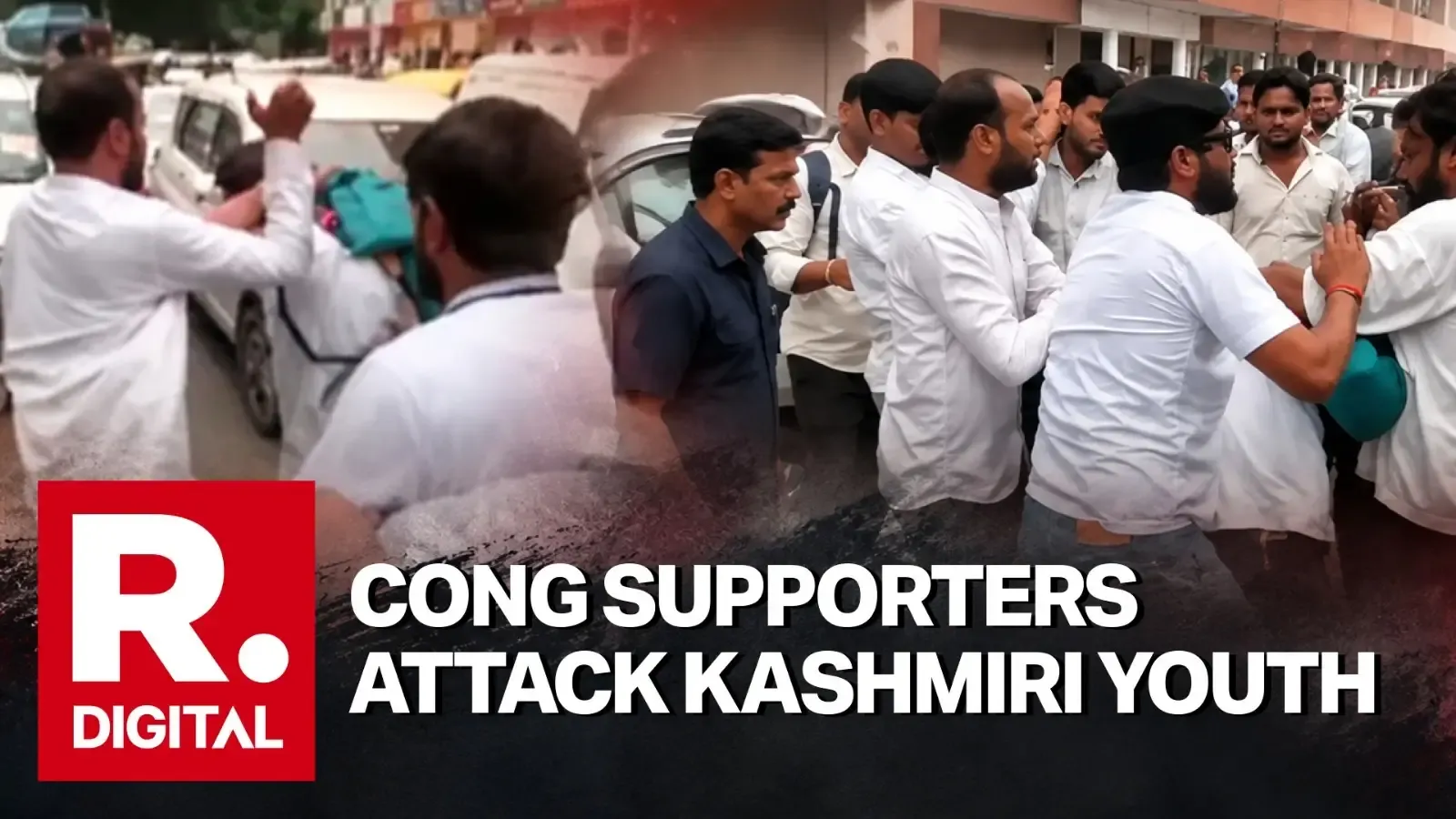
- Crime stories are often sensationalized, with victim-blaming language that persists despite editorial guidelines against it
- Policy coverage of schemes like Beti Bachao Beti Padhao or Ujjwala Yojana tends to divide along political lines rather than evaluating outcomes
- Women's safety reporting spikes after high-profile cases but drops off without follow-up on systemic changes
What the Nari Shakti Feed Offers
This feed curates coverage of women's empowerment, safety, achievements, and policy developments from across India's media landscape. By showing you how 50+ sources cover the same story about women differently, The Balanced News helps you identify when coverage is being shaped by ideology, advertiser interest, or editorial neglect rather than journalistic merit.
The goal is simple: ensure that the full spectrum of women's experiences in India — the challenges and the triumphs — gets the visibility it deserves.