1 hour agoGeneric
25LENS
2 SourcesNewfoundland (island), Canada
 thebalanced.news
L'Anse aux Meadows: Confirmed Viking Settlement in North America Dated to AD 1021
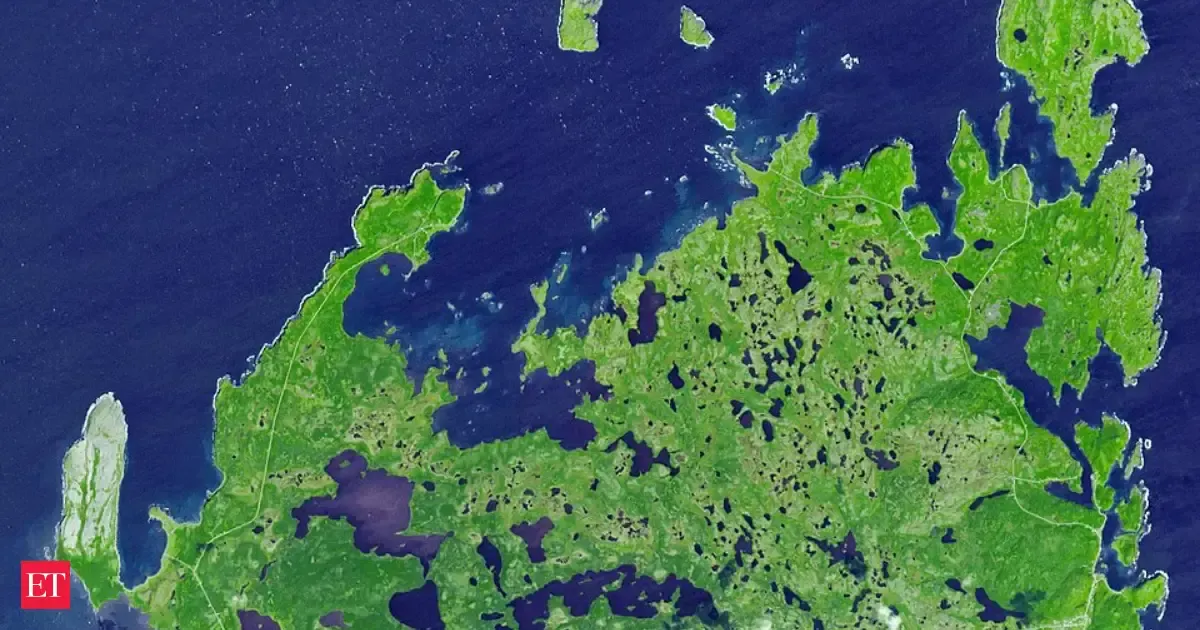
In 1960, the Ingstads discovered L'Anse aux Meadows in Newfoundland, the first confirmed Viking settlement in North America, guided by local knowledge. Recent scientific dating of wooden artifacts places the site at AD 1021, marking the earliest known European presence on the continent. The site served as a temporary base for Norse explorers, offering key evidence that Viking voyages to North America predate Columbus by centuries and clarifying the timeline of early transatlantic contact.
Political Bias
0%100%0%
Sentiment
70%
AI Analysis
Political bias across 2 sources
● Left 0%● Center 100%● Right 0%
The articles present a historical and archaeological perspective without political framing. They focus on scientific findings and historical timelines, representing academic and local viewpoints. The coverage emphasizes evidence-based conclusions about Viking exploration, avoiding political or ideological interpretations.
Sentiment — Positive (70/100)
The tone across the articles is neutral and informative, highlighting the significance of the discovery and recent dating methods. The sentiment is positive in terms of advancing historical knowledge but remains factual and restrained, avoiding sensationalism or emotional language.
How 2 sources covered this story
Each source's own headline, political lean, and sentiment — so you can see framing differences at a glance.
| Source | Their headline | Bias | Sentiment |
|---|---|---|---|
| economictimes | Why This Quiet Patch of Grass in Canada Is Rewriting the Columbus Story | Center | Neutral |
| economictimes | In 1960, Two Explorers Followed a Fisherman to a Quiet Patch of Grass in Newfoundland, A Few Low Mounds: That revealed the First Proven Viking Settlement in North America | Center | Positive |
Coverage timeline
economictimes broke this story on 4 May, 12:34 pm. Other outlets followed.
- 1economictimes4 May, 12:34 pmIn 1960, Two Explorers Followed a Fisherman to a Quiet Patch of Grass in Newfoundland, A Few Low Mounds: That revealed the First Proven Viking Settlement in North America
- 2economictimes4 May, 12:39 pmWhy This Quiet Patch of Grass in Canada Is Rewriting the Columbus Story
Lens Score breakdown
25/100
Public interest0/100
Coverage gap100%
Well-covered story — coverage matches public importance.
Story context
- Category
- Generic
- Location
- Newfoundland (island), Canada
- Sources analysed
- 2
- Last analysed
- 4 May 2026
- Key entities
- L'Anse aux MeadowsNewfoundland (island)VikingsNorth AmericaNorsemenArchaeologyFishermanMoundColumbus, OhioHuman migrationNative Americans in the United StatesExploration
Related Coverage
Select a news story to see related coverage from other media outlets.